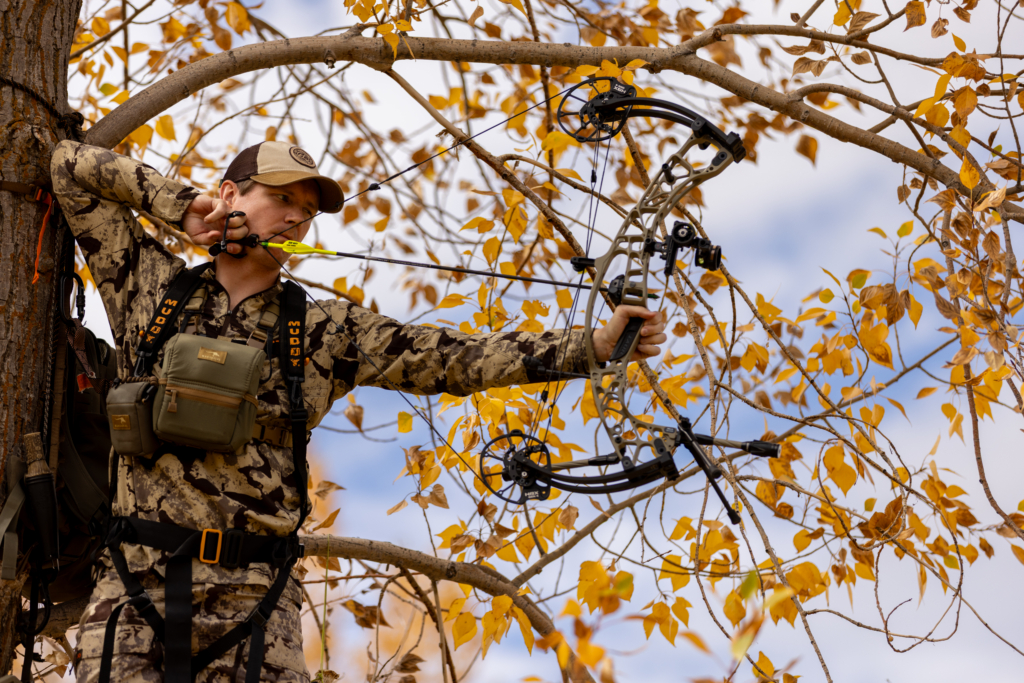
If you’re in the market for a new vertical whitetail wrecker, the class of 2026 offers four models tailor made to run carbon through the lungs of big bucks.
Bow builders typically offer flagship compounds in two axle-to-axle measurements for two reasons: personal preference and hunt style. Some bowhunters prefer a light, short compound bow thats maneuverable in treestands and ground blinds and carries well when navigating daunting terrain. Other bowhunters, and I fall into this group, want a flagship compound with an axle-to-axle measurement between 32 and 34 inches. These slightly longer, slightly heavier compound bows typically provide increased full-draw stability and produce tighter arrow groups at longer ranges. As a western dweller, the distance between my target animal tends to be longer than that of those who exclusively hunt Midwest or Eastern landscapes.
Still, the popularity of the almighty whitetail drives compound bow sales, and having extensively tested six 2026 top-tier compound bows, I’ve picked my top four vertical rigs that will appeal to the whitetail masses.
Here, in no particular order or rank, are the best bows for a whitetail hunter looking for a new-for-the-year flagship compound bow.
Hoyt Alpha AX-3 29
The third generation of the Alpha line, Hoyt crafted a pair of 2026 aluminum flagships: the AX-3 29 and AX-3 33. Though I’ve spent the majority of my time behind the longer riser model, those who spend their entire season hunting white-tailed deer should consider the shorter 29-1/2-inch axle-to-axle compound.
Why?
The AX-3 29 is compact and relatively light, offering a forgiving 6-3/8-inch brace height and excellent arrow speed. The AX-3 29 pushed my heavy 467-grain Easton 5MM FMJ Max to 285 fps, generating more than 84 foot-pounds of kinetic energy. When hunting whiteail, my max shooting distance is 50 yards. I’ve seen the chest of on-alert bucks and does hit the ground before an arrow’s arrival, and the combination of the AX-3 29’s ultra-quiet shot, married with a heavy arrow, reduces overall noise.
Hoyt added an on-the-bow XTS Tuning System that corrects vertical and horizontal nock tears up to one-inch using an Allen wrench. Hoyt still allows for spacer tuning, but I tuned the AX-3 29 and AX-3 33 using nothing but the XTS Tuning System. It is the best on-bow tuning system available.
Both Hoyt bows I’ve tested this year arrived more than a tick hot in the draw weight category. My 70-pound AX-3 29 read 73.45 pounds on my digital draw scale. If your poundage feels heavy, check it and then lower it. Set at 70 pounds and a draw weight of 29 inches, the string comes back smooth, the draw weight builds evenly, and the transition to let-off is gentle. The backwall feels great. You can pull hard into the wall, feel a bit of give, and really execute strong shots. Best of all, if you weaken at all, the HBX Gen 4 cam system won’t jerk you into the shot. On those super calm days when the woods are quiet and deer key on any noise, a silk-like draw is paramount.
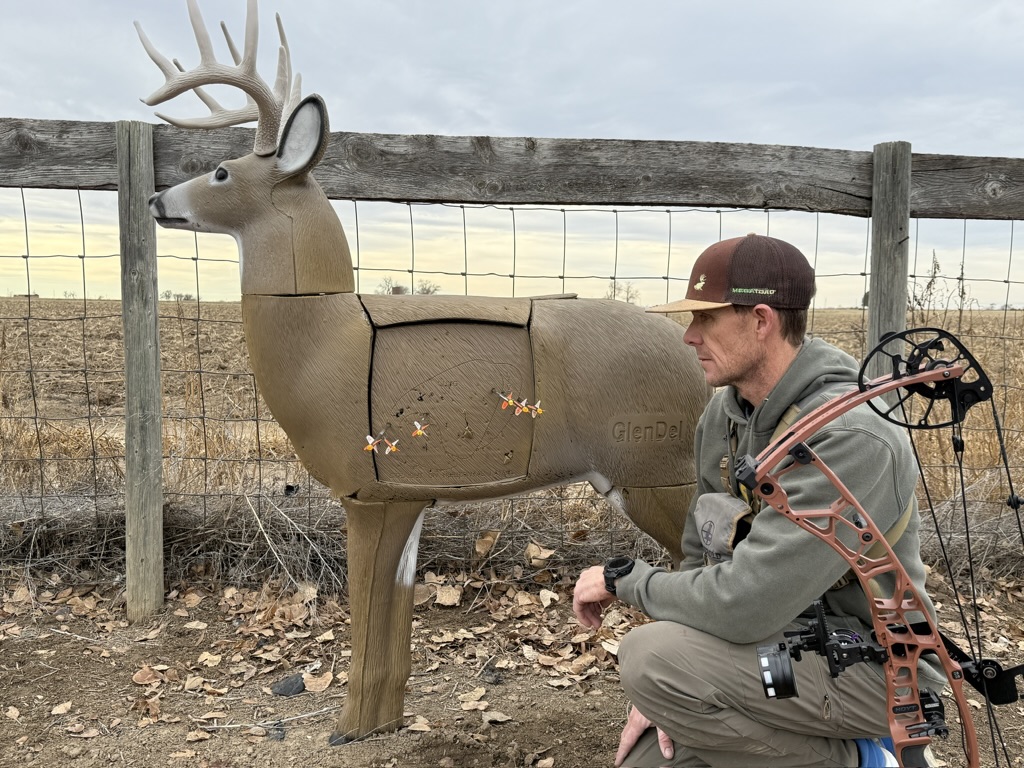
The Alpha AX-3 29 promises shot-to-shot consistency, and though it doesn’t group as well at distance as its longer axle-to-axle brother, it’s hyper-accurate at typical whitetail distances.
Prime Divide 33
Prime offers its new-for-2026 Divide in a shorter 31-inch axle-to-axle model, but I can’t place a bigger stamp of whitetail approval on the Divide 33. Do yourself a favor and choose the 7-inch brace height Divide 33 as your whitetail go-to. Naturally, you lose some speed, but the draw cycle of this bow set at 70 pounds feels like 55—I’m not exaggerating—and the 7-inch brace height provides an undeniable sense of forgiveness. You can also select between standard and performance mods. Go with the standard mods. Forget about adding 9 feet per second; keep your whitetail rig quiet, vibration-free, and insanely accurate.
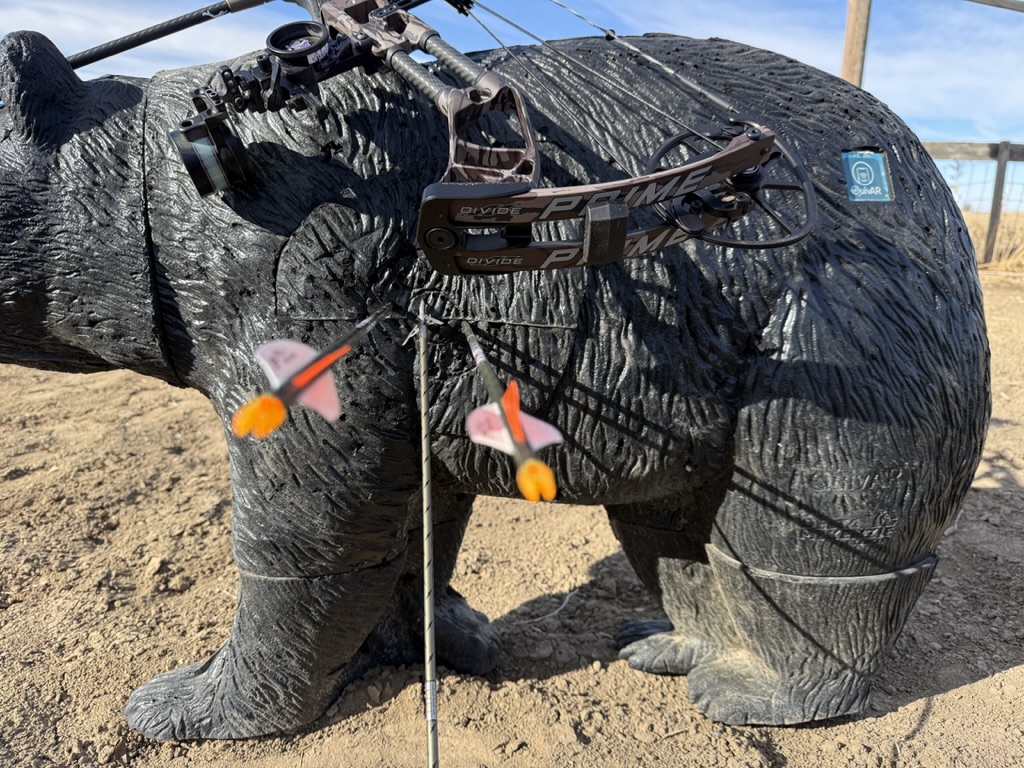
Prime engineers created a few more strategic cutouts, but overall, the Divide’s aluminum/carbon riser blend mirrors that of the 2025 Form. Prime calls it Advanced Structure Technology and claims the technology reduces flex at full draw. I’m not an engineer, but I’d say AST works like a charm. The Divide 33 gets you on target quickly and is one of the best aiming, most accurate bows I’ve ever shot.
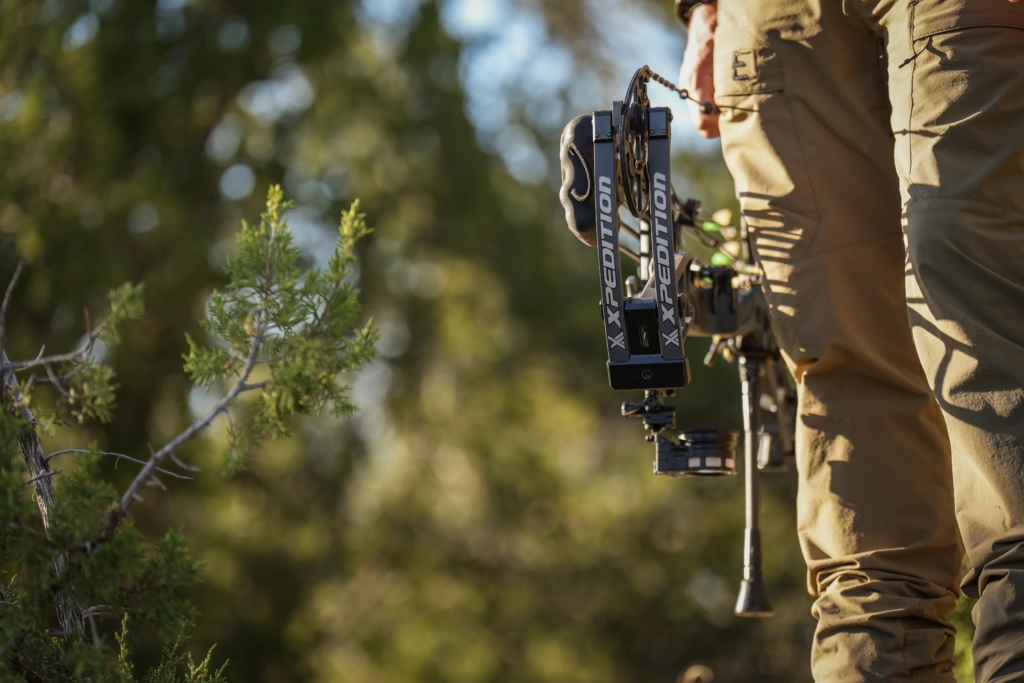
Speed takes a dip, but the post-shot noise is zero, and you’ll appreciate the shot-to-shot consistency. I highly recommend not shooting groups at 30 yards or less with the Divide 33 unless you have money to burn on arrows. Another whitetail-worthy feature that’s a must-mention is Prime’s Nano Grip, which feels great in the hand. Made with Aerogel technology, the Nano Grip is warm to the touch, even when outside temperatures are dismal.
Xpedition NexLite 30
Xpedition’s NexLite 33 is one of my all-time favorite bows, but if you’re a run-and-gun public land whitetail hunter, you’ll want to opt for the 30-inch axle-to-axle NexLite 30. Without accessories, this 6.375-inch brace height compound bow weighs just 3.6 pounds. The lightest compound bow on the market, the NexLite 30 offers a straighter, less reflexed riser than last year’s XLite 29, and I’m a fan of the customization the 1/4-inch draw length adjustment the all-new NXB Cam System provides.
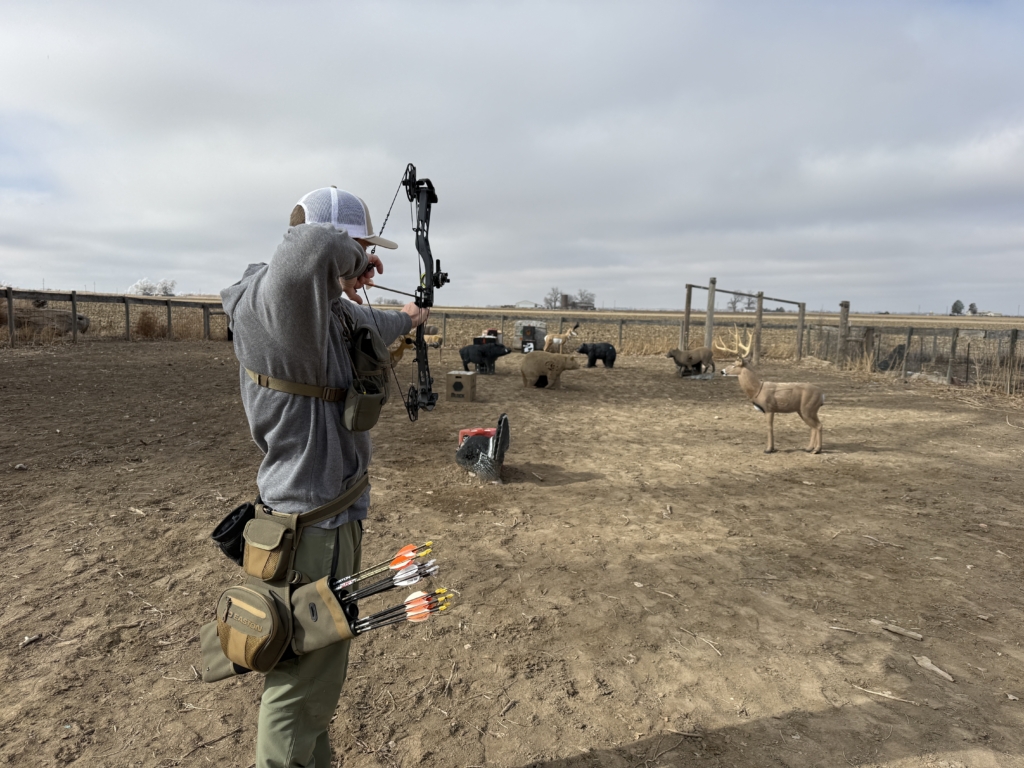
A smooth-drawing cam system that works with the riser and slimmer, shorter XLok Pocket Limbs, the NXB Cam is a three-modular system that features a no-shine, more protective Cerakote finish. The adjustable-for-let-off cable stops provide the best backwall feel in this year’s crop of compound bows, and though not a flamethrower, the NexLite bows put arrows behind the pin. I love the feel the cable-stops provide. The valley is exceptional—not too stiff and not too spongy—and the bow lets you execute strong shots.
The Magnite riser, with strategic cutouts and redesigned limbs, reduces weight and reduces post-shot noise and vibration. For a short axle-to-axle compound, the NexLite 30 holds extremely well. The draw cycle is butter, one you can start, pause to see if that doe is looking up at you, and then finish. This is one of the best drawing compound bows in this year’s class.
Perhaps my favorite NexLite feature, the new XLok Grip, is remarkable. A thin, flat-backed grip that promotes repeatable hand placement that leads to torque-free shot-to-shot consistency, the full-wrap rubber overmold feels great, and is ideal for all of Mother Nature’s moods.
Mathews ARC 30
Another under-four-pound flagship, the 6-inch brace height ARC 30 with SWX-2 cam is a flamethrower. The second fastest bow in this year’s class, the ARC 30 with a 70-pound draw weight and 29-inch draw length, sent my 467-grain Easton 5MM FMJ at 295 feet per second. Do the math, and the ARC 30/Easton combo hits with over 90 foot pounds of kinetic energy. This compound bow will blow through deer like a hot knife going through butter. Not to mention that a faster bow does allow for some yardage error, and I don’t believe deer between 20 and 30 yards will be able to duck an ARC 30- powered arrow.
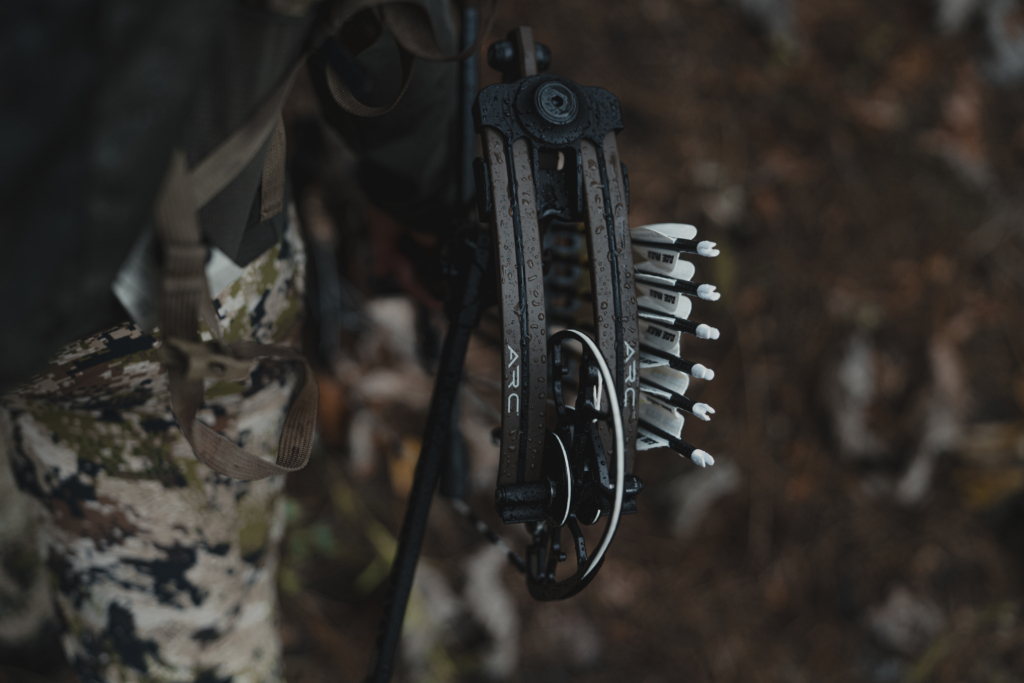
Typically, speed comes with sacrifice. The good news is that the sacrifice isn’ a loud, twangy bow. The ARC platform remains quiet after the shot, and the hand-shock is zero. The compound bow puts arrows behind the pin and will make a great whitetail-hunting partner.
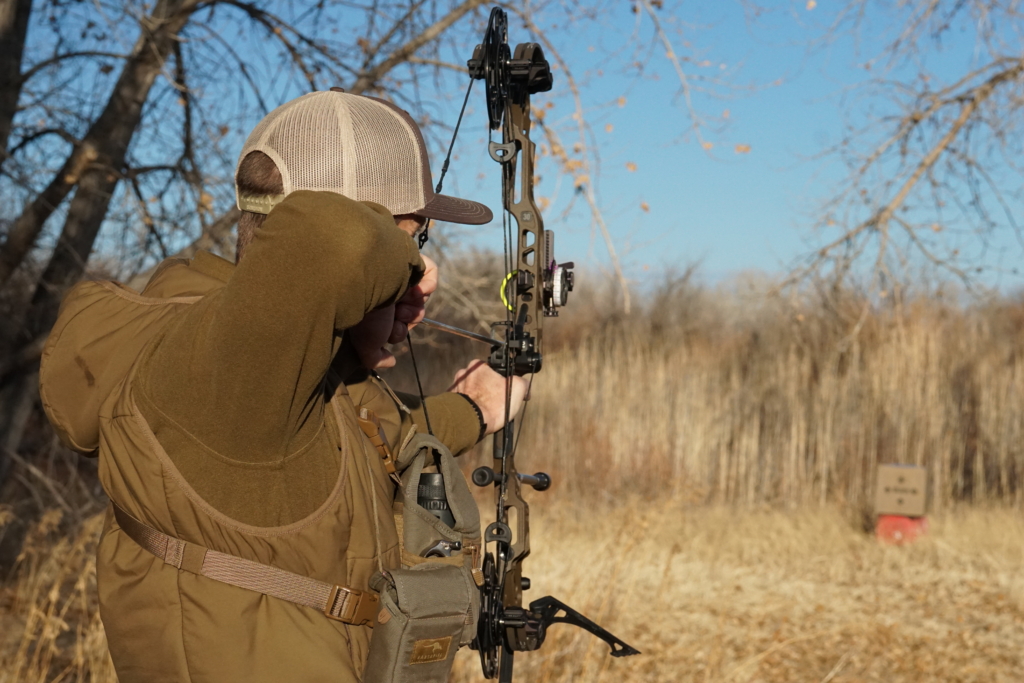
Something whitetail hunters will want to consider, however, is the bow’s draw cycle and back-wall feel. The draw-force curve is a bit stiff; you feel the weight throughout, and I felt the cycle created some humps and valleys. At full draw, if you don’t remain totally strong in the front and back, the SWX-2 cams will pull you into the shot before you’re ready. I also think it would be beneficial to drop your draw length by 1/2-inch if you stay with the SWX-2 cams. Another option, and one I would recommend from the get-go, is to purchase your new ARC 30 with the SWX-Z Mod. This new mod offers a more generous draw-force curve but doesn’t give away all of the bow’s speed.
Final Thoughts
This is the most impressive class of compound bows that I’ve ever tested, and any of the four flagships in this article will help your whitetail dreams come true. Be sure to outfit your flagship compound with top-end accessories. Every bow in this article was tested with Spot-Hogg sights, QAD rests, and Cutter Stabilizers.