Avoid these five early-season elk mishaps, and you’ll up your chances of an elk encounter. Here they are.
by Jace Bauserman
I’m a bit of a romantic when it comes to chasing elk with my bow. Don’t get me wrong, my end goal is to puncture a bull’s lungs with a razor-sharp broadhead, but as I’ve grown older and spent more time in elk country, I’ve fallen deeper in love with the process. Yes, this is a website dedicated to hunting and shooting, not a Jane Austin novel, but hear me out.
When I was in my 20s, no peak was too far. I would run the mountains from sunup to sundown, sleep where I ended up, and typically, after 10 or 12 days, would kill a bull. During those 10 to 12 days, though, I’d spook a dozen bulls. My early 30s weren’t much different. I kept in top physical shape, and the goal was to suffer until a bull hit the ground. I never stopped to smell the roses, look at the landscape, appreciate where I was and what I was doing.
In my late 30s, as good of shape as I was in, the daily grind that is bowhunting elk got more difficult. One hunt wore me ragged, and on one particular morning, I was late to the party. I’d lived and still live by the creed: Never miss a morning. However, on this day, when my eyes popped open, beams of light were cutting through my tent.
I was furious. A bull was bugling on the ridge just above me—the ridge I’d planned to be at before shooting light. The thermals were pulling down, and light frost covered the ground. Everything was perfect, minus the fact that I wasn’t there.
By the time I reached the ridge, the bull was doing what bulls with cows do. He was moving them up the mountain to heavy bedding cover. Normally, I would’ve given chase. On this day, I didn’t. Instead, I kept the wind and thermals in my favor, stayed 300 yards from the herd, and paralleled them up the mountain. A few deep groans told me the bull had bedded.
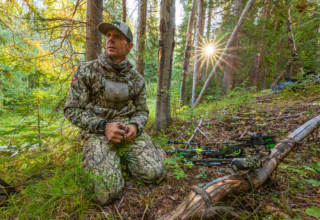
I plopped down, made a Mountain House and a cup of coffee, and studied my digital mapping system. Occasionally, the bull would bugle from his bed, raising the hair on my arms. The boiling-hot coffee met the cold mountain air, creating a steady white vapor.
As I looked over my HuntStand app, the heavy smell of pine mixed with the stank of rutting elk burned my nostrils. In that moment, something changed in me. For the longest time, the only thing that mattered was arrowing a bull. That hasn’t changed. What has changed is I now take time to stop and smell the roses, enjoy a crackling fire, and go into town after three days for a shower and a hot meal.
Some call it getting soft; I call it getting smart. I’m killing more elk with archery tackle than ever because I SLOWED DOWN! I stopped making the same bonehead mistakes again. Hunting smarter rewarded me more often than hunting harder.
Here are some of the mistakes I made a lot during early September. Slow down, avoid these mistakes, and you encounter more elk.
Don’t Go Bow Hiking Through Dark Timber
Most elk hunters consider the first eight days of season to be the “early season.” During this timeframe, herd bulls are gathering harems and satellite bulls are feeling out the pecking order. Vocality, depending on the weather and the number of bulls in an area, is typically limited to the first few hours of the morning and last few hours of the evening. Elk can be in high- or low-elevation locales depending on the landscape, and food, water, and north-facing bedding cover tend to be the priority. Though all hell could break loose at any time, the elk rut is not in full swing.
The first eight days of September are some of my favorites. It’s a great time to call in a herd bull who hasn’t gathered cows but is actively looking. Plus, satellite bulls will investigate your calls. However, this week calls for ultra-smart hunting. You need to slow down, pay attention, and execute your hunt efficiently in your area.
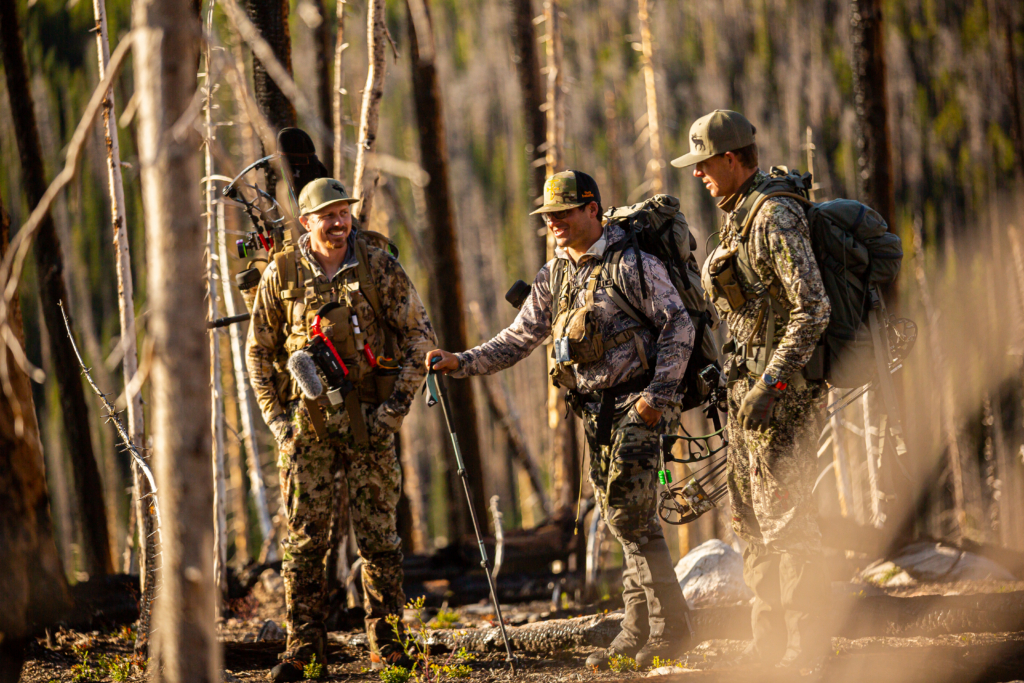
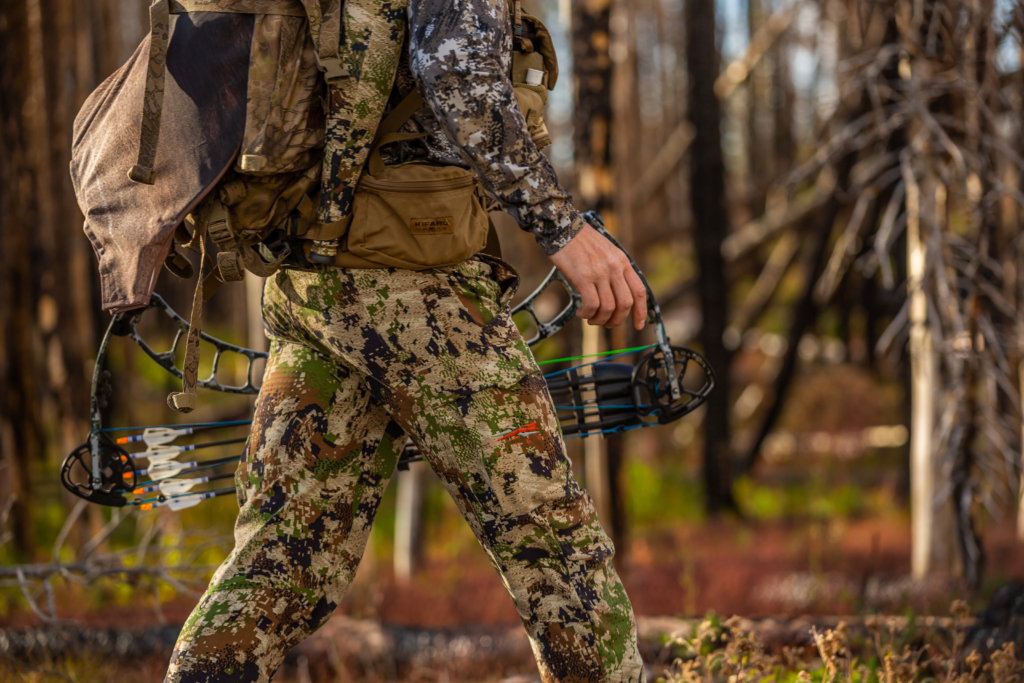
One of the ways you do this is by not walking through dark timber when elk aren’t talking. Unless you know exactly where the elk are bedded or you have a bull going, bow-hiking through dark timber patches is a terrible idea. I spent 15 years doing this, and all it ever caused was frustration. Elk are often in the timber you’re walking through, and they see and hear you long before you see them. Those elk bust and blow out and break timber for a mile. Most of the time, these elk move a very long way. These are elk you could’ve hunted.
Whether you’re hunting high country or low country, pin numerous vantage points that allow you to glass large areas of elk habitat. These need to be vantage points you can access without bumping elk to get to them. When you’re pinning glassing points on your app, think of the importance of entrance and exit when whitetail hunting and apply those strategies to your elk hunt.
If You Blind Call, Stay Ready
The first bull elk I ever called in was a heavy 5×5. The date was September 2, and when I sat down to start calling, my watch read 9:40 a.m. I hadn’t heard or seen any elk while glassing that morning, but had found two piles of green, greasy poop just above a timber patch. I moved just inside the timber and started calling.
This is called blind calling. You’re calling to elk you think may be within earshot of your calls, but you don’t know for sure. I typically only blind call during the first eight days of September. After that, I chase bugles.
I can’t tell you what sounds or sequence I used on that first blind-calling set. Apparently, calf distress sounds are the rage these days. That’s fine. I don’t mind some calf talk, but I’m not sold on calf distress sounds when hunting pressured public-land elk. Plus, this article isn’t about how to call elk. Develop a system that works for you. I tend to use a lot of light cow/calf chatter when blind calling. That’s just my way. Use your way.
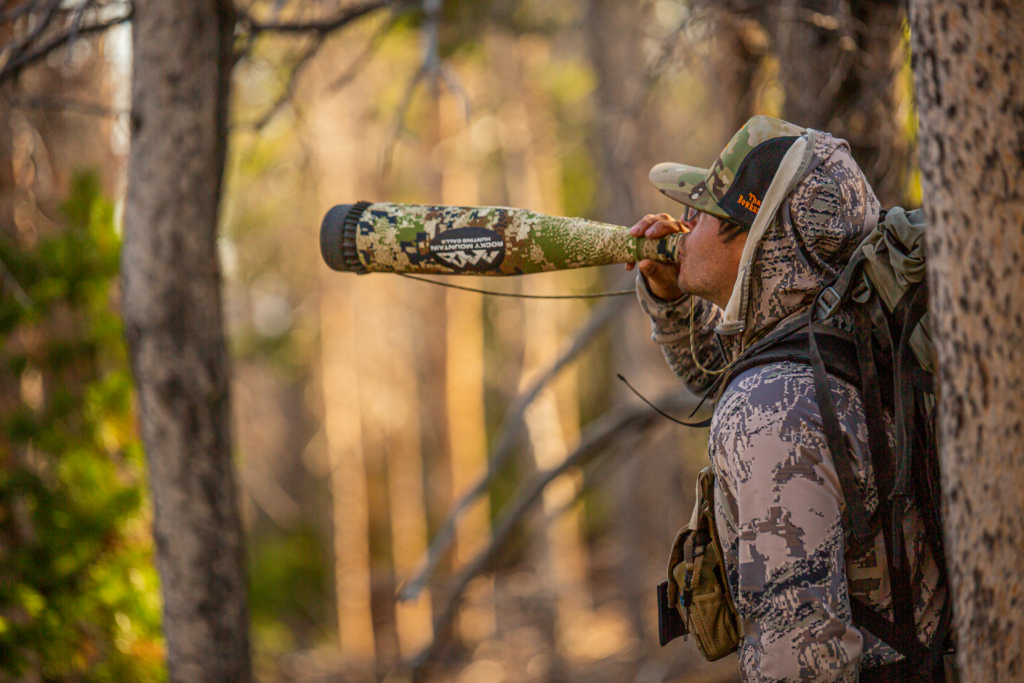
The main point when blind calling is to make sure you have plenty of shooting lanes and can kill the bull when he hits his hang-up spots. The hang-up spots are those locations where a bull will likely show up and know he should see a cow. You’re not in a hurry when blind calling. It’s not like a bull is screaming and you need to dive in front of a tree and start calling right away. Take your time. Pick the spot and be sure to range every possible hang-up spot and be sure you can shoot to those spots.
Unless a bull is out of his mind rut crazy, he will stop and look around when he gets to a location where he knows, not thinks, but knows, he should see the cow or bull he heard. A bull will stand in a hang-up spot for a moment, walk around a little from side-to-side, and leave. Be sure you can shoot to the hang-up spots.
That first 5×5 bull elk I called in, and every other besides him but one, has come in silently during my blind calling sessions. You must remain focused. Your bow should be in your hand or sitting on bow sticks within reach. The wind and thermals should be in your face, and you should constantly scan with your eyes and listen intently. Most of the time, I hear a stick snap, horns bump a tree, or hooves clack a rock before I see a bull.
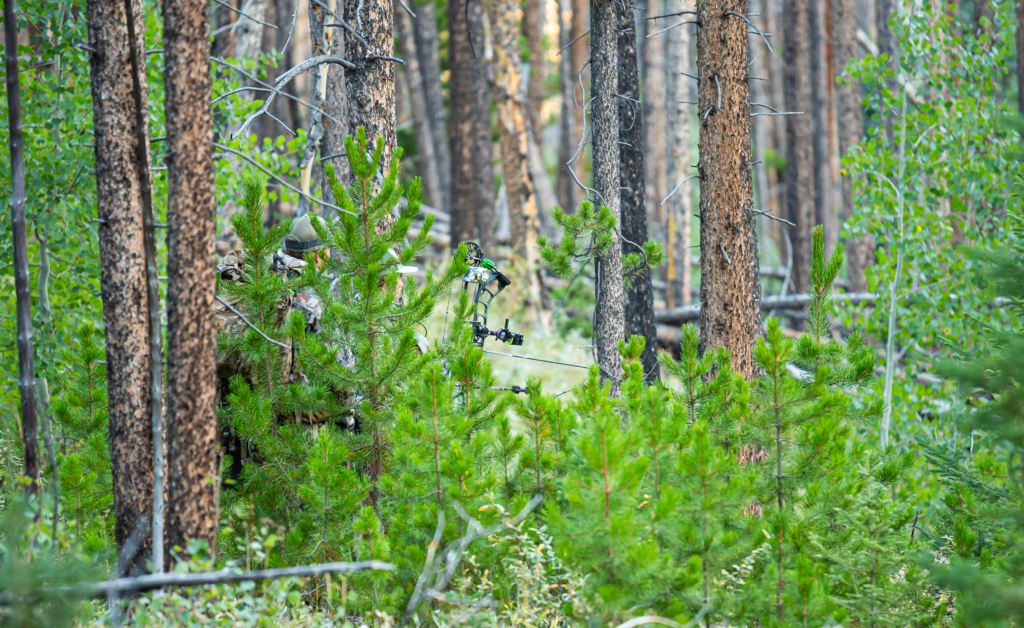
Sadly, that first 5×5 busted me. I’d been calling for 25 minutes, and I was disengaged. Suddenly, I looked up from the stick I was playing with, and the bull was standing 32 yards away looking at me. Non-vocal elk typically come slow and silent. Be sure to commit to the calling sequence for at least 30 minutes.
Understand Wind & Thermals
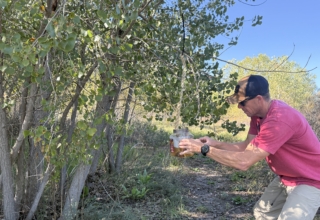
You can’t beat an elk’s nose. It’s just not possible. Still, every year while hunting public land, I watch desperate bowhunters make a play on elk when the wind or thermals are not in their favor. Then I watch elk blow out hundreds of yards ahead of the hunters and run, and run, and run some more. If the wind is wrong, make a different play or show patience and wait for the wind to get right. If a bull is below your position and the thermals are going downhill, wait for warmer air to drag those thermals up. During a week-long elk hunt, I typically go through three bottles of wind checker powder.
Don’t Beat A Dead Horse
I’m an ultramarathon runner. When I’m training during the summer, I train early in the morning or late in the afternoon to avoid the heat. Elk are no different. Massive ungulates, elk overheat easily, which is why when temps are hot during September’s first week, rut activity slows to a halt around 10 a.m. and doesn’t pick back up until around 4 p.m. Don’t kill yourself walking miles searching for elk during this time. Save your energy for when you really need it, and if you hunt smart, you will need it at some point during your early-September elk venture.
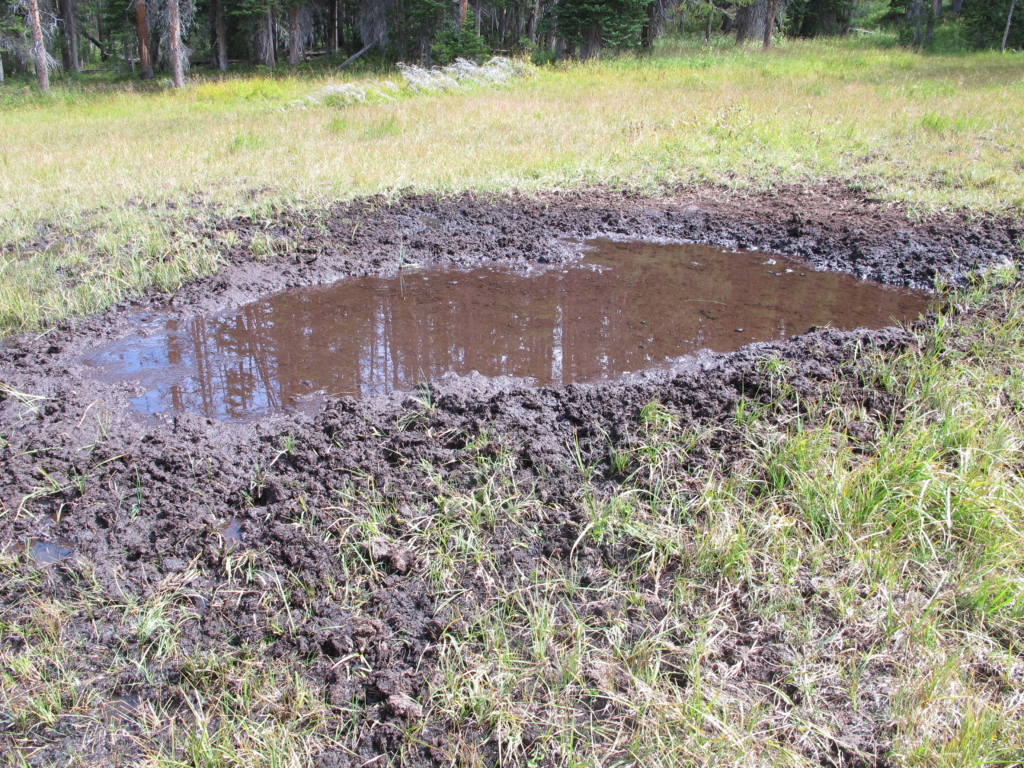
If I’m hunting the first week of September and don’t have anything going by 10 a.m., I stop, eat, and jump on my digital map app. I always pin elky water sources and have hunted many of my elk areas long enough to know where elk like to drink when it gets hot. Instead of walking around the woods bumping elk, get the wind in your favor and spend the midday hours over water. Though elk tend to drink in the evening, I’ve had some great early-September luck sitting an elk watering hole during the midday hours.
Stop Hugging The Shoulder
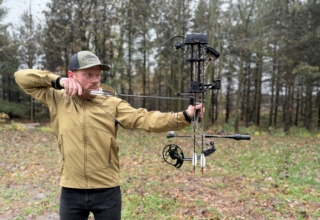
Elk are big. Even a raghorn bull will weigh north of 500 pounds and have lungs that are 18-24 inches across the thoracic chest. A bowhunter should never hit a broadside bull on the point of the shoulder. I don’t care if you’re pulling 90 pounds and sending a 600-plus-grain arrow with a razor-sharp fixed blade. If you hit a bull in the shoulder, your arrow will not penetrate it.
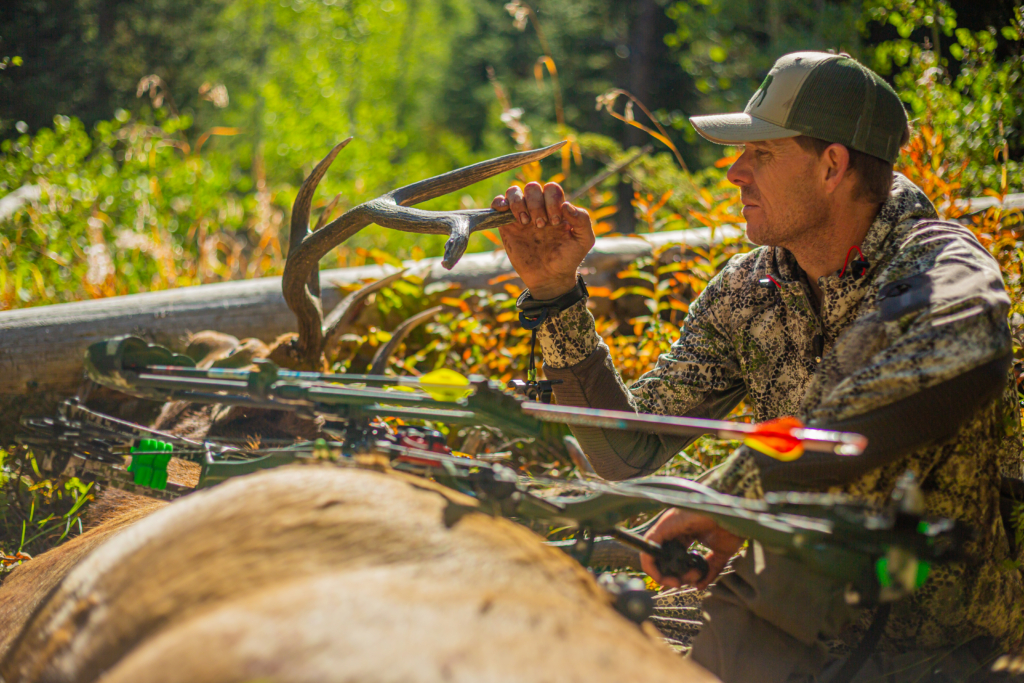
I’m not throwing stones. I’ve shot two bulls in the shoulder, and I still think about those two shots often. Both bulls lived. Penetration was less than three inches. My rule of thumb when I take a shot on a mostly broadside bull is to put my pin on the crease, where the front leg runs up into the chest, and move back off that crease three to five inches. Why gamble? Miss by three inches forward and you’re still in the crease. Miss back off your point of aim by three inches, and you’re in the back of the lungs.
Final Thoughts
Successful elk hunting hinges on avoiding common mistakes that can derail your efforts. First, don’t rush through dark timber without knowing where elk are located; instead, take time to scout vantage points that allow for effective glassing. When blind calling, ensure you’re ready—stay alert and range potential shooting spots. Mastering wind and thermals is crucial; never chase elk when the wind’s against you. Additionally, during midday heat, conserve your energy rather than aimlessly wandering, focusing instead on water sources. Lastly, always be mindful of shot placement. Aim for the crease behind the shoulder to ensure effective penetration. By recognizing and rectifying these pitfalls, hunting becomes not just about the thrill of the chase but also about strategic planning and patience, leading to more rewarding encounters in the elk woods.