When season starts, practice doesn’t stop. Use small targets, build a routine, and practice year-round to ensure consistent success.
by Jace Bauserman
Practice matters. That’s no secret. Regardless of the discipline, we are taught from a young age that the more we practice, the better we get. There’s truth to this. However, I remember that as a kid, I practiced the sport I was playing. I was a multi-sport athlete. When it was baseball season, I practiced baseball. When it was basketball season, I practiced basketball. My biggest problem: I didn’t do much practice out of season.
Bowhunting is different. Most bowhunters I know, me included, practice a lot during the offseason. Once we start hunting, we don’t have as much time to practice. When we have time, we hunt. Some of us don’t practice at all. I learned years ago that not practicing during season is one of the biggest mistakes bowhunters make.
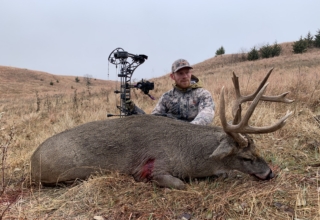
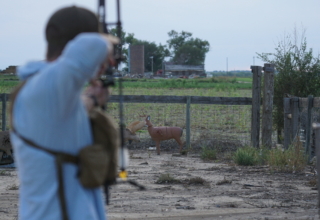
Just last week, while hunting in Oklahoma, my buddy took the time to send a handful of arrows before heading out on the third evening of his hunt. I was fortunate enough to tag out on the first evening. I decided to shoot with him. He took his first shot from 30 yards and missed the entire foam target. He’s a great shot. I was dumbfounded. After inspecting the bow, we learned his 30-yard pin had come loose from the housing and dropped down. Had he not taken a few practice shots, he wouldn’t have aced his buck from 28.3 yards that evening.
After we recognized the problem and adjusted the pin, he sat in a chair for 15 minutes and sunk Easton after Easton into a smaller foam 3-D target from 28.5 yards.
Feeder hunting is common practice in Oklahoma, and my buddy knew the distance from his Ameristep blind to the MegaToad Outdoors 55M1 Feeder was 28.5 yards. I remember him taking his final shot from a seated position and saying, “If that buck comes out, he’s in trouble.” That’s confidence. He took the time to replicate the evening scenario as best as you could. He shot seated instead of standing, and worked on his grip, draw, and execution.
Confidence Is Everything
I was a decent basketball player. The best part of my game was my free throws. I could get downhill, get a foul, and get to the line. I practiced free throws a lot, so I had a lot of confidence, even in high-pressure situations.
Bowhunters, me included, are liars. I’ve punched more shots on big-game animals than I care to admit. Then, I’d lie. I’d tell my friends that I didn’t know what happened. That I aimed and aimed. In truth, my pin hit hide, and I sent carbon. I wasn’t confident. I hoped to hit animals in the right spot. That is the opposite of confidence.
I’ve been bowhunting for 24 years. Eight years ago, I learned that confidence is everything in bowhunting. Today, I don’t hope to hit an animal; I expect to. In fact, I don’t just expect to hit the animal; I expect my arrow to hit behind a pin, sitting where I want it to be, as I pull through my hinge.
How do you get confident?
You shoot. However, you don’t shoot just to shoot. I treat every single arrow, all year long, like it matters. Every arrow I shoot has a purpose. I used to shoot over 100 arrows every day. Some days, I shot in the headlights of my vehicle because daylight expired. Eighty percent of those arrows were shot mindlessly. I wasn’t focused. I didn’t repeat my process. Frankly, I didn’t have a process.
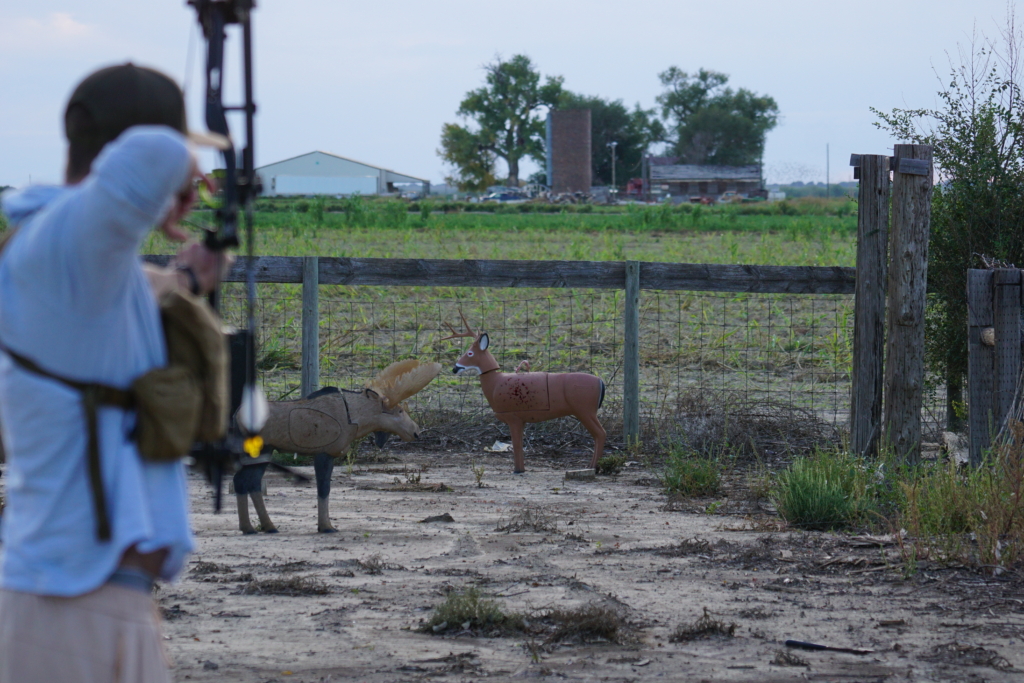
I still shoot every single day. The difference is, I may only shoot a dozen arrows a day, but every one is shot with a clear purpose. I see the arrow impacting the target as I get into my grip and crawl into my anchor. Once I’m anchored, I aim and aim until my release fires my bow. I follow through and expect my arrow to hit behind my pin.
I do have many days, especially in the offseason when I shoot a lot of arrows. However, during the season, I typically shoot between two and 12 arrows per day. Shooting daily keeps you in a rhythm. Your grip, draw, and anchor feel familiar when you stay in rhythm. Shot execution feels natural and not forced. Shooting throughout the season is critical. Bowhunting is a game of inches. The margin between success and failure is small. The more confident you are, the more successful you will be.
Shoot Small Targets
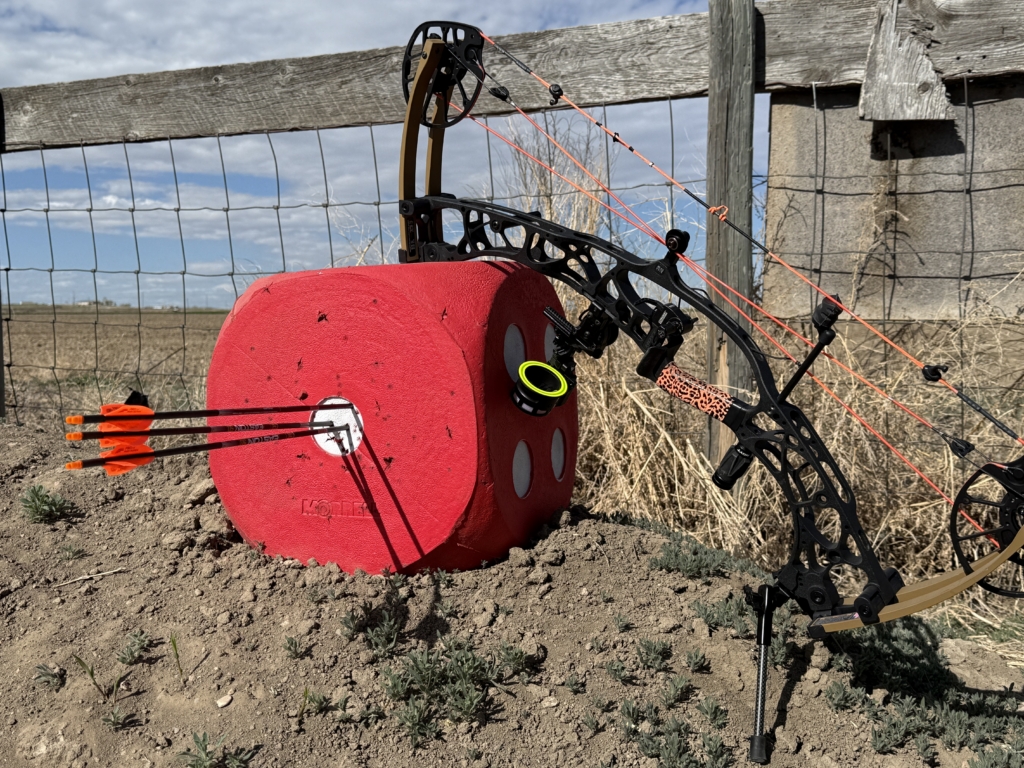
Every bowhunter, especially those of us who feel accomplished, has different routines and theories—things we credit our success to. Mine is year-round practice and shooting small 3-D targets and lesser-sized foam cube targets.
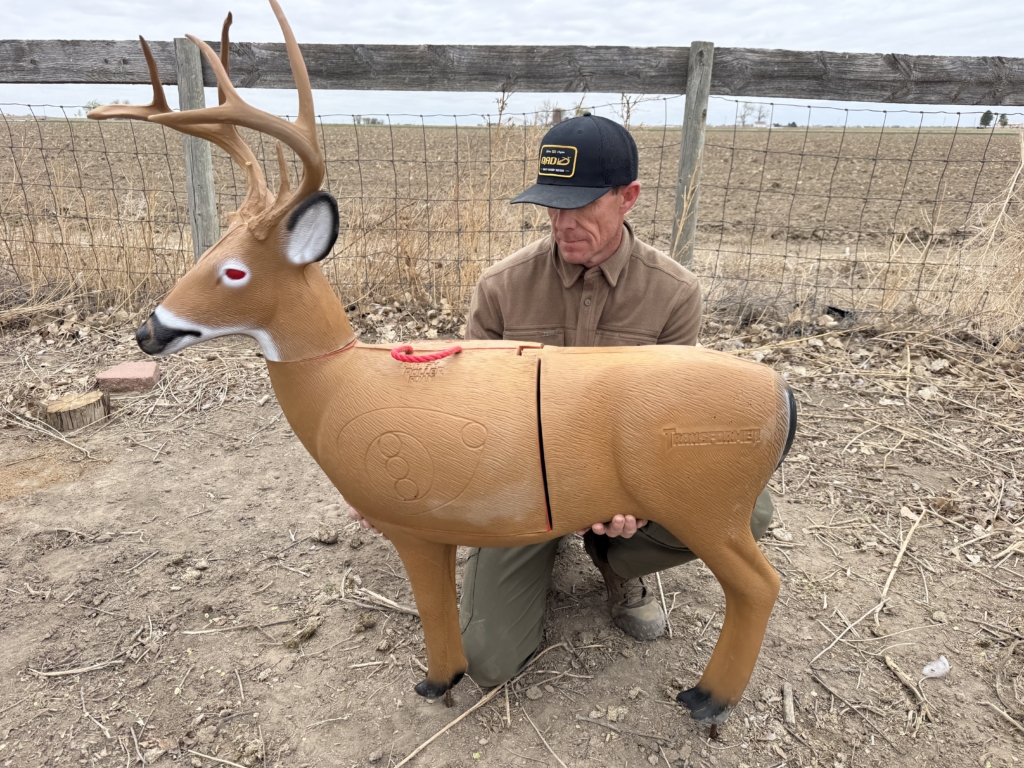
My reasons are two-fold. First, and most importantly, small targets leave less room for error. When I’m shooting from 80 yards at a large range target, I don’t have much to worry about. I can miss high, low, left, or right and still hit foam. If I shoot from 80 yards at a target like Morrell’s Transformer Buck, which is a small but extremely durable 3-D target, my room for error shrinks. The target’s vitals are small, and there is open space above, below, and on the sides. This is the case when we draw back on an animal. Open space adds nerves.
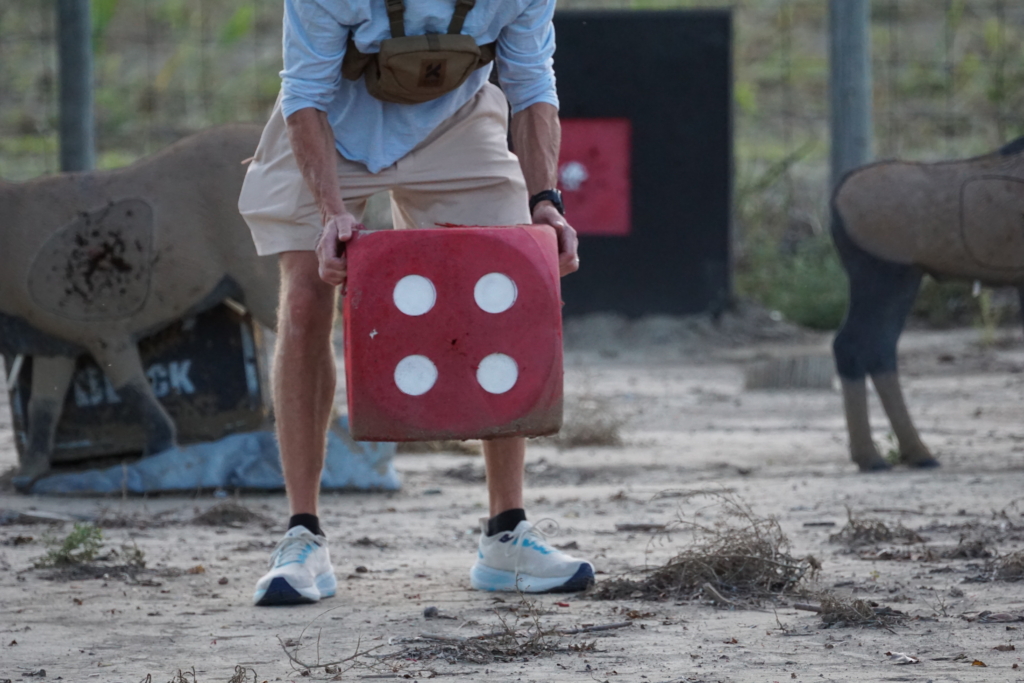
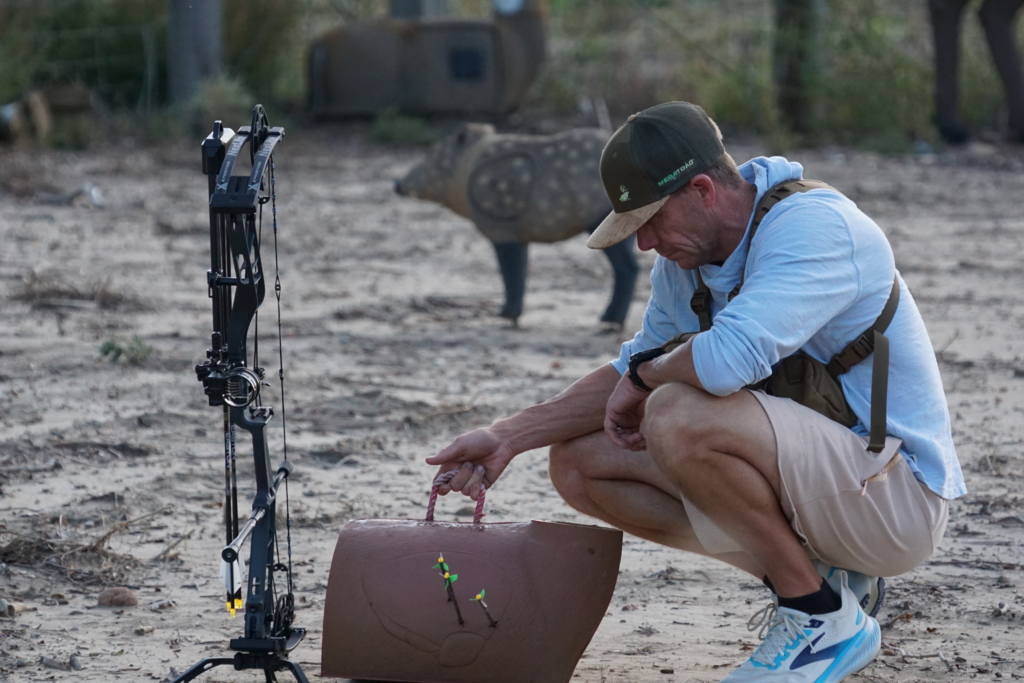
Another target I like is Morrell’s High Roller. The High Roller measures 13x13x13, offers six-sided shooting, and the foam lasts forever. I love the dice-style design, and the white aiming points stand out on the red foam. The target is fun to shoot and requires precise aiming.
The second reason I prefer smaller targets is that they are easy to take on hunts. They dont take up room in the back of the truck and are easy to tote around the range.
Another benefit of the Transformer Buck is that, as the name implies, it transforms. The mid-section with the attached carry rope can be used as a set-on-the-ground target. Leave the head and legs behind, and you’re good to go. The target offers double-sided aiming: scoring rings on one side and vitals on the other. The tan-colored foam is red underneath and is the same ultra-durable foam Morrell uses in its High Roller and Big High Roller foam targets.
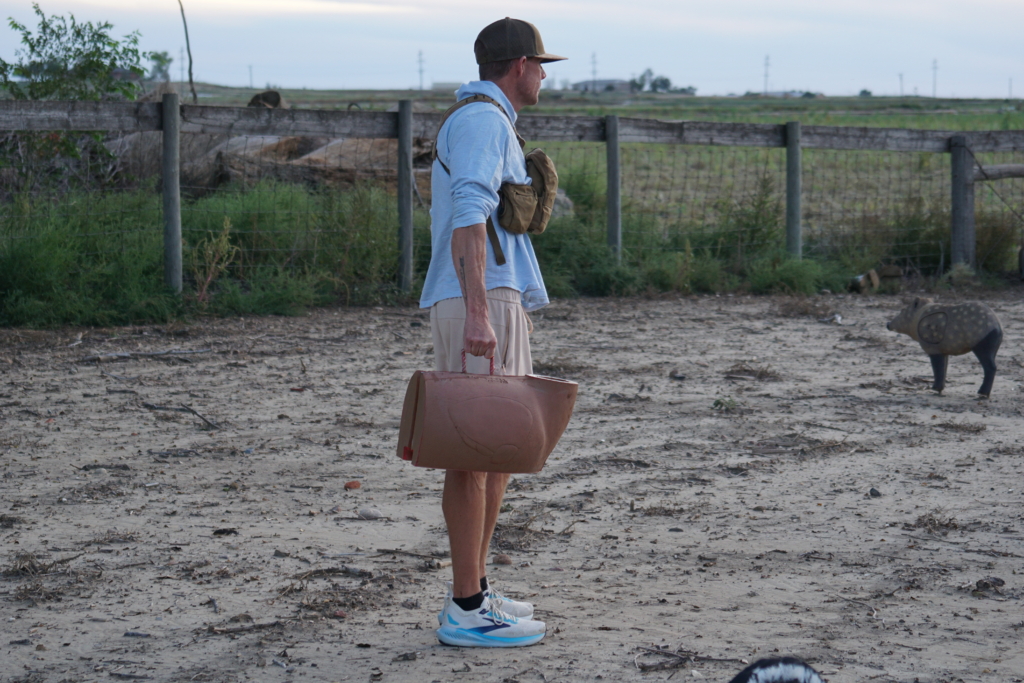
Shooting at smaller-sized targets from varying distances is crucial for developing precision and control in bowhunting. Small targets force you to fine-tune your aim and technique, as there is less margin for error. This practice mirrors the complexities of real hunting scenarios, where animals present smaller target areas and demand the utmost accuracy. By consistently engaging with these targets, you nurture muscle memory and sharpen your coordination, both essential for effective shot execution in the field.
Additionally, varying distances in your practice creates adaptability. Wildlife rarely provides perfect shots at known distances. When you practice at different ranges, you learn to estimate, adjust, and recalibrate your shot with confidence. This variability not only simulates real hunting conditions but also builds greater confidence in your abilities. Ultimately, honing your skills on smaller targets at multiple distances enhances both your confidence and your likelihood of a successful hunt.
Final Thoughts
The importance of consistent practice in bowhunting cannot be overstated. Shooting small targets at varying distances sharpens our focus, improves accuracy, and builds the confidence we need in the field. It’s not just about putting in time; it’s about shooting with purpose and intention. Every arrow should feel meaningful, reinforcing our technique and preparing us for those high-pressure moments when it counts the most.
By integrating year-round practice routines, particularly with small 3-D targets, we create an environment that simulates real hunting conditions. This approach elevates our skills and keeps us ready for the unexpected. As bowhunters, we owe it to ourselves and the animals we pursue to keep honing our craft. Embrace the challenge of precision and stay committed to practice—every shot taken is a step closer to consistency and success in the field. Keep pushing your limits and enjoy the journey. Happy hunting!