Learn how bucks use scrapes, when scrape hunting peaks, and how Wildlife Research Center products can help attract mature whitetails with mock scrapes.
by Jace Bauserman
Years ago, while prospecting for cast bone on my Colorado deer dirt, I came across something. I hadn’t been whitetail hunting long, but the scrape was too big to ignore. I’d heard a lot about car-hood-sized scrapes. This one wasn’t that big. Still, I’d never seen a bigger scrape. Wild grapevines wrapped around and choked the small cottonwood, putting the licking branch at perfect height. Behind the main cottonwood licking branch were multiple low-hanging grapevines. The vines looked like little ropes hanging down, and the bucks loved them. I’ve since killed a pair of bucks coming to or leaving that scrape.
I love seeing scrapes. It’s early October, and a recent camera card pull told me bucks are just starting to paw the ground with their forehooves and rub their foreheads and faces on overhanging branches.
Bucks and does use scrapes. Bucks use them to mark territory and convey their presence to other bucks and does. Every deer that visits a scrape leaves its scent, making scrapes key sites for deer to gather information. Does that are ready to breed urinate in a scrape to let a passing buck know they are hot. If an estrous doe urinates in a scrape, she typically beds close by. When a buck detects the scent, he finds the doe and locks her down. Scrapes matter.
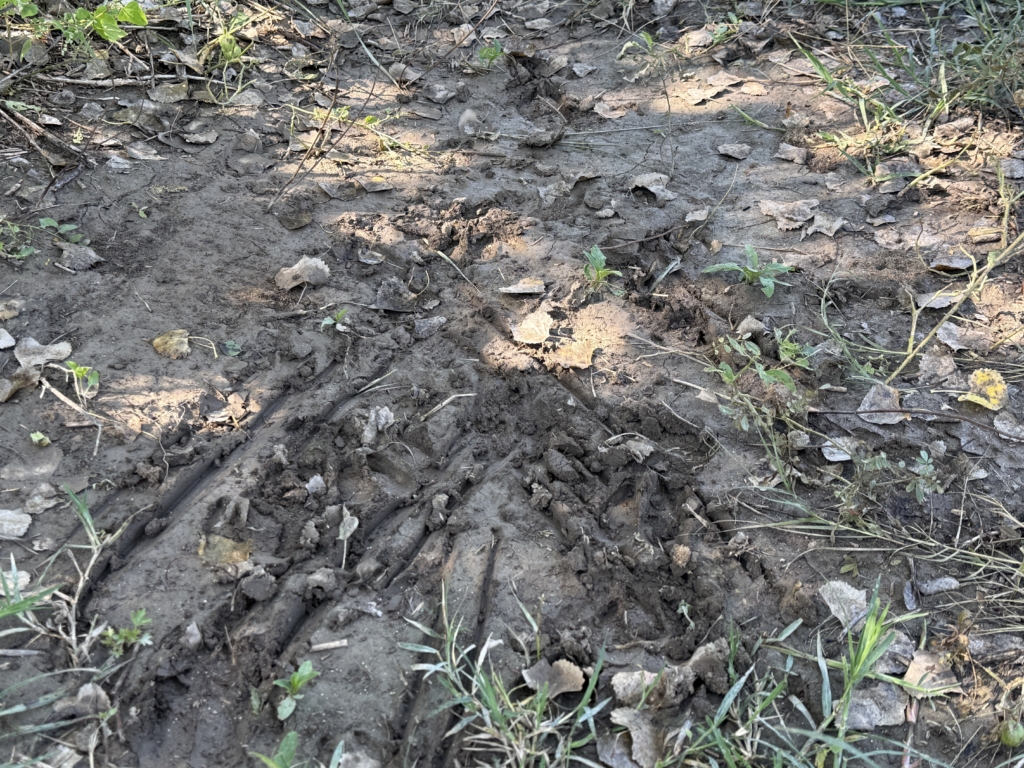
It’s true, especially in the first half of October, that most scraping is done at night. Trail camera studies in my area show that from October 1 through October 20, 88 percent of all scraping happens at night. This percentage varies by region and property.
Scrape hunting gets good during the final 11 days of October and through the first week of November. Bucks’ testosterone levels are peaking, and mature bucks are on their feet more. They know an estrous doe could pop at any time.
Scrape hunting is also effective during this timeframe after a moisture event. Water washes scent away. When heavy rain keeps bucks in their beds, the first thing those mature bucks want to do when the moisture stops is freshening their scrapes.
Scrape Hunting With WRC Products
I’ve used scents and scent-eliminating products from Wildlife Research Center for years. One of my favorite scrape-hunting methods is to find a community scrape. A community scrape differs from other scrapes in that many bucks and does are using the scrape. Community scrapes get hit often, which is why they grow. Most community scrapes will measure 2 to 3 feet across. Some will be bigger.
I don’t like to mess with community scrapes. Some hunters have excellent luck dumping a product like WRC’s Active-Scrape or Golden Scrape in an established community scrape. The idea is that bucks will detect a buck they haven’t smelled before. With testosterone boiling, bucks who smell a new buck will demolish the scrape and visit it more often to intercept the deer on their way to and from the scrape. Hunters have great success with this method every year.
I’m a little different. If a scrape is already hot, I leave it alone. Bucks and does are on it, and I don’t want to risk interfering with natural activity. I like to make a mock scrape 10 or 15 yards away from the community scrape. A mock scrape is a human-made deer scent-marking site. I find or create (more to come) a licking branch, break it off, and then use a stick to disturb the earth beneath it. Making a mock scrape isn’t hard. Don’t overthink it.
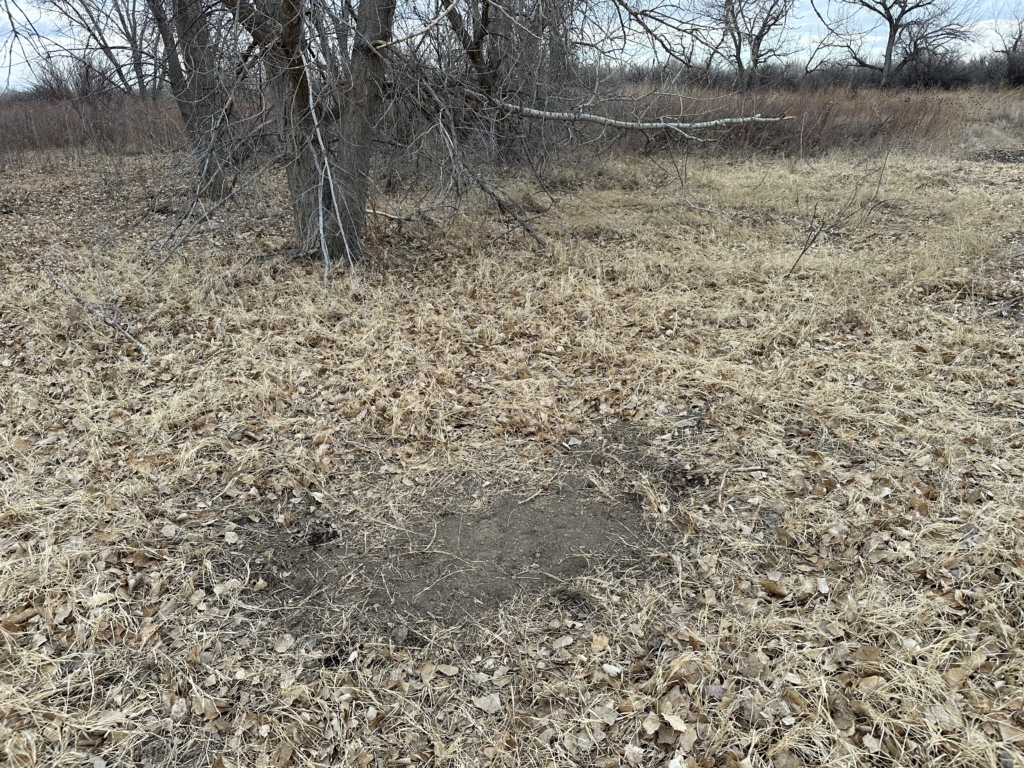
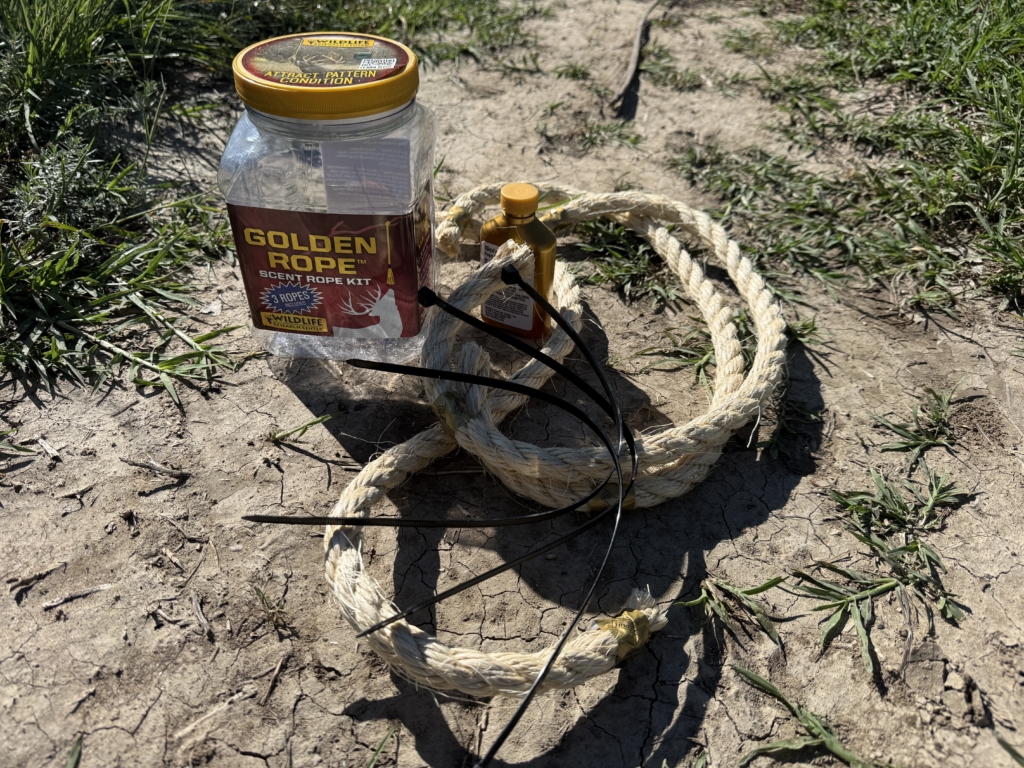
The magic happens once you break the licking branch and disturb the dirt. My go-to product is WRC’s Golden Rope Scent Rope Kit. You can opt for the plastic tub or the bagged kit. I like the bagged kit. It comes with one 30-inch natural-fiber rope with high absorption. The rope is durable and isn’t pretreated with any chemicals. The kit includes a cable tie and a 4-ounce bottle of Golden Rope Concentrate that makes 20 ounces of long-lasting scent.
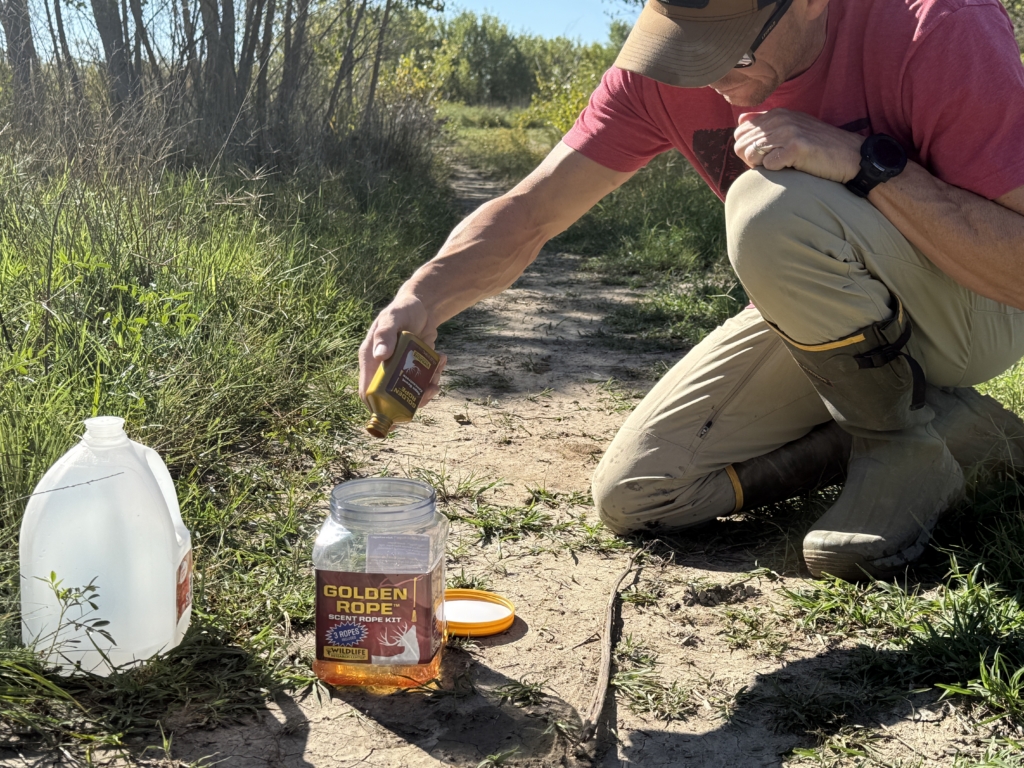
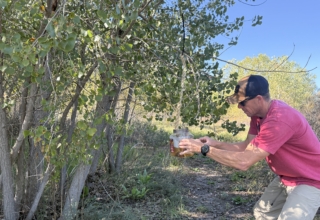
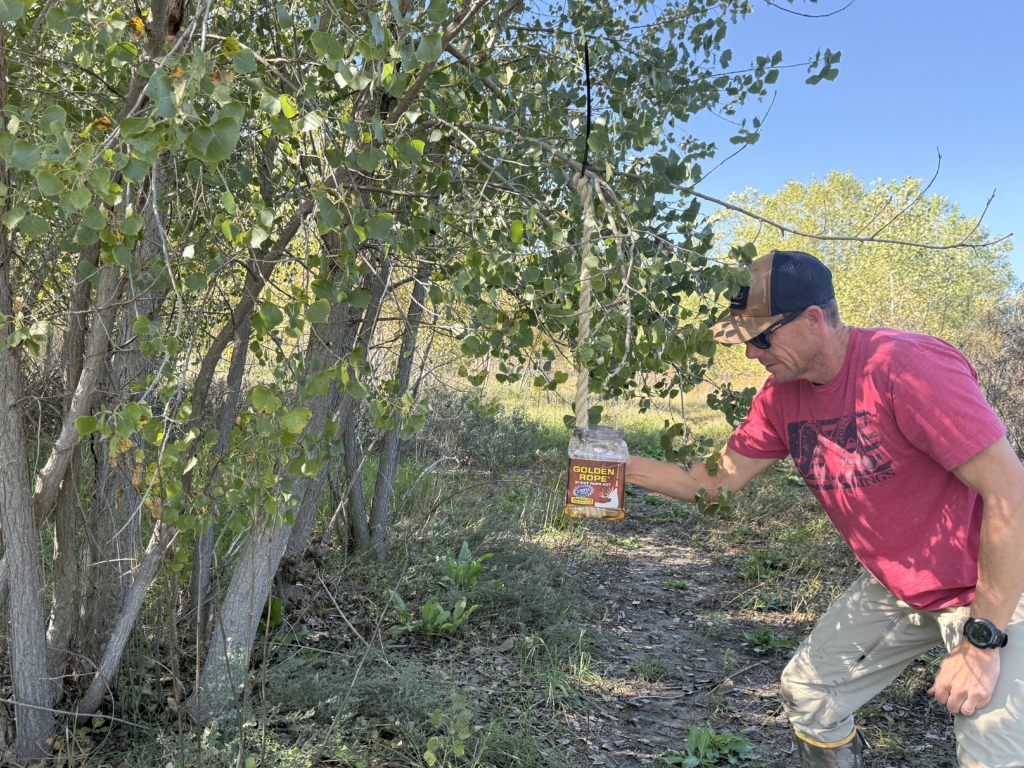
I hang the rope on or near the main licking branch and place it at a height that will put it right in a buck’s face. I unwrap the rope ends to increase attraction and maximize scent dispersion. WRC includes a durable wrap that prevents the rope from unwrapping too far. Next, I dip the rope into a water jug containing my pre-mixed Golden Rope Concentrate. I let the rope soak for a few minutes, then pull it away. Golden Rope scent will begin dripping into the scrape.
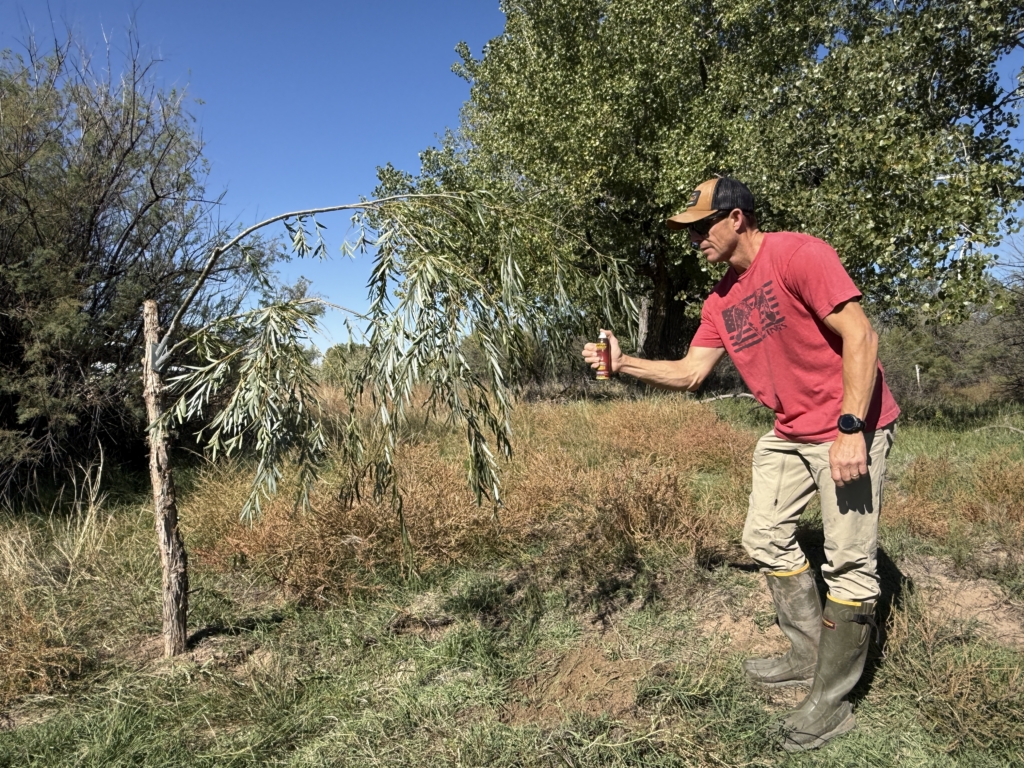
Next, I spray the main licking branch with WRC’s Active-Branch Spray. My final touch is dumping an ounce of Golden Scrape directly into the scrape. Because of the mock scrape’s proximity to the main scrape, bucks tend to find it and demolish it. There’s no other deer scent there, and if they’re first on the scene, they typically smell the lure and hammer the scrape. Once a mature buck takes over a scrape, he’ll keep using it regularly. A well-used community scrape, combined with a new mock scrape, will attract more mature bucks to the area.
Other Great Scrape Making WRC Products
Sometimes a just-right licking branch isn’t an option. If not, I use WRC’s Active-Branch Mock Scrape Kit. The kit includes a durable plastic limb holder that accepts two branches. I highly suggest using tree branches that aren’t common in your area. A limb from a new tree species tends to drive deer in the area crazy. They love it.
If you’re on public property, use the included Mounting Strap. If you’re hunting private property and the landowner is ok with it, insert four screws into the four screw slots and drill the mount into a tree or post. I love the Active-Branch for adding licking branches to my cedar rubbing posts.
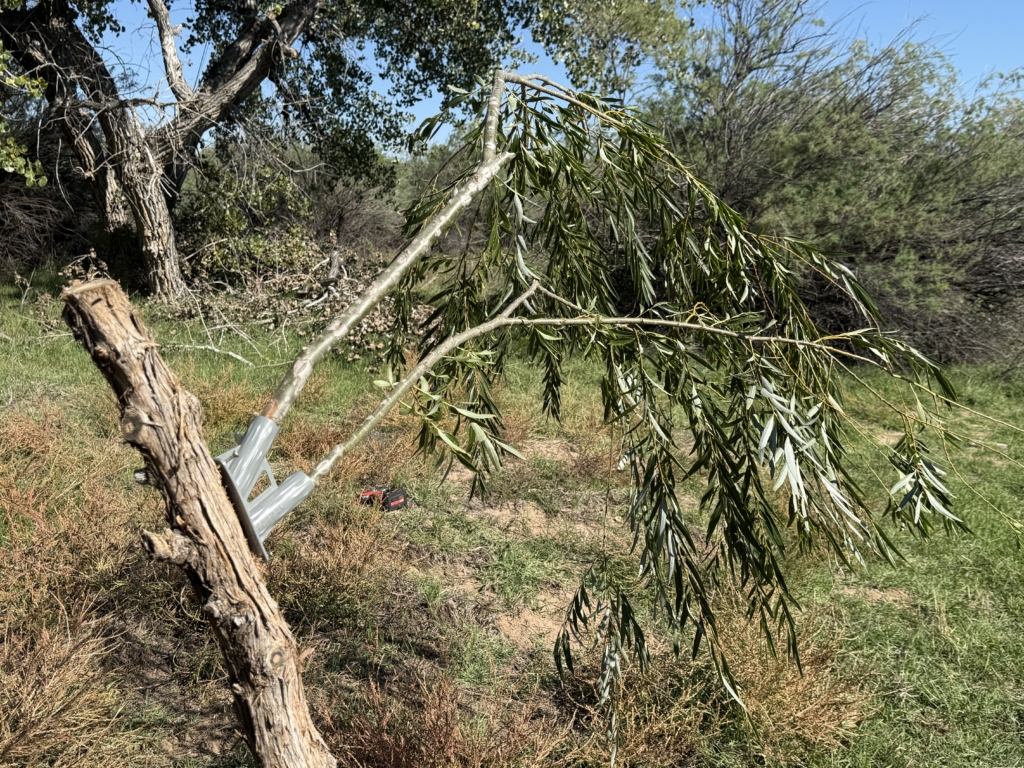
The Kit also includes 1 Magnum Scrape-Dripper and a 4-ounce bottle of Golden Scrape premium scrape scent.
Once I create a mock scrape, whether I use a Golden Rope or not, I prefer to carry Golden Rope Scent Spray, Active-Branch Spray, and Active-Scrape Spray in my backpack. I love the aerosol dispersion of Golden Rope Scent Spray and Active-Scrape Spray. Pay attention to the wind direction so you don’t douse yourself and keep the process mess-free. I also like Active-Scrape’s spray-bottle design. The bottle won’t leak out in your pack, and the on/off nozzle works perfectly.
The Golden Rope Scent Rope Kit in the plastic tub includes 3 scent ropes with cable ties, and the tub makes mixing in the field easy.
Know When To Pull The Scrape Plug
Scrape hunting is fun. Scrapes are also a great way to get lots of pictures of areas bucks use. The difficult thing about scrapes is knowing when to pull the plug. When whitetail bucks start chasing, they abandon scrapes. You’ll know when this happens. Your cameras will be void of bucks, and your scrapes won’t get hit. When this occurs, stop hunting scrapes. Bucks are chasing, so get in a good rut funnel and make some November magic.
Final Thoughts
Scrapes offer a fascinating look at how whitetails communicate. Bucks and does leave scent at these shared sites, while an estrous doe’s visit may draw a buck searching for a breeding opportunity. Trail-camera observations in from my region show that 88 percent of scraping from October 1–20 happened at night, though activity varies by location. I find scrape hunting most promising in the final 11 days of October and the first week of November, especially after rain washes away scent.
Community scrapes can be powerful locations, often measuring 2–3 feet across. Rather than disturb a productive scrape, create a mock scrape 10–15 yards away, beneath a suitable licking branch. Scent ropes and other attractants are optional tools, not guarantees; use them thoughtfully and follow local rules. Watch cameras and fresh sign to judge activity. When bucks begin chasing and scrape visits fade, adapt. Leave the scrape strategy behind and focus on active rut funnels.