Review of the Stealth Cam Deceptor Max 3.0: 60 days testing battery life, No Glow LEDs, trigger speed, Rack Alert.
by Jace Bauserman
Stealth Cam builds solid trail cameras—digital and cellular. The DS4K Ultimate was one of two primary digital cameras I relied on for multiple big-game hunts in the West during 2025. The camera held up in rough conditions, delivered excellent battery life, and its photos and audio-enabled video helped me punch a couple of western whitetail tags.
For 2026, Stealth Cam has shifted back toward a more familiar, well-liked cell-camera format within the Deceptor line. The new Deceptor Max 3.0 builds upon what worked in earlier Deceptor models and pairs tightly with Stealth Cam’s Command app to keep you informed in the field around the clock. The Max 3.0 is compact enough to mount nearly anywhere, and its new adjustable detection zones should cut down on false triggers.
Stealth Cam Deceptor Max 3.0
Like the DS4K Ultimate, the Deceptor Max 3.0 is a bit heavy and slightly clunky, but it’s not difficult to mount. The internal tray holds 16 AA batteries, which adds weight but deliver long run times. I appreciate the long hinge-and-buckle side latch and the sturdy outer shell. The antenna, however, needs improvement. The antenna-to-camera mount is small, and the antenna itself feels flimsy, similar to the antenna on the Revolver 2.0.
I was pleased to see 940nm No Glow LEDs on the Deceptor Max 3.0 Some deer will spook at any visible flash. From years of trail-cam use, I know even a low-glow LED can bother deer. A true No Glow setup that doesn’t alarm game while still producing high-quality images and video is worth every penny.
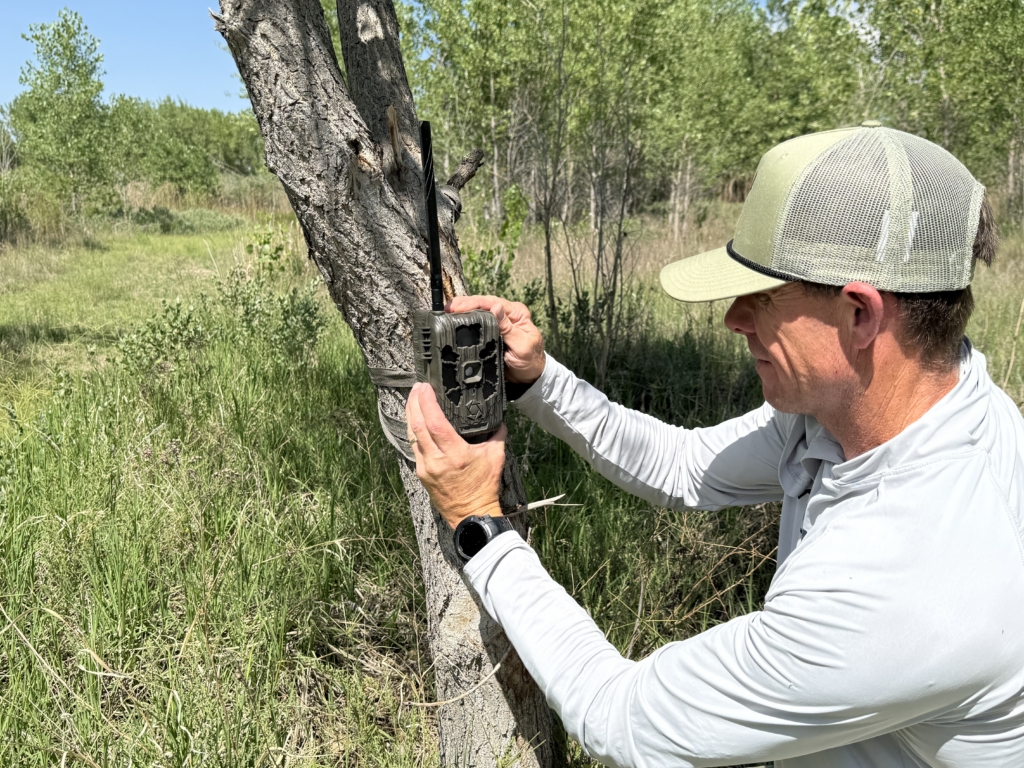
The Deceptor Max 3.0 can shoot up to 50MP photos. However, the Command app gives you options (50, 16, 8, and 4MP) so you can balance image detail against data and battery use. Photo burst and delay settings are adjustable, and the camera will record 1440p video with audio.
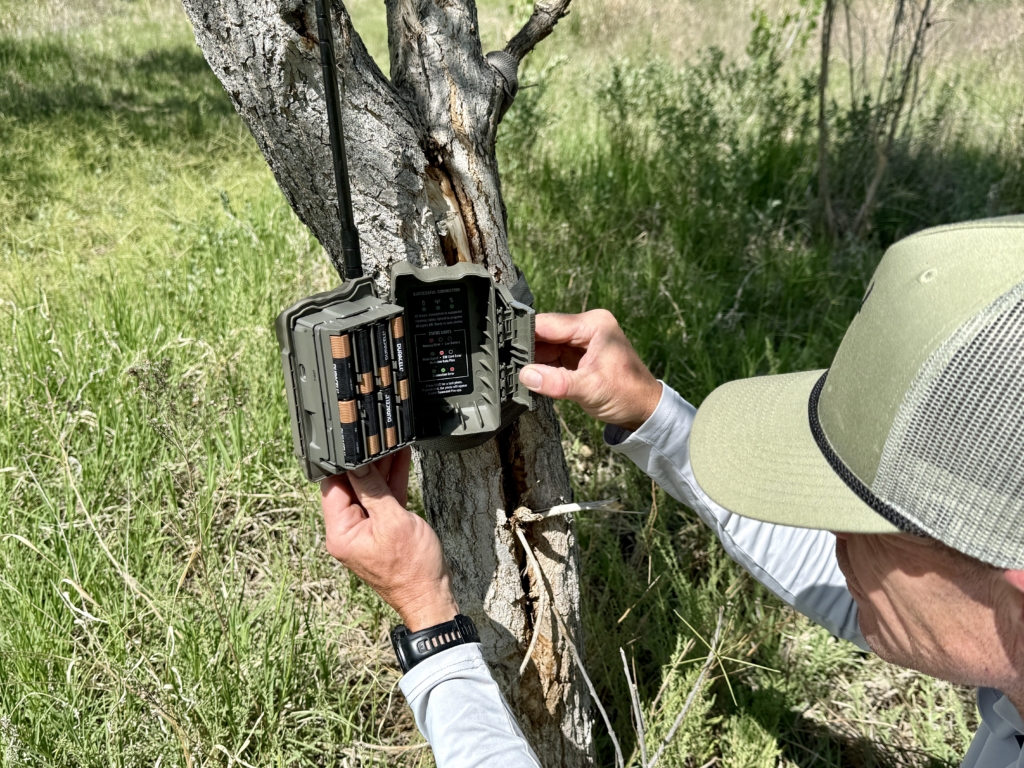
The internal interface works, but everything—controls and status lights—is located on the bottom of the camera’s interior door. That placement makes it awkward to view indicators when powering the unit on or checking a connection. The on/off button is small and fiddly. Not a deal breaker, but definitely a design flaw. Activation is straightforward: power on, wait for all three lights to turn green, then close the door after the lights extinguish. After that, the camera will send photos and videos to the Command app. Like most cell cams, the Deceptor Max 3.0 will latch onto the strongest available network.
Stealth Cam addressed several issues and added notable upgrades to the Max 3.0. The dual-core processor includes a false-image detection feature. Stealth Cam calls this a “breakthrough.” I’m with them: false triggers drain batteries and waste time sifting through empty images. The Command app’s False Trigger Filter has configurable options to help cut down on those nuisance captures.
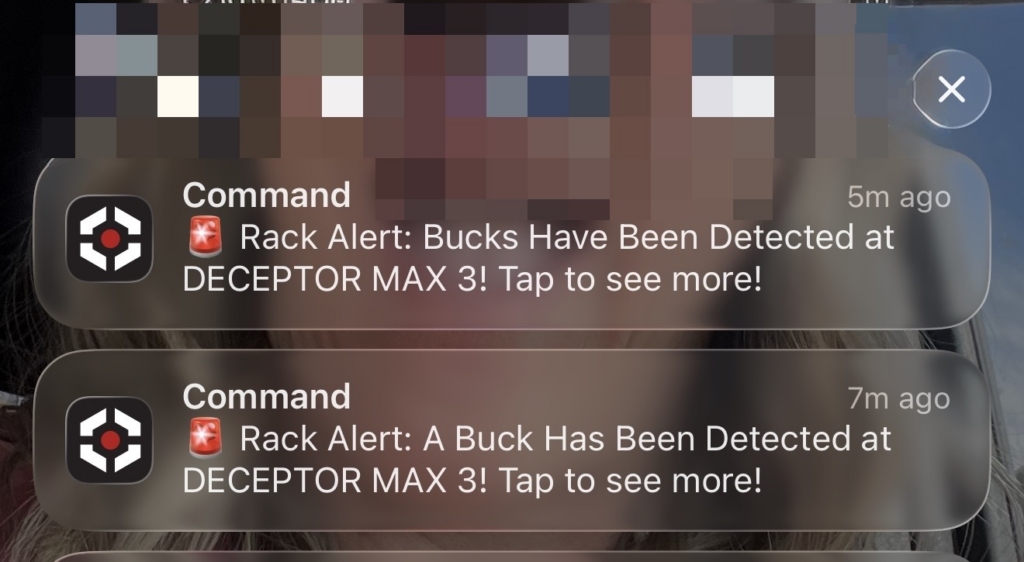
Another feature I like is Rack Alert. Turn it on in the app, and you’ll get an immediate notification the moment a racked deer enters the detection zone. This is exactly the kind of heads-up I want when a buck shows up.
Prior to testing, all signs point to Stealth Cam’s strongest cellular camera design to date. The Max 3.0 feels like a blend of the best traits from the DS4K Ultimate digital camera and the earlier Deceptor cell models.
Testing The Deceptor Max 3.0
I ran the Max 3.0 for two months on a Colorado lease. The camera monitored a trail intersection, large alfalfa field, a pond, and a community scrape deer used all season. To conserve battery, I set images to 8MP and camera sensitivity to low for much of the test. I evaluated the camera’s AI, Command app features, photo/video quality, trigger speed, and detection range.
Deceptor Max 3.0 Test Results and Impressions
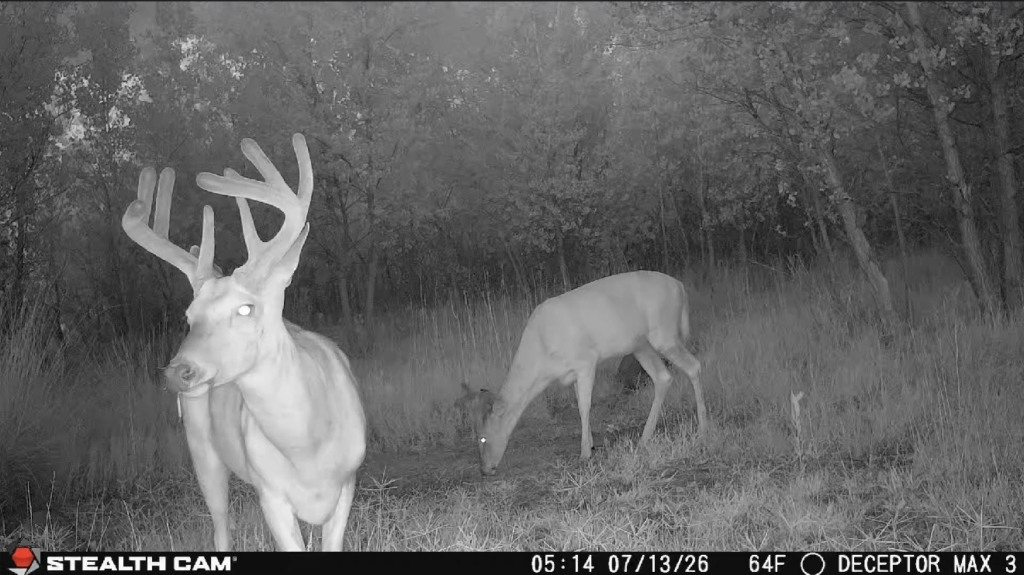
After 60 days in the field, the Max 3.0 logged only three false triggers. That includes a day with 80-mph winds. The No Glow flash did not spook deer. A regular large buck at the trail intersection ignored the camera completely. The No Glow LED range exceeded the advertised 100-foot rating for both night and day.
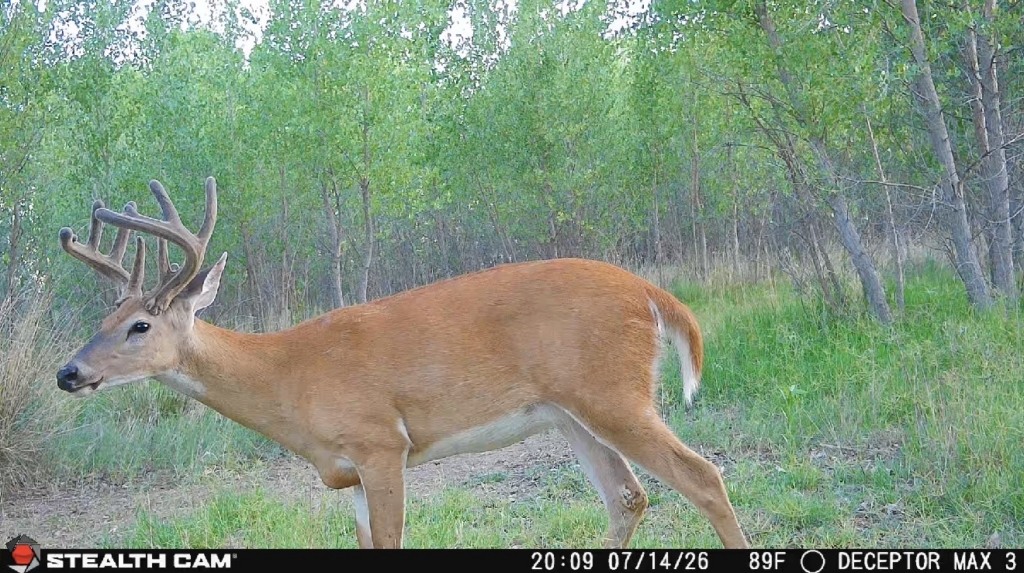
Trigger speed is excellent, and with Standard blur reduction, images were consistently centered and sharp—even a doe sprinting past at top speed was captured clearly. Video capability impressed, and the audio quality is notably good. I ran the camera in both photo and video modes and found neither lacking.
Video clips taken directly in the app can look a bit grainy. Video runtime (10 seconds versus 60 seconds) didn’t materially change the in-app look. To view a higher-resolution, full-HD video with audio, you need to request it. The next time the camera triggers it will deliver the full-HD file. HD photo quality is outstanding.
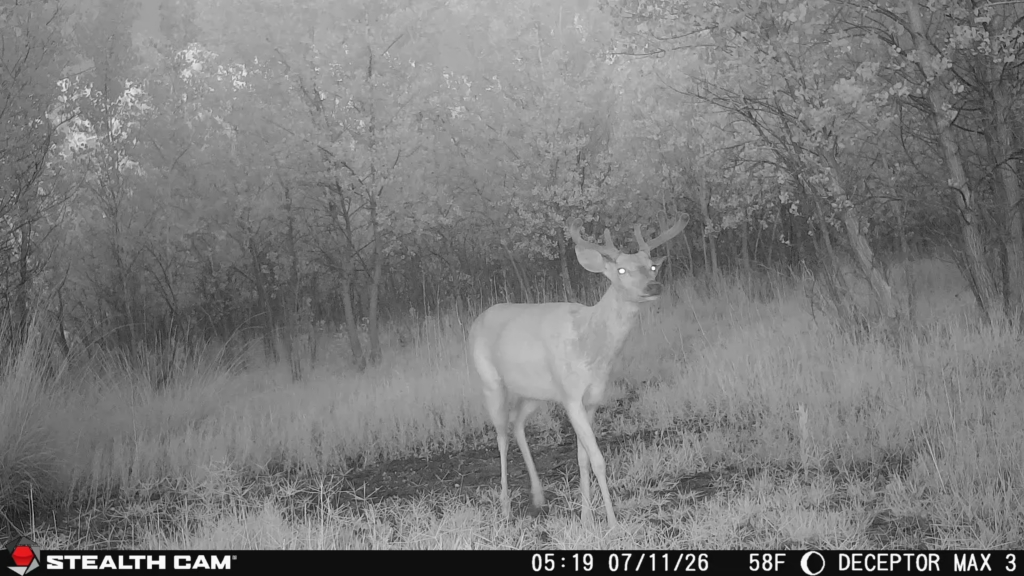
I don’t love the extra heft from 16 AA batteries, but I do love the runtime. After 60 days, 723 photos, and twenty-three 20-second videos, battery life still measured about 90 percent.
Stealth Cam’s two main 2026 claims held up in my testing. False triggers are dramatically reduced compared to the Revolver 360, and Rack Alert performed flawlessly. Every time my phone dinged with a Rack Alert, the image showed horns. The feature is dependable.
Do you need 50MP shots? Not for most users. I tested 4MP and 8MP settings, and images were bright, colorful, and free of grain. Video is clear enough for scouting and scouting in the moment, and I’m looking forward to hearing how the HD audio captures rut activity. The Command app is simple and easy to use—a real improvement over recent iterations and a welcome change.
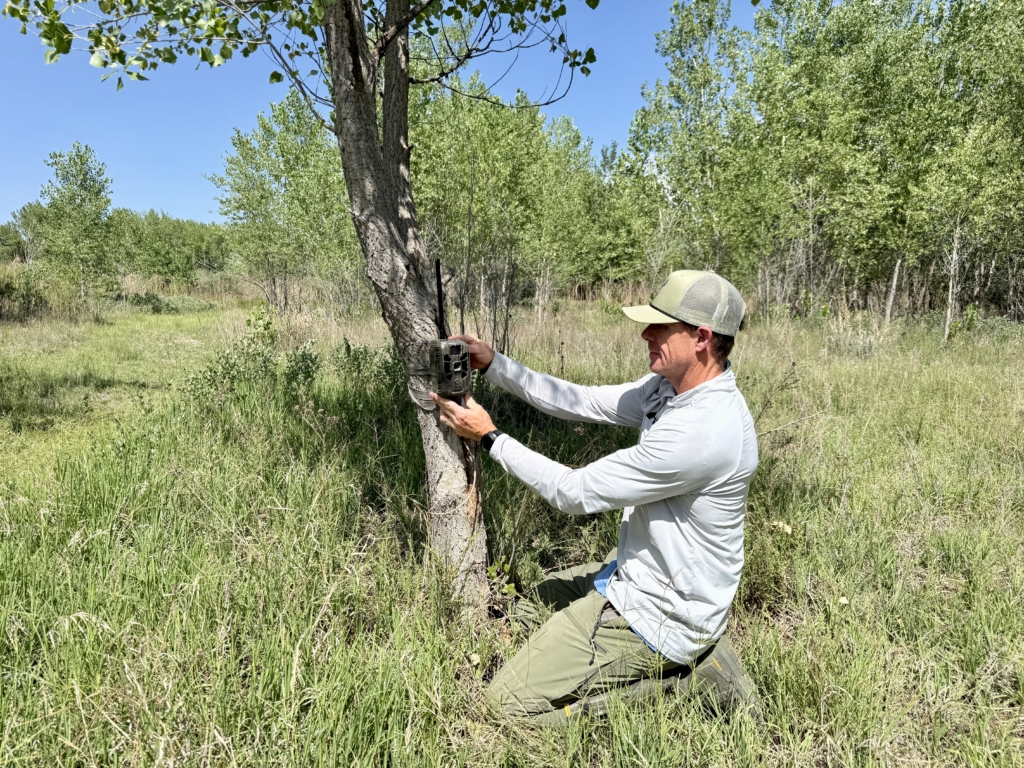
At $119.99, the Deceptor Max 3.0 is a budget-friendly cellular camera that offers strong performance and sensible features. It’s a standout value in the cell-cam space for 2026.
Bottom line: If you want a reliable cellular trail camera with long battery life, fast triggering, accurate detection, and practical app features (including Rack Alert), the Stealth Cam Deceptor Max 3.0 is one of the best options this year.