A hyper-accurate caliber that combines high-BC bullets with fast velocities and manageable recoil, the 6.8 Western is a top-end big-game caliber you should consider.
by Scott Haugen
Last fall, a bullet manufacturer offered me a white-tailed deer hunt in Texas.
“We’d like you to shoot a 150-class whitetail and write a review on the bullet’s performance,” they said.
I chuckled. The conversation fell silent.
“Sorry,” I replied. “You want me to shoot one animal and report to readers on how your bullet performed?”
“Um, yes,” the man sheepishly came back.
“Yeah, I won’t do that. However, if you want to get me 10 doe depredation tags, we can talk,” I offered.
“Oh, there will be seven hunters in camp, all shooting a buck, so you’ll be able to see how their bullets performed,” he replied.
I asked how these deer were to be hunted.
“Over feeders, from ground blinds,” the man came back.
“So, we’re all to shoot deer at roughly the same distance, likely as they’re standing broadside, and compare notes?” I quizzed.
“Tell ya what, get me more doe permits, and I’ll shoot deer from 50 to 400 yards, standing broadside, quartering to and away, frontal shots, high shoulder, lung and heart, facing uphill and downhill, and then I’ll be able to properly evaluate the bullet’s performance.”
I didn’t go on that hunt.
For more than 25 years, I’ve made a living hunting big game around the world. Before that, I lived a subsistence life in Arctic Alaska, where animals had to be killed with precision, or we went without meat. I mount my own scopes, shoot paper as few times as possible, then go hunting. I used to do all my own reloading, but today’s quality factory loads relieved me of that duty.
Here’s what I know for certain: Nothing, not paper or gelatin blocks; nothing I’ve found gives more accurate bullet performance feedback than killing game. And yes, hunters kill; farmers harvest.
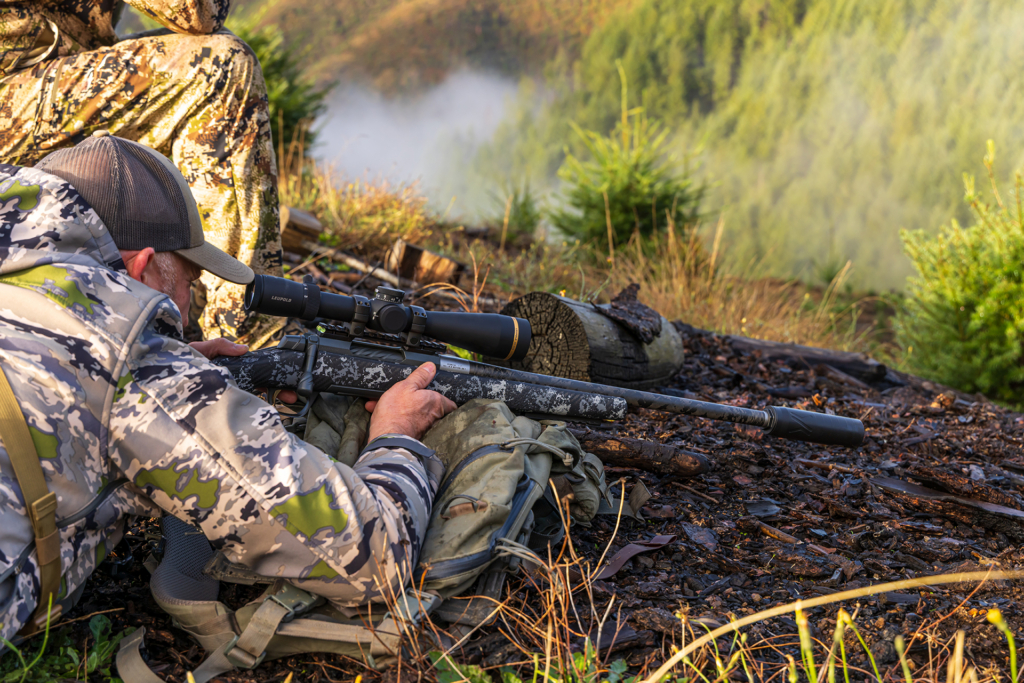
The first time I witnessed Browning’s Long Range Pro Hunter 175-grain Sierra Tipped Gameking bullet shot from a Browning X-Bolt 2 Speed rifle in a 6.8 Western, I was impressed. One well-placed shot put down a big Roosevelt bull, our biggest bodied elk. Three buddies killed bulls using the same bullet on that hunt. I grew up hunting Roosevelt elk; I know how tough they are.

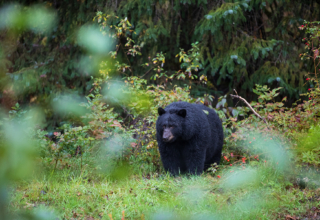
The following spring, I hunted with that rifle and load for the first time. I shot a bear in the head as it was being tormented by hounds on the ground. Accurate, yes, but the shot didn’t speak to the overall performance of the bullet, other than it penetrated the skull at 75 yards.
Two years later, I shot the same setup, this time in Africa. I went with the intent of firing two shots, one at a sable antelope, one at a roan. I shot the sable in the shoulder as it quartered to me. The top of the heart and the offside lung were thrashed. The big-bodied roan offered a broadside shot. The magnificent animal only made a few paces before collapsing. Both lungs were completely destroyed.
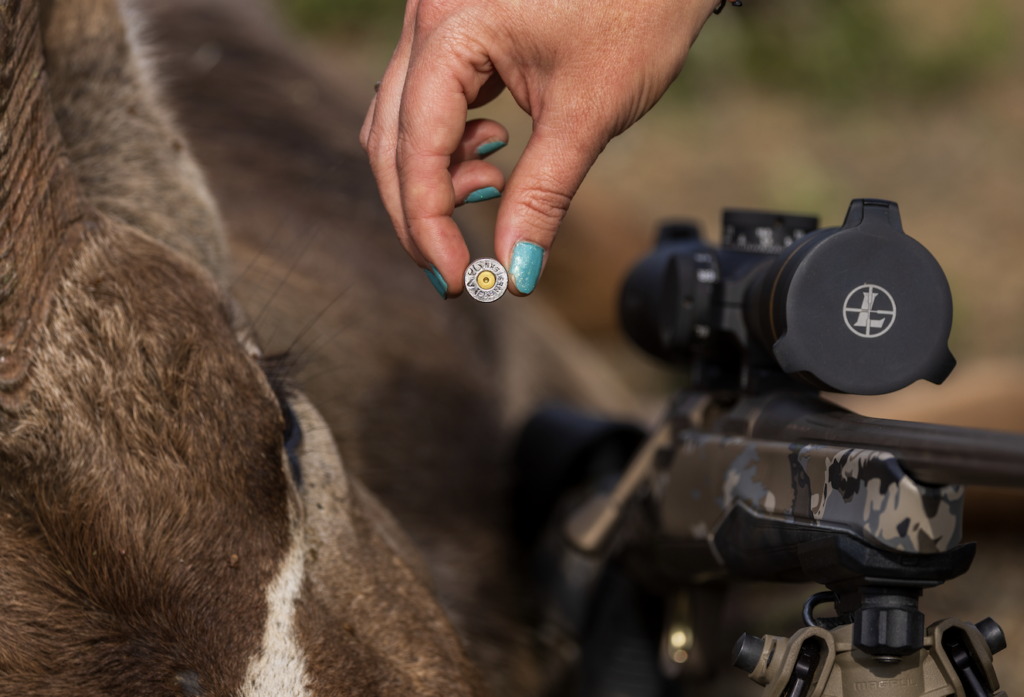
Over the course of the next week, I’d watch friends take kudu, gemsbok, blue wildebeest, zebra, and over a dozen other plains game with the 6.8 Western and 175-grain bullet. All were one-shot kills, a few beyond 400 yards. Being there, seeing it for myself, I was able to judge the angle and demeanor of the animals, and the shots taken by friends, all accomplished hunters.
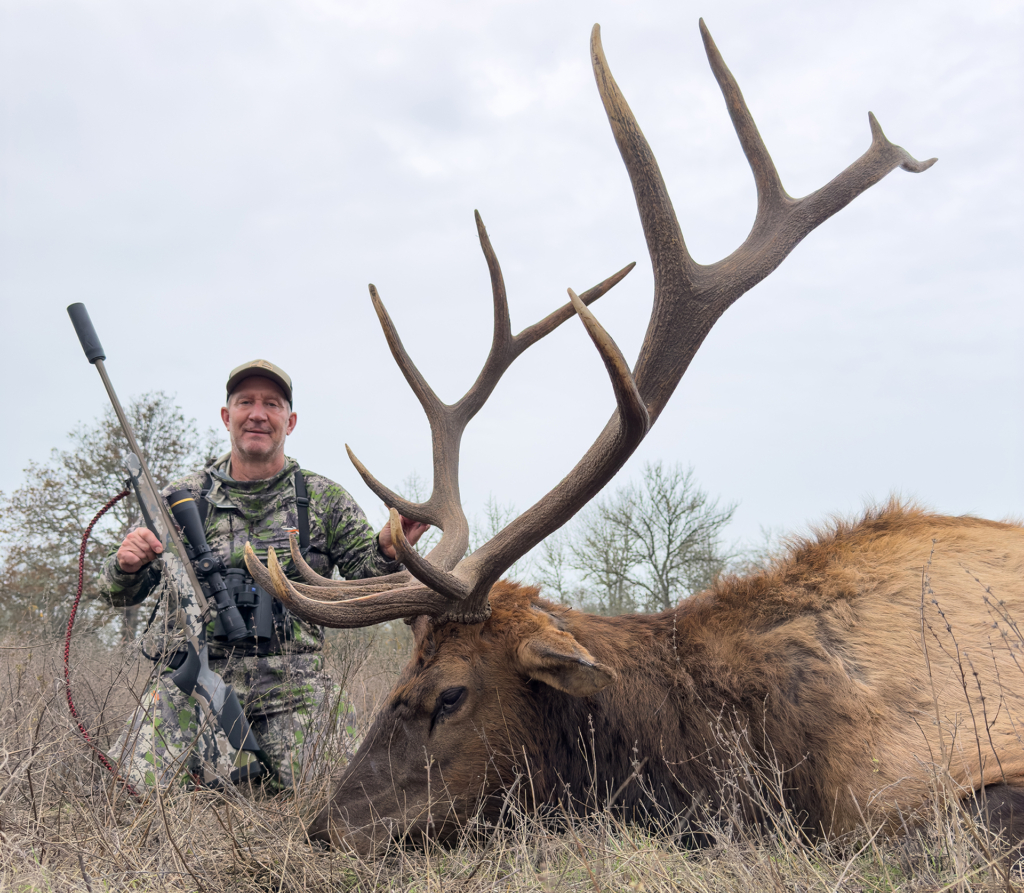
Last fall, I shot the biggest Roosevelt bull of my life. It was running broadside at 104 yards. The 6.8 Western hit the mark, and the 175-grain bullet pierced both lungs while clipping the lower spine. The bull dropped on the spot and quickly expired. Four years and many animals later, I feel comfortable highlighting the details that make this caliber and bullet so effective.
Last winter, I was hunting ducks in Nebraska. In camp was Kyle Masinelli, Senior Director of Product Innovation and Strategy for Winchester Ammunition. He designed the 6.8 Western bullet. He’s been doing this for 20 years. When Masinelli shared how the 6.8 bullet was developed, he had my full attention.
“Our mindset was to modernize the .270 WSM in order to achieve the flattest possible trajectory in a bullet,” Masinelli, began. “By going with a heavier bullet with a longer ogive, we had to take the barrel twist rate of the 6.8 Western down to a 1:8, versus a 1:10 in the .270 WSM.”
The 0.080” reduction of the casing from the shoulder point, up, allowed for a more streamlined, longer bullet to be shot, which then increased the ballistic coefficient by one.
The .270 bullet weight range of 130-150 grains is lighter than the 6.8 Western’s range of 165-175 grains. The heavier, aerodynamic, missile-like bullet of the 6.8 overcomes air resistance in flight by losing speed more slowly than the lighter bullet.
Powder is also key. Converting smokeless powder to gas is what moves a projectile. The technicalities of this could be an article in itself. Suffice it to say that with the velocity and pressure, along with the Ignition Barrel Time (IBT), the 6.8 Western registers 65,000 psi under SAAMI Standards.
This takes us to bullet design.
“We wanted to achieve maximum weight retention and penetration between 300-700 yards with this bullet,” Masinelli continued. “We know it will perform up to and beyond those distances, but these are the ranges where many hunters are seeking optimal bullet performance.”
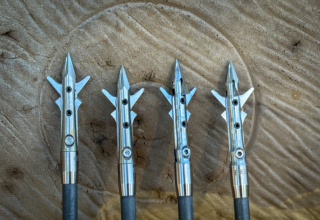
The Browning Long Range Pro Hunter 175-grain Sierra Tipped Gameking bullet is a three-part bullet design. The construction design is based on the Nosler AccuBond, one of my favorite performing bullets of all time. It also combines Browning’s Long Range Pro Hunter technology along with the Sierra Tipped Game King. It’s the combination of all three that culminated in the 175-grain bullet I shoot.
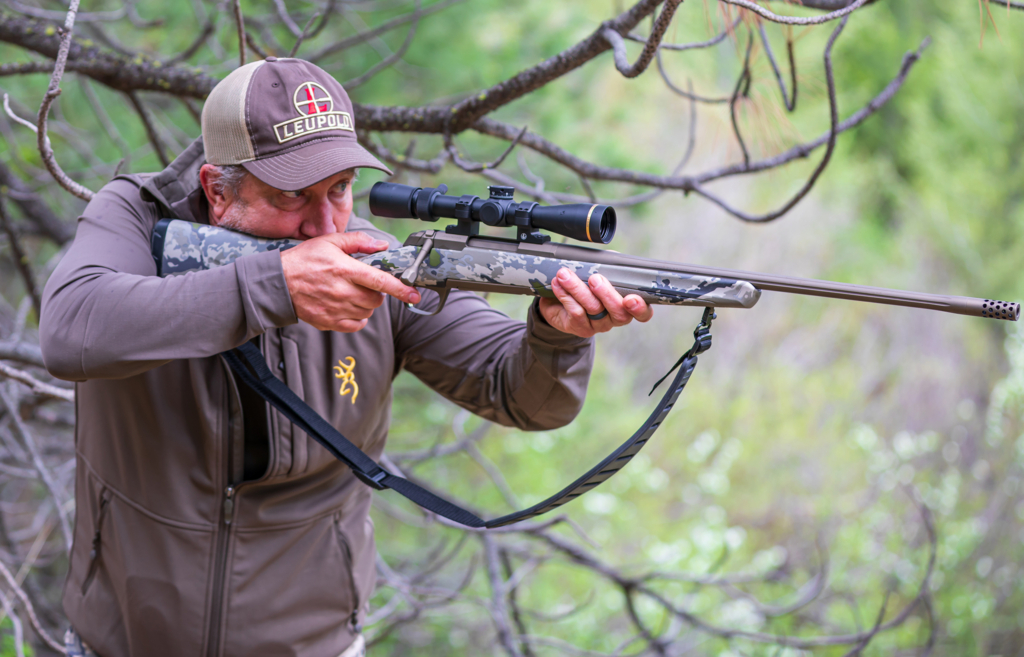
From the first shot I fired with the 6.8 Western, I noticed a reduction in recoil. I asked Masinelli why.
“Free Recoil Energy is a function of bullet weight, velocity, propellant weight, and firearm weight,” he shares. “The muzzle exit pressure of the 6.8 is lower, so the muzzle blast and shockwaves aren’t as high, which results in less recoil. It’s unlike so many wildcat rounds of today, which feature high exit speeds and create more shockwaves, noise, and felt recoil. Think of what a suppressor does on a rifle; that’s what the 6.8 does based on its lower exit pressure.”
Generally, people don’t prefer noise and recoil when shooting a hunting rifle. I see a lot of hunters flinching with the high recoil of today’s wildcat calibers that are turning out 85,000 psi; a 30 percent higher psi than the 6.8 Western. I also know a number of guides who won’t allow the use of the lighter bullets on big animals like elk and moose. Only you know what you can shoot comfortably, with confidence and pinpoint accuracy.
This is my 50th year of big game hunting. The 6.8 Western is one of the best performing calibers I’ve shot or seen shot. I’d hunt any big game in North America with it, except for coastal brown bear. I’d not hesitate to hunt eland in Africa with it. This caliber is here to stay, I hope.
Note: For copies of Scott Haugen’s popular line of hunting and fishing books, and Tiffany’s cookbooks, visit scotthaugen.com.