With the proper know-how and gear, you can call cougars close. Scott Haugen has perfected the art. Here’s his cougar-calling recipe.
by Scott Haugen
The one-hour mark passed. I was getting antsy. By now, a cougar should have come to my calls.
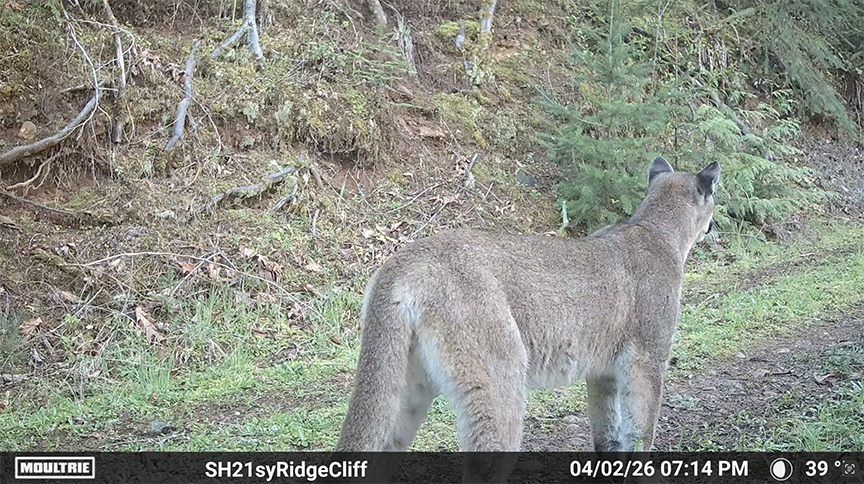
Cranking the electronic call on high, I lit up the brushy draw with young deer distress sounds. Columbia blacktails are thick in these woods, and they are a cougar delicacy. I’d give it another 30 minutes. Just two hours earlier, I’d caught four cougars on a trail camera half a mile from where I called. One clip was a female with two yearlings. Two minutes behind them was an adult female.
I’d been catching a lot of cougars whistling on multiple trail cameras, so I mixed in some of those sounds with the deer distress. Cougars whistle to communicate. These bird-like calls are often used by mothers to locate cubs in dense terrain.
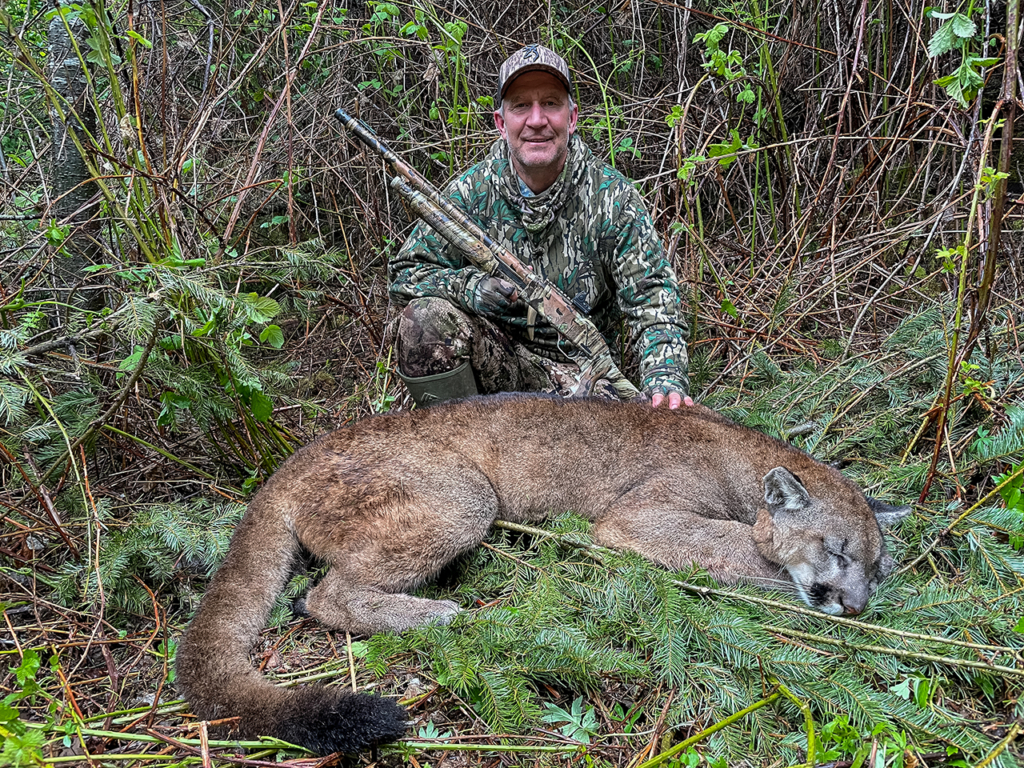
Twelve minutes later, a lone female cat arrived. It came in to kill. The cat moved slowly, close to the edge of the brushy trail, head up, looking at the e-caller.
In less than a second, the cougar was dead. A shot to the chest dropped the cat on the spot. Knowing where the shot would come, the rifle was already set, safety off, scope on 3X. It was fast and efficient. In the tight confines where I call cougars, it has to be. Anything less results in failed attempts, educated cougars, and missed opportunities. I’ve made a lot of mistakes while learning to call cougars. Heed the to-come advice to shorten your cougar-calling learning curve.
The Setting For Calling Cougars
For the past five years, I’ve become addicted to calling cougars. I love everything about it, from the challenge of patterning them year-round to figuring out which sounds to make and when. I’m particularly obsessed with the adrenaline rush that comes with luring an apex predator into spitting distance. I’ve called in a lot of big game, including bears in North America and lions in Africa. The apex predators bring a whole new level of awareness and excitement. There’s no room for mistakes or mental lapses.
Cougars are on a different level in how they respond to a predator call. They’re stealthy, quiet, and can remain concealed like no other animal I’ve called.
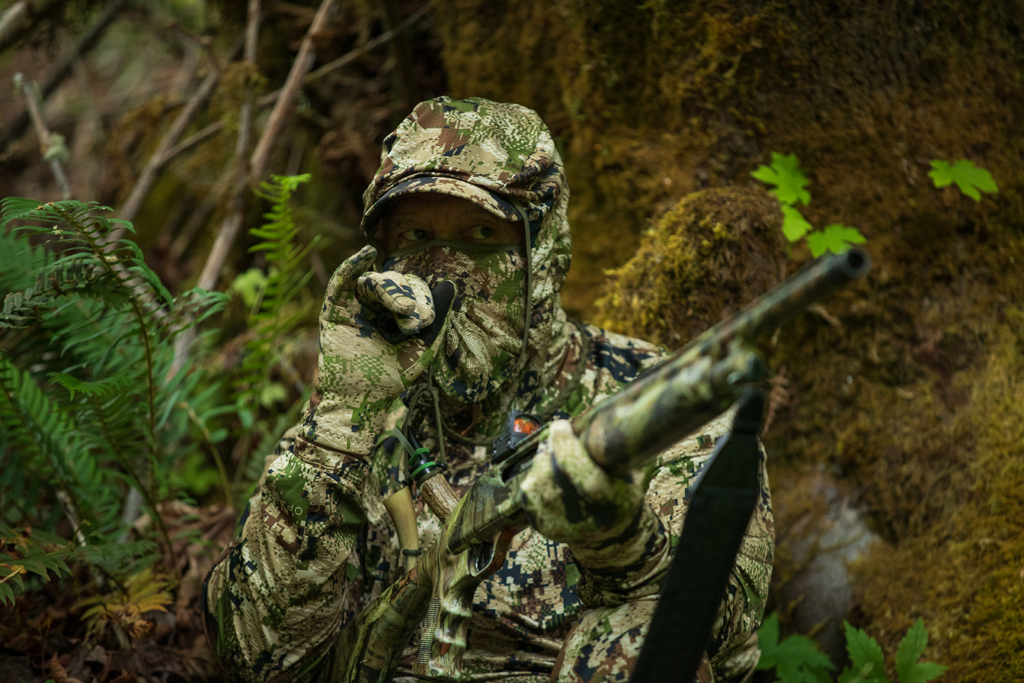
I hunt cougars in dense, thick cover. This is contrary to most predator setups. Most predator hunters prefer an open landscape so they can see predators coming from a long distance. However, I’m not calling coyotes. I’m hunting lions in the Pacific Northwest, within the Cascade Mountains, Coast Range, and valley floors. The cover is thick.
The shot on the latest cougar came at 48 yards. This is long for the areas I hunt. The cougar I killed before this one dropped at seven paces from where I sat on the ground, blowing a mouth call. The cat ran at me at full speed. I’ve called in other cougars that I’ve caught glimpses of but failed to get shots at. Those cats were all inside 20 yards. Sometimes I only carry a shotgun, prepared for an up-close encounter.
Be it heavily forested hillsides, mountains blanketed in dense reprod, or brush-choked river bottoms, my approach to calling cougars in thick cover continues to take shape as I learn more about them. One thing I am dialed into is the gear.
Cougar Firepower
Relying on gear you have confidence in and can operate quickly is key for close-up, potentially dangerous big-game hunting. When a cat comes in, you need to react, not think.
My rifle of choice is Browning’s X-Bolt 2 Speed, chambered in 6.8 Western. This gun is a tack-driver with Browning Long Range Pro Hunter 175-grain Sierra Tipped Gameking bullets.
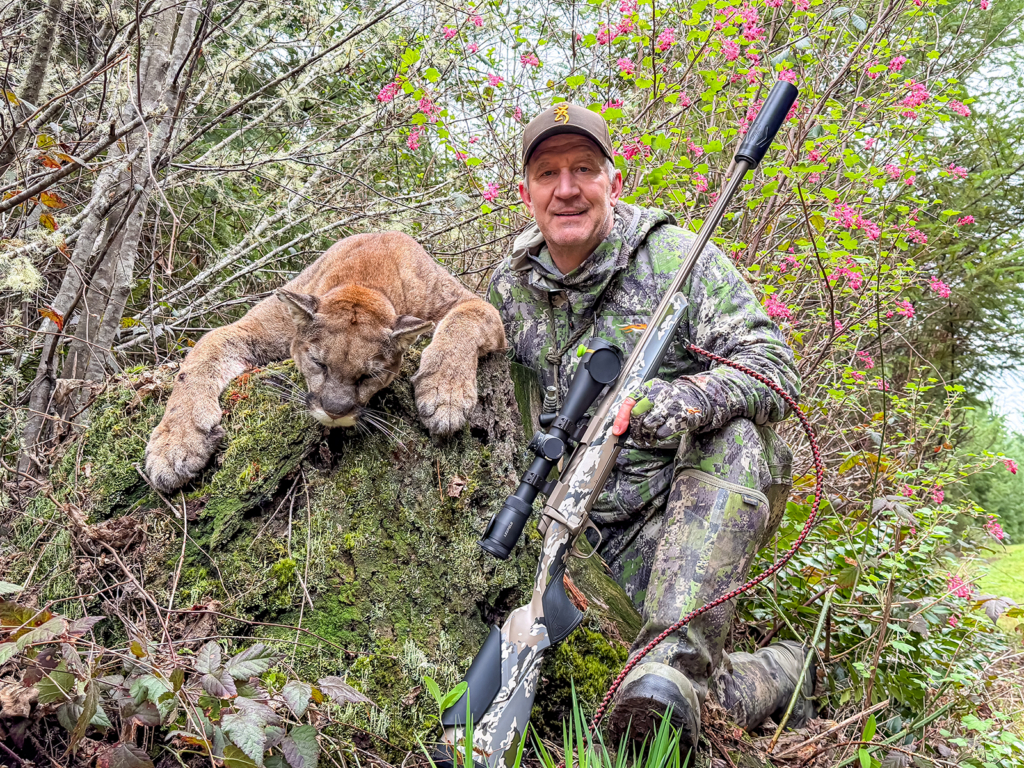
The rifle wears a Silencer Central Banish Backcountry suppressor. Not only does this suppressor greatly reduce recoil on a rifle that already kicks very little, but it also makes every shot quiet. Oftentimes, I’m calling to multiple cougars. Eventually, I’m confident more than one cat will come to my calls, and this suppressor could make the difference between punching one tag or two.
The rifle is topped with a Leupold VX-6HD 3-18×44 scope with a Customized Dial System (CDS) for the specific load. I use this setup for hunting elk, deer, and bear. But when calling cougars, most of the time the scope is set on 3X. The scope’s clarity is impressive, and its ease of adjustment is top-notch. It’s especially great in low light. I’ve shot a lot of game with this scope from North America to Africa, and one of the greatest features is the red FireDot. The red dot makes quick target acquisition simple and precise shooting, easy. Given the heavy shadows and low light conditions where I’m hunting cougars, a scope with an illuminated reticle is an absolute must.
For close-quarter calling, a short-barreled 12-gauge shotgun is essential. Mine is topped with a red dot sight. When targeting cougars, I like 00 buckshot. When cradling the shotgun in my lap, focusing on calling cougars in front of me but knowing they could sneak in from behind, it’s loaded with TSS #2 shot.
Cougar Calls
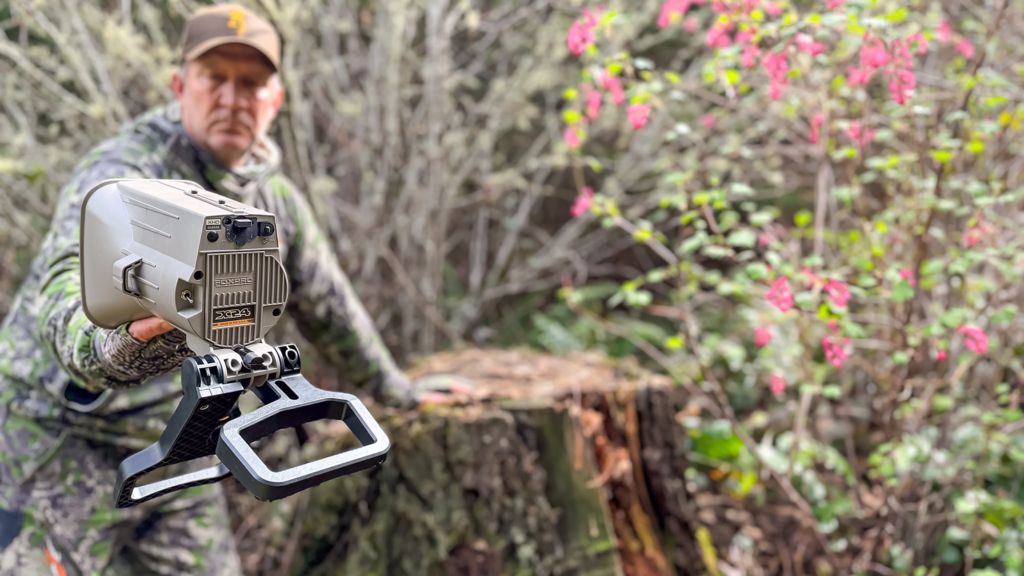
My go-to electronic call is a FoxProX24. This call is loud, crisp, easy to operate, and offers a range of options that cater to my needs. Recently, I sat in a fierce rainstorm for two hours. The call got soaked, but kept working, and continued working the next day and every other day. It comes with a range of exceptional sounds, including cougar sounds.
For handheld calls, I like open-reed models because they let me make a wide range of sounds. From cottontail to fawn bawls, crippled birds to distressed gray fox, to crying calf elk and more, good open-reed calls let you maximize your prey vocabulary.
I used an open-reed handheld to call in a big male cat a few years ago. The call was Slayer’s External Cow Call. Loud, aggressive bird chatter is what brought that cat on the run. I also love the hands-free option of their new Harem Call. This bite-down call is held in your teeth, so you can be in the gun and stop a predator on the move, giving you a shot opportunity you night otherwise miss.
Cougar Trail Cameras
Moultrie’s Edge Series cellular trail cameras are my most important tool for cougar hunting. I’d be lost without them. Given a lion’s extensive 25-square-mile range, calling cougars is a game of chance. With a cellular trail camera, I know where cats are, when, and thus where to set up and call. The last string of cougars I called in was due to timely captures on my Moultrie App, which allowed me to act fast, get set up ahead of the cats, and call.
Not all places I hunt have cell coverage. My non-cell trail camera of choice is a Stealth Cam DS4K Ultimate. These things are workhorses. I’ve had them buried beneath several feet of snow all winter, and come out working. When I lived in Southeast Alaska, where rainfall is measured in feet, not inches, not one of these cameras failed. I set them to the highest-definition setting and the longest capture time possible. Having a cougar, or multiple cougars, sit in front of a trail camera for several minutes, even hours, is not uncommon. I want to gather as much information as I can.
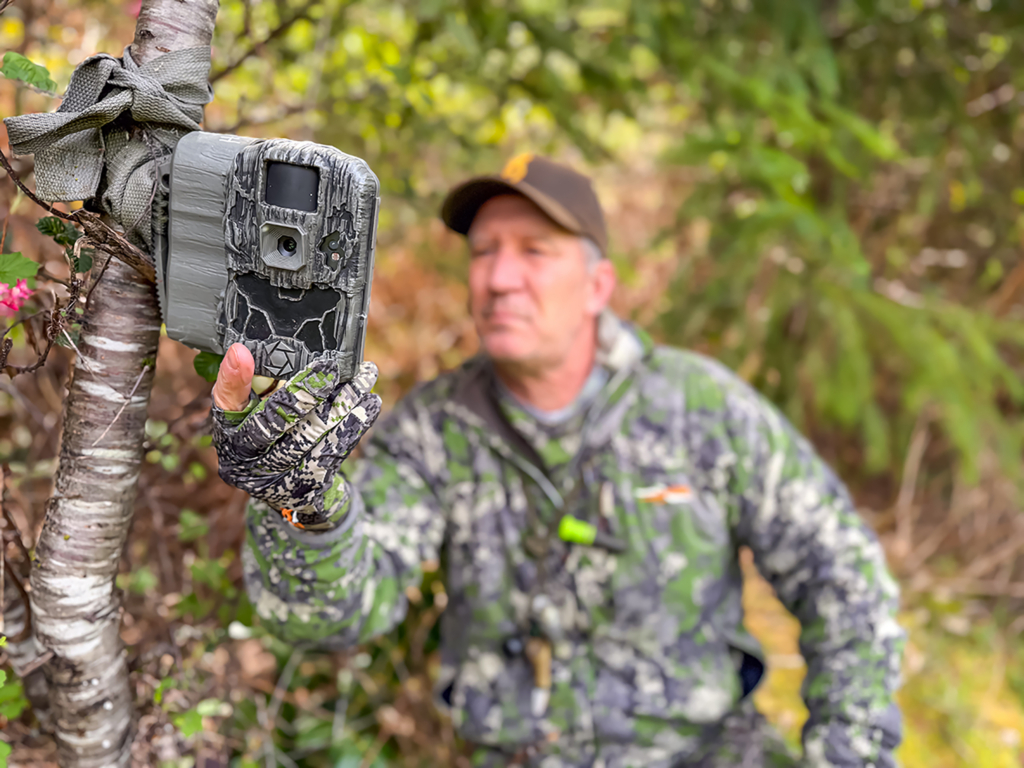
All of my trail cameras are set on video mode. The sounds and sights captured on video far exceed anything still images can deliver. When cats frequent an area, I’ll check the non-cell cameras every day, usually around noon when they’re less likely to be on the move.
Other Cougar Gear
Tripod shooting sticks are a must. Bipods and monopods lack the stability needed to keep the rifle on target while operating calls. I like models with screw-in retractable legs rather than flipper-style legs that get hung up on vines and brush.
As for comfort, an ALPS Mountaineering Weekender chair is a game-changer. This lightweight seat offers much-needed back support. A thick cushion is handy for long sits. I’m often calling in one spot for over an hour, even two, not moving an inch the whole time.
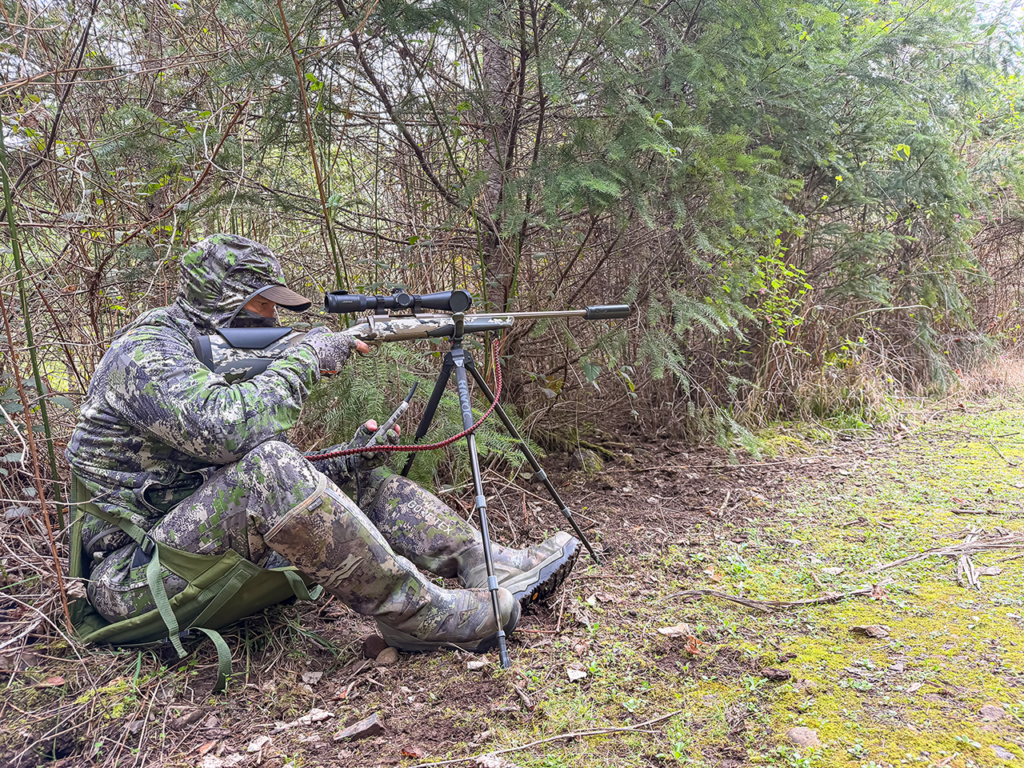
My calls are in a small pack in my truck. The pack is folded into the ALPS chair and clipped to a larger backpack. My rifle and shotgun are also in the truck, ready to go. Even my clothes are organized in a stack in the bedroom, including base layers and socks, so when a cougar pops up on the Moultrie App, I can be changed in seconds and headed out the door. In my truck is rain gear and a selection of tops and jackets. The clothing options change with the seasons.
When it comes to calling brush-country cougars, the more organized you are and the quicker you can get on a cat, the better chance you have of killing it.
Follow Scott’s cougar hunting adventures, and more, on Instagram and Facebook.