Discover why the .308 Winchester, .30-06 Springfield, and 7mm Remington Magnum are trusted caliber choices for versatile hunting experiences.
by Jace Bauserman
If you spend enough time around hunters—at camp, at the range, or just scrolling through forums—you’ll hear the same debate come up again: what’s the best all-around big-game caliber? Everyone’s got an opinion, and most of them are shaped by where they hunt, what they hunt, and what they grew up shooting.
I’ve hunted long enough to know there’s no such thing as a perfect caliber. But there are a few that flat-out work year after year across a wide range of game and conditions. These are the calibers that give you confidence when the tag in your pocket could turn into anything from a whitetail at 60 yards in thick timber to an elk across a windy basin.
For me, three calibers rise above the rest when we’re talking true, general-purpose big-game hunting: the .308 Winchester, the .30-06 Springfield, and the 7mm Remington Magnum. They’ve stood the test of time, they’re widely available, and most importantly, they flat-out get the job done.
Are there other calibers that I love? Of course. However, I’m also considering calibers that hunters can walk into any sporting goods store across the country and find a litany of ammo options in various grain weights.
.308 Winchester: The Practical Workhorse
If you forced me to pick one caliber that balances performance, shootability, and practicality better than most, the .308 Winchester would be right there at the top.
There’s nothing flashy about the .308. It doesn’t scream speed or long-range dominance. What it does is deliver consistent, dependable performance in a package that’s easy to shoot well. And that matters more than most hunters want to admit.
Recoil is moderate. Not light, but manageable for just about any shooter who spends time behind the rifle. That means better shot placement, especially in real hunting scenarios where you’re dealing with awkward positions, cold weather, and adrenaline. I’ve seen too many hunters develop a flinch chasing bigger cartridges when they’d have been far better off sticking with something like the .308.
Where the .308 really shines is versatility within reasonable distances. With bullet weights typically ranging from 125 to 180 grains, it can be tailored for everything from pronghorn and whitetail to black bear and elk. Load it with a quality 150- or 165-grain bullet, and you’ve got a do-it-all setup for most North American big game.
It’s also incredibly efficient. Short-action rifles chambered in .308 are typically lighter, more compact, and easier to handle—something you’ll appreciate when you are side-hilling in steep country or slipping through thick timber.
Another big advantage is ammo availability. You can walk into just about any sporting goods store in the country and find .308 ammo on the shelf. And not just one or two options. Instead, you’ll find a full lineup of bullet types and weights. That matters when you travel or when supply gets tight.
Now, the trade-off. The .308 doesn’t carry as much energy or velocity as some larger or faster cartridges. Once you start pushing past 400 yards, you need to be very aware of bullet drop and wind drift. That doesn’t make it ineffective. Rather, it just means you need to know your limits and stay within them.
Inside those limits, though, the .308 is tough to beat. It’s accurate, forgiving, and deadly when you put the bullet where it belongs.
.308 Win: Field Work
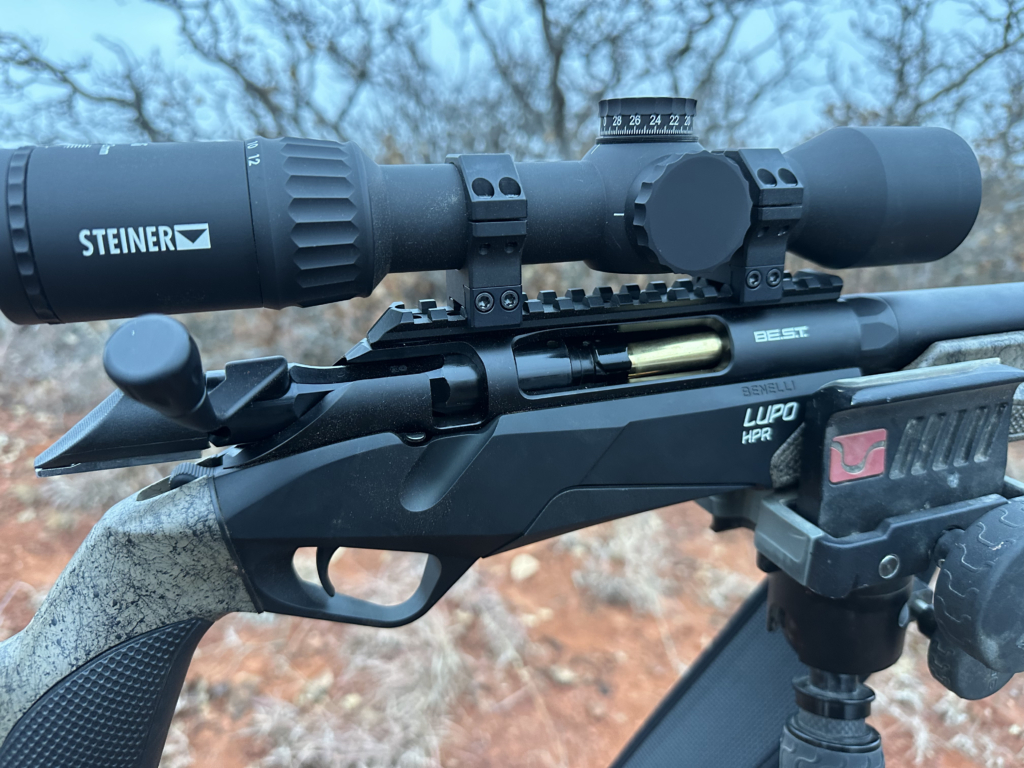
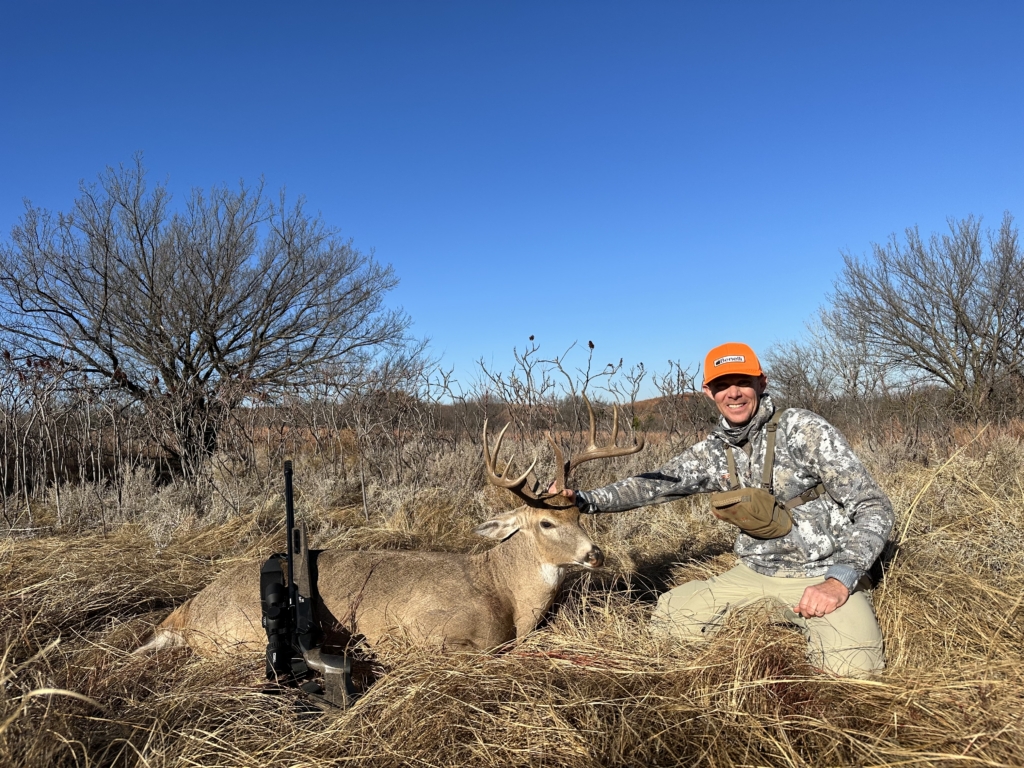
In 2023, I took Benelli’s LUPO HPR BE.S.T. in .308 to western Oklahoma on a whitetail hunt. The country was open, with more grass and dense plum thickets than trees. Agricultural fields stretched for miles in every direction. Four hours into my first morning, I rattled in a magnificent 10-point. I firmly believe the buck would have sprinted into archery range, but I wasn’t going to let him. The wind was iffy. I yelled at the buck to stop him. The range was 276 yards, and the 180-grain Norma Bondstrike bullet dropped the buck in his tracks.
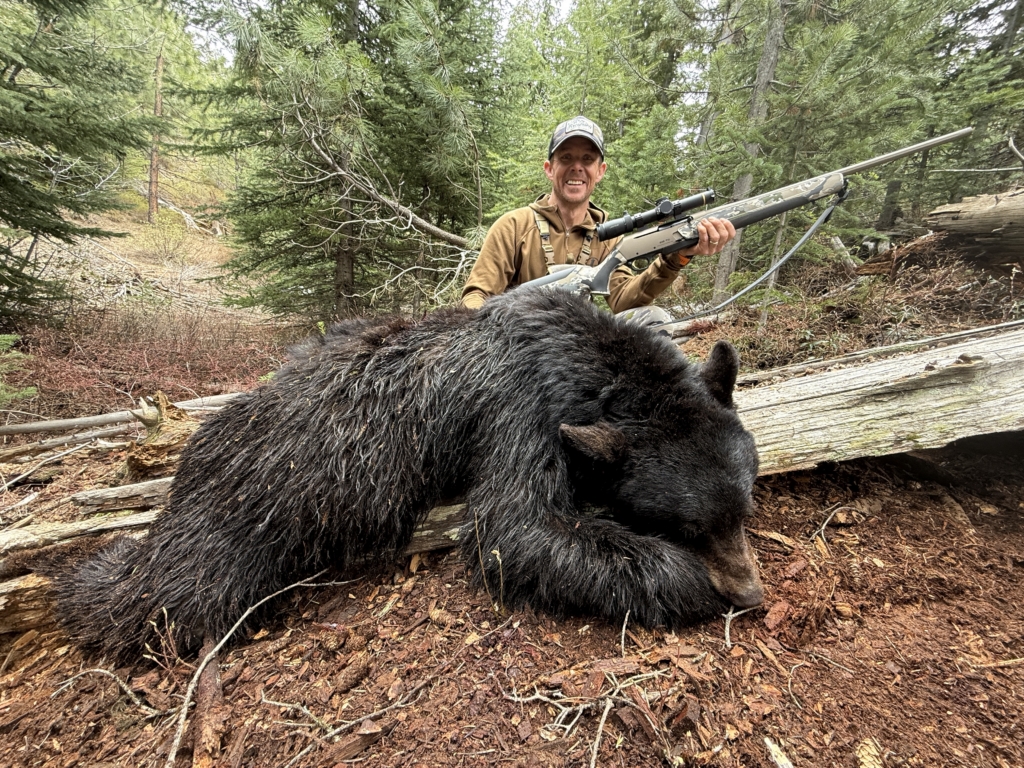
In 2024, I took Browning’s BAR MK 4 Ovix semi-automatic rifle chambered in .308 to Idaho for black bear. A big old sow drug my buddy Keedin Denny, me, and his fine pack of hounds up and down hellish terrain for six hours. Finally, the wise old sow went up a tree. The compact, lightweight BAR MK 4 shouldered quickly, and resting my support elbow on my knee, I made a perfect hit. The bear was dead before it hit the ground. It’s awfully hard to ignore the .308 when searching for a do-all big-game rifle.
.30-06 Springfield: The Gold Standard
There’s a reason the .30-06 Springfield has been around for over a century and is still one of the most popular hunting cartridges in the world. It works. Plain and simple.
If the .308 is the practical workhorse, the .30-06 is the do-it-all legend. It offers a noticeable step up in velocity and energy while remaining manageable for most hunters.
What sets the .30-06 apart is its flexibility. Bullet weights range from around 130 grains all the way up to 220 grains. That’s a massive spread, and it allows you to fine-tune your setup for just about any animal you might chase.
For deer-sized game, a 150- or 165-grain bullet delivers flat trajectories and plenty of terminal performance. Step up to a 180- or 200-grain bullet, and you’ve got a serious elk, moose, or bear load that penetrates deep and hits hard.
I’ve always appreciated how forgiving the .30-06 is in the field. It gives you a little more margin for error compared to smaller cartridges. Not because it makes up for bad shooting—it doesn’t—but because it carries more energy downrange and drives heavier bullets through bone and muscle with authority.
Recoil is more noticeable than the .308, but it’s not punishing. Most hunters can handle it just fine with a properly fitted rifle and a little practice. And like anything else, familiarity goes a long way.
Another advantage is its performance across varying distances. The .30-06 has enough velocity to remain effective beyond 400 yards in capable hands, while still being perfectly suited for close-range encounters in thick cover.
Rifle options are nearly endless. Every major manufacturer offers chambers for the .30-06, from lightweight mountain rifles to heavier, long-range setups. Ammo availability is just as strong. Like the .308, you’ll find it almost anywhere hunting gear is sold.
If there’s a downside, it’s that the .30-06 doesn’t truly excel in any one category compared to more specialized cartridges. It’s not the flattest shooting, not the hardest hitting, and not the lightest recoiling. But it does everything well, and that’s exactly why it’s endured.
For the hunter who wants one rifle and one caliber to cover nearly every big-game scenario, it’s hard to argue against the .30-06.
.30-06-Sprg: Field Work
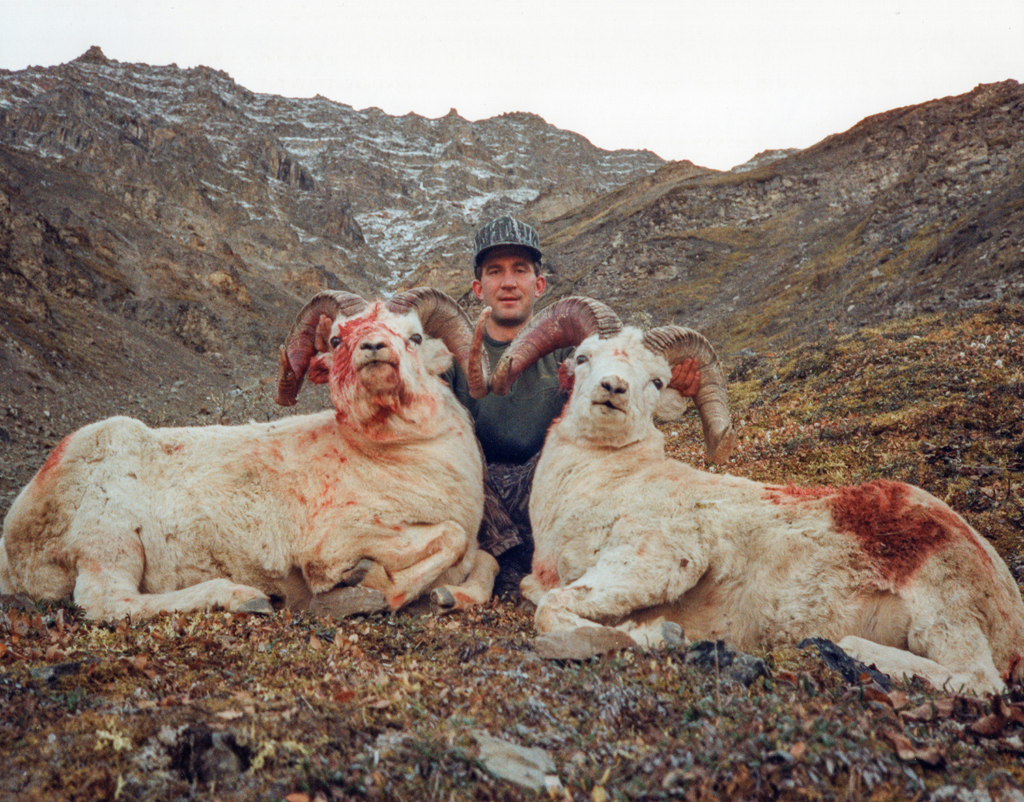
My good friend, BH contributor, and outdoor legend Scott Haugen, lived a subsistence lifestyle in a remote area of Alaska for seven years. During that time, Haugen used his .30-06 to harvest Dall sheep, caribou, and other big-game species. Haugen also, using 220-grain handloads, killed a man-eating polar bear with a single shot. The .30-06 will do whatever you ask of it. Keep your shots on larger big-game inside of 450 yards, experiment with different bullets and bullet weights, and you’ll be ready to fill any tag, any time.
7mm Remington Magnum: Reach and Precision
When the conversation shifts toward longer shots and open country, the 7mm Remington Magnum earns its place in a hurry.
This is a cartridge built for reach. It shoots flatter, carries energy farther, and bucks the wind better than both the .308 and the .30-06. If you spend time hunting western landscapes where getting close isn’t always an option, the 7mm Rem Mag starts to make a lot of sense.
Typical bullet weights range from 140 to 175 grains, and thanks to high ballistic coefficients, those bullets hold velocity extremely well. That translates to less drop and less wind drift at longer distances, which gives you a bigger effective window when conditions aren’t perfect.
I’ve used the 7mm Rem Mag in situations where closing the distance just wasn’t possible without blowing the opportunity. When you’ve got a steady rest, a dialed rifle, and you’ve done your homework, it’s a cartridge that inspires confidence.
It’s not just a long-range tool, either. With the right bullet, it performs very well on elk-sized game and even larger species of North American big game, such as moose. Penetration is excellent, and the combination of velocity and bullet design creates devastating terminal performance.
That said, the 7mm Rem Mag does come with trade-offs.
Recoil is sharper than both the .308 and the .30-06. It’s not unmanageable, but it’s enough that some shooters struggle to stay consistent without proper practice. Muzzle blast is also more pronounced, especially in shorter barrels.
Rifle weight can be a factor, too. Many 7mm rifles are built a bit heavier to help manage recoil, which may or may not matter depending on how and where you hunt.
Ammo is widely available, but typically more expensive than .308 or .30-06. You’ll find plenty of options, but you’ll pay a bit more per box.
The biggest thing with the 7mm Rem Mag is this: it rewards disciplined shooters. If you’re willing to put in the time to understand your ballistics, practice at distance, and shoot from real-world positions, it gives you an edge in situations where other cartridges start to fall off.
7mm Rem Mag: Field Work
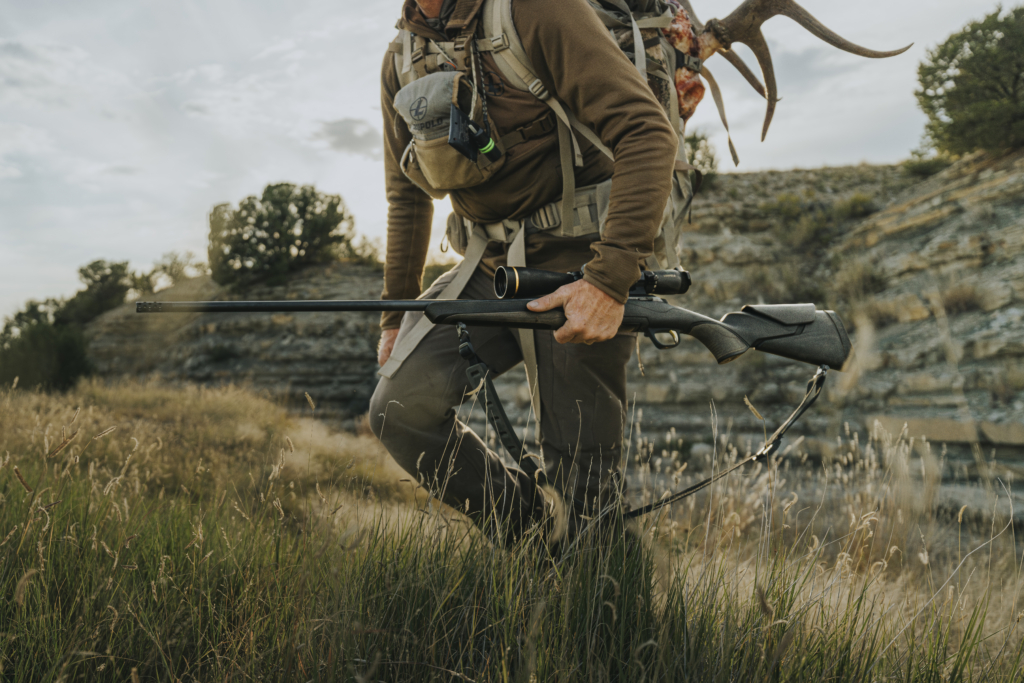
Getting close wasn’t an option. The New Mexico light was fading, and the 6×6 bull wasn’t going to get any closer. I’d put in a lot of time behind my X-Bolt 2 Hunter Composite chambered in 7mm Rem Mag. I’d banged 6-inch-diameter steel plates at 800 yards before the hunt. The CDS-SZL2 Elevation Dial on my Leupold VX-6HD Gen 2 scope was built for the rifle/bullet combo’s exact muzzle velocity, bullet weight, and environmental conditions.
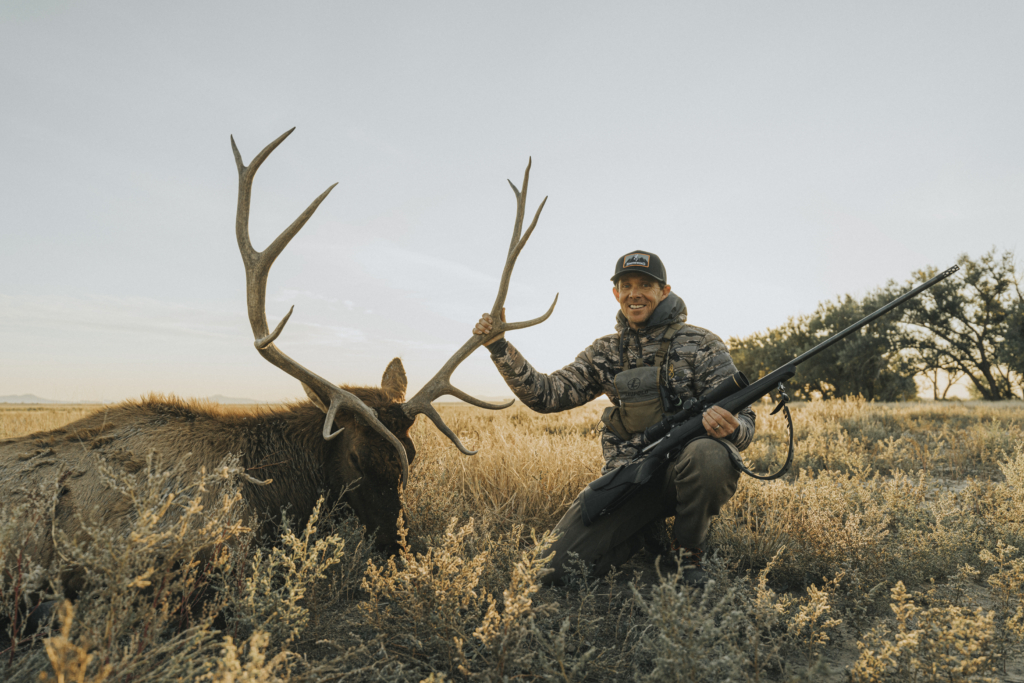
The shot wasn’t long by western big-game standards but was close to 400 yards. Shot placement had to be perfect. Legal light was minutes away, and we were near the fence line of a neighboring property. It was critical that the bull drop in his tracks or travel a short distance. My shot was a touch back, and the bull walked less than 100 yards before tipping over. I’ve shot multiple elk with various 7mm Rem Mag rifles. I love the caliber. It’s a Western big-game staple and deserves its place in the top three.
Sidebar: 6.5 Creedmoor — A Modern Medium-Game Standout
The 6.5 Creedmoor deserves a seat at the table.
There’s no denying what the 6.5 Creedmoor has done over the last decade. It went from a niche cartridge to one of the most popular rounds in the country, earning that reputation for accuracy, efficiency, and shootability.
Where the 6.5 really separates itself is low recoil and high ballistic efficiency. It’s a cartridge that’s easy to shoot well, plain and simple. That matters for new hunters, smaller-framed shooters, and anyone who wants to spend more time behind the rifle without getting beat up.
Typical bullet weights run from 120 to 143 grains, and those bullets tend to have excellent ballistic coefficients. That means the 6.5 punches above its weight in maintaining velocity and resisting wind drift. In practical terms, it’s very capable at moderate to extended ranges on deer-sized game.
On whitetails, mule deer, pronghorn, and similar-sized animals, the 6.5 Creedmoor is flat-out deadly. With a well-constructed bullet and proper shot placement, it delivers clean, efficient kills with minimal recoil and excellent accuracy.
Where I draw the line and where I think a lot of hunters need to be honest with themselves is on larger game like elk. Can the 6.5 Creedmoor kill elk? Absolutely. It does it every year. But it leaves less margin for error than something like a .308, .30-06, or 7mm Rem Mag. Shot placement becomes even more critical, and bullet selection matters a lot more.
That’s why I look at the 6.5 Creedmoor as a specialized generalist. It’s an outstanding choice for medium-sized big game and a great option for hunters who prioritize precision and low recoil. It can stretch into a larger game with the right setup and discipline—but it’s not as forgiving when things aren’t perfect.
Ammo availability is excellent, recoil is minimal, and accuracy is typically outstanding right out of the box. For a lot of hunters, especially those focused on deer-sized game, it’s more than enough rifle.
6.5 Creedmoor: Field Work
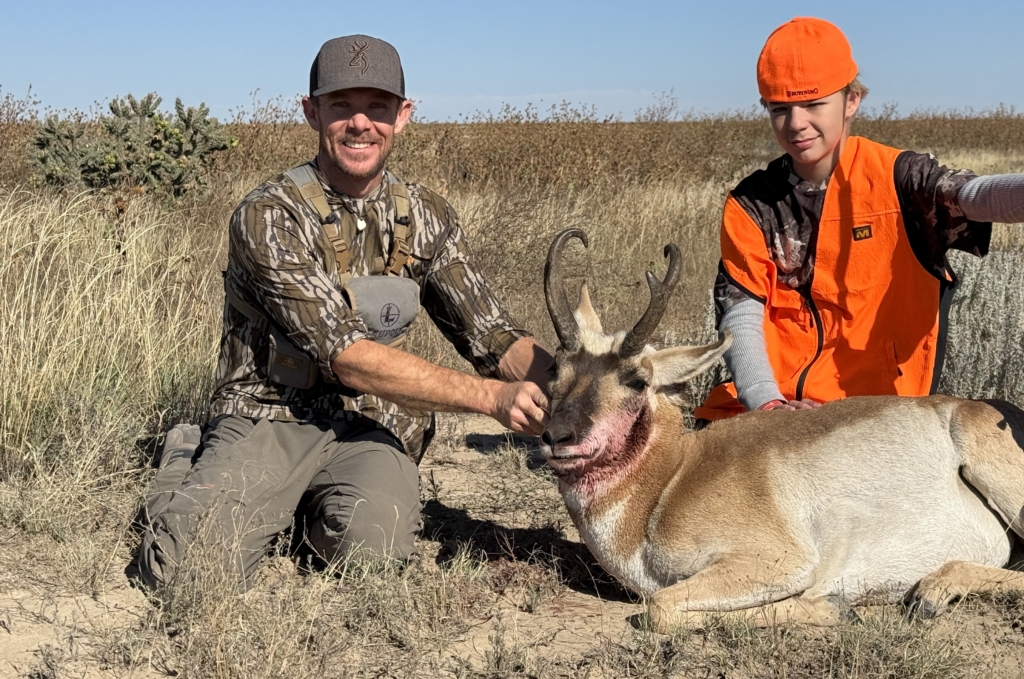
My youngest son, Brody, was 12 when he harvested his first big-game animal. That animal was a pronghorn, and Brody, soak-and-wet, weighed 70 pounds. He’s still small for his age. Kimber’s Hunter Pro Desolve Black chambered in 6.5 Creedmoor sent a single Federal Fusion 140-grain Soft Point into the buck’s lungs from 389 yards. Brody is a crack shot. He feels no pressure, and he put the bullet right where it needed to be in a 6-mile-per-hour crosswind off a set of BOG shooting sticks.
Choosing What’s Right for You
At the end of the day, the “best” caliber is the one you shoot well and have confidence in. That’s not a cop-out answer—it’s the truth.
You can have the flattest-shooting, hardest-hitting rifle in the world, but if you can’t put the bullet where it needs to go when it counts, none of that matters.
If you’re a hunter who values simplicity, manageable recoil, and a compact rifle, the .308 Winchester is tough to beat. It’s efficient, effective, and incredibly user-friendly.
If you want maximum versatility and a little more horsepower without stepping into magnum territory, the .30-06 Springfield is about as well-rounded as it gets. It’s the definition of a one-rifle solution.
And if your hunting regularly takes you into wide-open country where longer shots are part of the equation, the 7mm Remington Magnum offers the reach and performance to handle those situations with confidence.
And sitting just off to the side, the 6.5 Creedmoor continues to prove that mild recoil and precision can go a long way—especially on medium-sized game.
I’ve spent enough seasons in the field to know that gear matters, but it doesn’t matter as much as we sometimes think. Any of these cartridges, paired with a quality bullet and a hunter who knows their limits, is more than capable of cleanly taking big game.
Pick the one that fits your style of hunting, spend time behind the rifle, and learn exactly what it does at the distances you’re willing to shoot.
Do that, and you won’t be worrying about whether you chose the “best” caliber. You’ll already know you did.