Lots of jakes mean lots of to-come two-year-old gobblers, but too many can disrupt the breeding cycle.
by Jace Bauserman
I’m not fond of bullies. I’ve dealt with them my entire life, and while most are full of nothing more than hot air, that hot air starts to cut you after a time.
None of the bullies I’ve dealt with over the years had any toughness. All were Charmin-tissue soft, but together, they could be a problem.
It’s the same in the turkey woods. A jake by himself is nothing. That same jake with six others, becomes something more problematic.
How?
Like human bullies, jakes feel stronger in groups. The larger the group, the more they want to bully. In nature, a tom wants to gobble, strut, and draw hens to him. It’s a magnificent display of courtship, and I’m blessed to watch it play out yearly in the springtime woods.
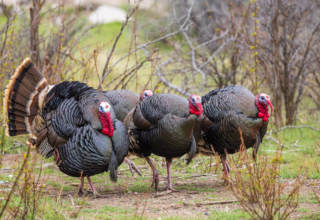
This year, on my home property in Colorado, things are different. Two weeks prior to the season opener, my Zeiss Victory SFL 10×50 binos and new-for-2026 Zeiss Conquest Apia 65 20-50x spotting scope showed 12 hens, four toms, and 27 jakes. It was obvious we had a banger 2025 hatch, and for one reason or another, every jake on the timbered river bottom concentrated in one area.
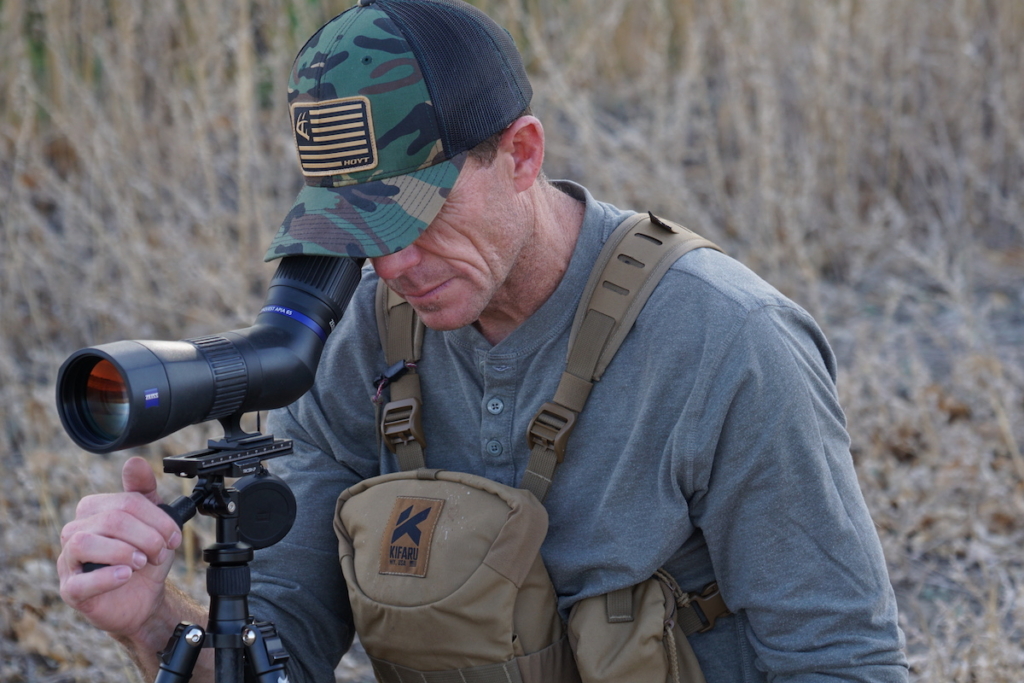
This was new to me, and at first, I was elated. Those 27 jakes, minus a few that will fall to predation and lead #5s, are next year’s two-year-old birds. My attitude quickly changed.
A student of the game, and a personal believer that spring mornings, even when turkey season is closed, shouldn’t be missed, I spent several mornings and evenings watching the early-spring flock. The jakes bullied every single longbeard they could. It got to the point, two days before the season opener, that none of the four toms would strut or gobble. They knew that when they did, a gang of jakes, which was now three separate groups, would come to harass them. Multiple times, I watched groups of nine or more jakes wrestle mature gobbles to the ground.
Rewind To Fall
I occasionally take part in our fall turkey season. Typically, though, I’m far more consumed with pronghorn, elk, and deer to pay fall turkeys much attention. However, this large jake group deserves a rewind to better understand how the mob formed and why they’re still together.
Jakes team up with other jakes during the fall and winter. While it’s not uncommon to see a few sprinkled amongst hen groups, it’s rare to see a jakes running with a fall flock of gobblers. Jakes band together in the fall for multiple reasons; the biggest being survival.
Each bird in the flock has had different life experiences, and the flock uses those experiences to find food, evade predators, and, if they remain together during the spring, outnumber breeding toms.
When I first saw this group in the fall, they were two miles downriver, and there were 13 of them. I’m sure they picked up new members as they grew from poults into juvenile birds. What I did learn is that, unlike other groups of jakes I’ve encountered, this group didn’t break up.
As spring progressed, the group split into thirds, but they were never far apart. Like bands of teenagers, they roamed without adult supervision, disrupting toms and hens. Toward evening, the mob would always join—27 strong—feed for an hour and fly into the roost.
Back To Spring
Typically, I hunt my home farm several weeks into turkey season. I spend most of early April traveling, chasing the turkey rut in other states.
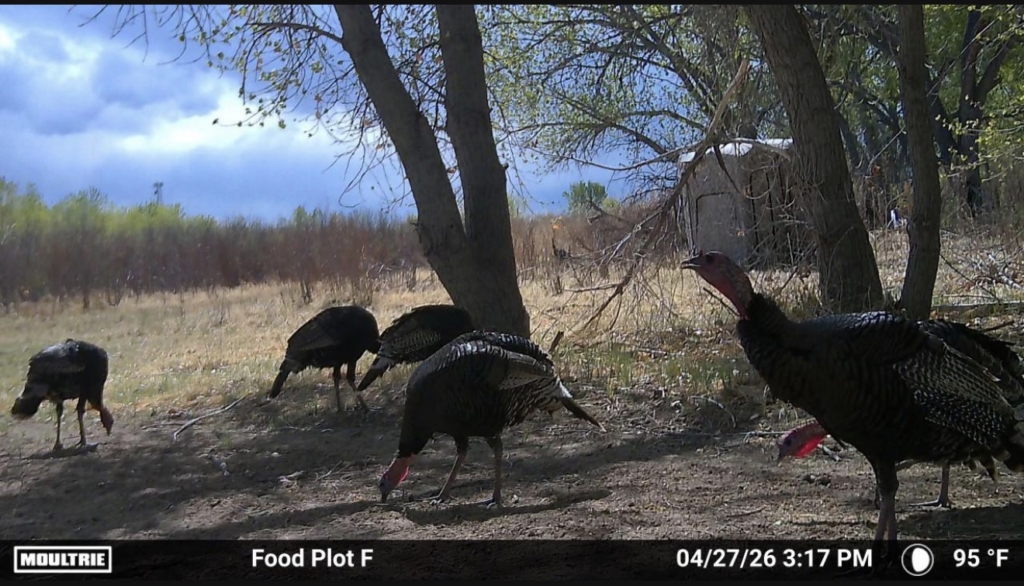
This year, upon my return, an evening scouting venture turned up 27 jakes, two hens, and two toms. Hours of Moultire trail camera video showed jakes chasing hens, fighting with toms, and harassing each other.
What Does This Mean?
While having lots of jakes is a good thing for future turkey seasons, it can be very disruptive to the current breeding cycle. Gangs of jakes move hens out of an area and harass gobblers so much that those gobblers either flee an area or take on a submissive attitude.
If you hunt a small property as I do, this is a very bad thing.
Jakes are young, fired up, and eager to prove themselves. Put a handful of them together, and you’ve got a reckless, competitive group that doesn’t understand the pecking order the way mature birds do. Instead of falling in line behind dominant toms, they challenge everything. On a large tract of land, their impact is less significant. On a small property, it becomes a full-blown disruption.
Here’s the biggest issue: jake gangs don’t respect boundaries, social or physical. When a mature tom starts working a group of hens, and those hens start moving toward the tom or vice versa, jakes rush in as a pack and spoil the party. They’ll cut off strutting birds, bump hens, and otherwise ruin potential breeding activity.
Longbeards and hens get annoyed with this. Hens typically move, while longbeards may stay and fight, but they, too, get exhausted with the constant harassment.
Morning #1: The Jake Experiment
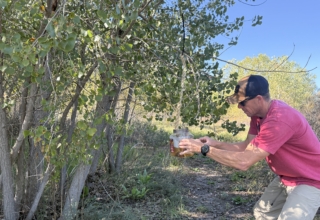
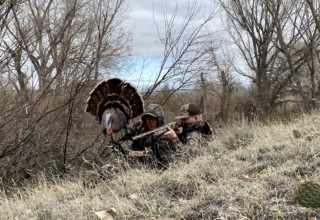
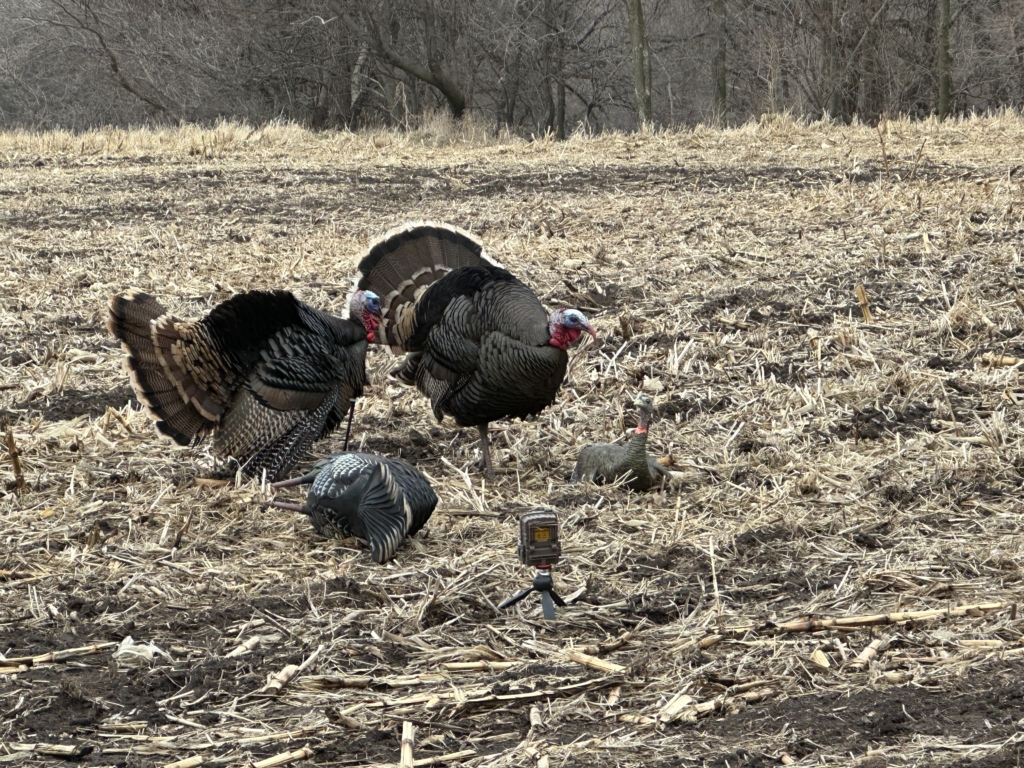
I conducted an experiment on the first morning I hunted my home turkey turf. My cellular cameras had been shut off for 72 hours to comply with Colorado law, and because I planned to start hunting, I didn’t replace them with digital cameras. I did, however, put a full-strut tom decoy on a field edge with three hen decoys. Next to the full-strut decoy, I placed Browning’s Strike Force Pro DCL Nano. This camera is small, bulletproof, and captures amazing video.
I made a second set, 15 yards from my hub-style ground blind. At this location, I placed a DSD 3/4 Strut Jake, Upright Hen, and Mating Hen. I could have shot 13 jakes that morning. All came to the jake decoy, but rather than ganging up on him, accepted him into their click. They did try having their way with the hen decoys, however.
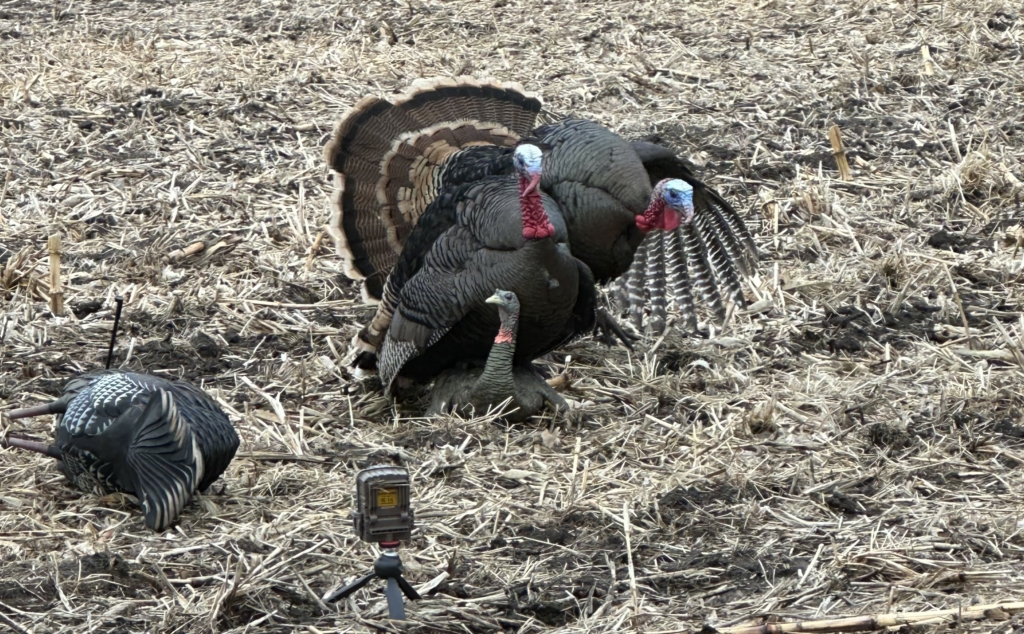
At noon, I exited the blind, walked to my truck, and drove to the field edge set. The tom decoy was on its side, and four jakes were strutting less than 12 yards from it. Upon further inspection, the decoy’s flocked portion showed severe pecking, and the jakes became so violent that they chipped paint off the decoy’s head.
A Time To Kill?
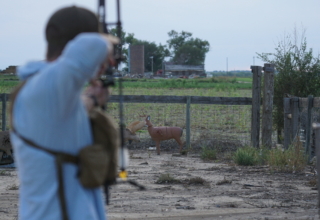
I don’t have mixed feelings about shooting jakes. I kill 80 percent of my spring turkeys with archery gear, and if the mood strikes me, I’ll rope a jake in a heartbeat. However, this particular property is different. I have three kids who hunt it as well as some friends. All will be thrilled with jakes. Normally, I have a strict “no jake rule” on this property because it’s so small and usually holds only a few turkeys. This year, a few jakes need to die.
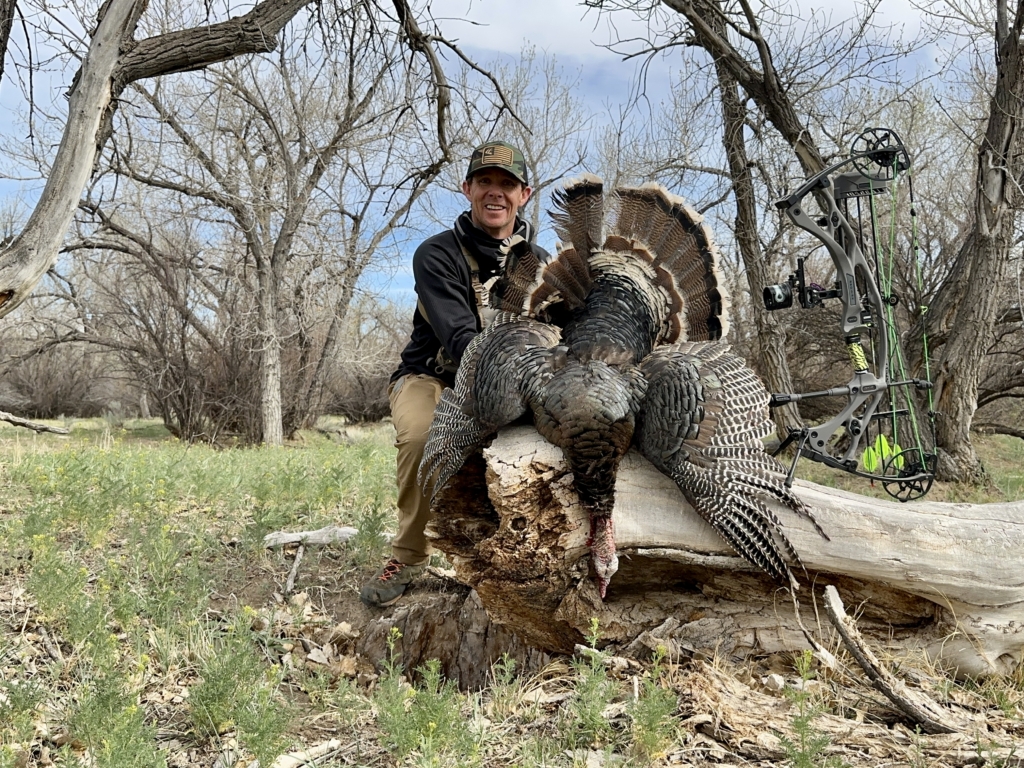
I did some extra research, and while opinions vary, many wildlife biologists and turkey specialists believe that if a property, especially a small one, has too many jakes, it’s worth killing a few of them. If the jakes are moving hens and dispersing toms, breeding will be affected, which will delay and possibly prevent hens from being bred.