Why the OG aluminum Easton XX75 might be exactly what modern bowhunters need again.
Lighter arrows along with lighter bows, packs, and wallets.
Well…maybe not that last one.
I’ve been chasing deer with a bow for more than fifty years, and if there’s one thing the woods have taught me, it’s that the latest trend usually comes with a receipt. Sometimes you don’t realize what it cost until 20 years later.
Case in point?
The humble aluminum arrow.
Mention an Easton XX75 around today’s campfire, and you’ll get one of two reactions. The younger crowd looks at you the same way they’d look at someone carrying a flip phone. The older guys lean back in their chairs, grin into their coffee with glossy eyes, and start telling stories about hemlock swamps, November mornings, and broadheads that required actual sharpening.
Those weren’t bad days.
Truth be told, neither are these.
Today’s equipment is incredible. Modern compounds like the Hoyt RX-10 are engineering marvels. The RX-10 boasts a carbon riser, precision cams, and efficient limbs. And, of course, accessories have drastically improved. Today we have better strings, better rests, better sights, quivers…you get the idea.
Everything has improved.
Everything except our willingness to question whether every trend is actually progress.
Remember When Straight Meant Straight?
Back when the XX75 ruled the deer woods, nobody spent much time talking about dynamic spine calculators, micro-diameter shafts, or twelve different carbon weave technologies. Rather, the process worked like this:
- You bought the correct spine
- Cut them
- Installed inserts
- Screwed on broadheads
- Went hunting
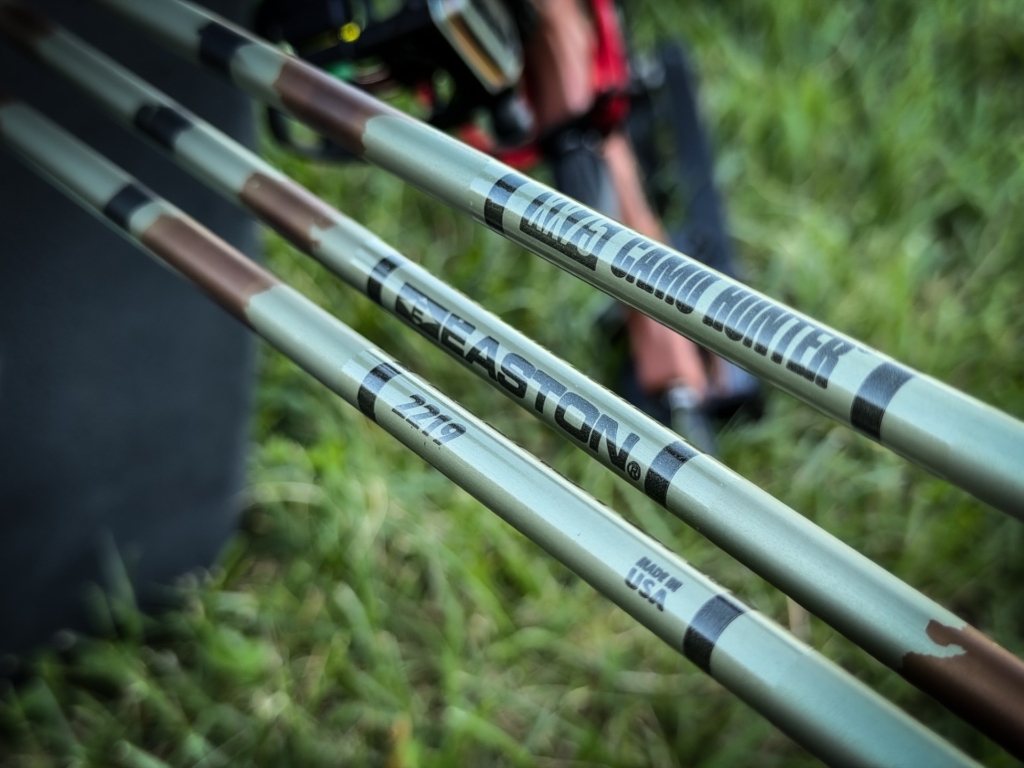
That’s pretty simple. Better yet, the simple system worked. The arrows shot really well. Easton’s XX75 built its reputation because it offered something hunters and archers desperately wanted: consistency.
Here’s what Easton goers received when they dropped money on the XX75:
- Every shaft weighed nearly identical
- Every shaft spun beautifully
- Every shaft grouped where it was supposed to
- That’s not nostalgia talking. That’s metallurgy
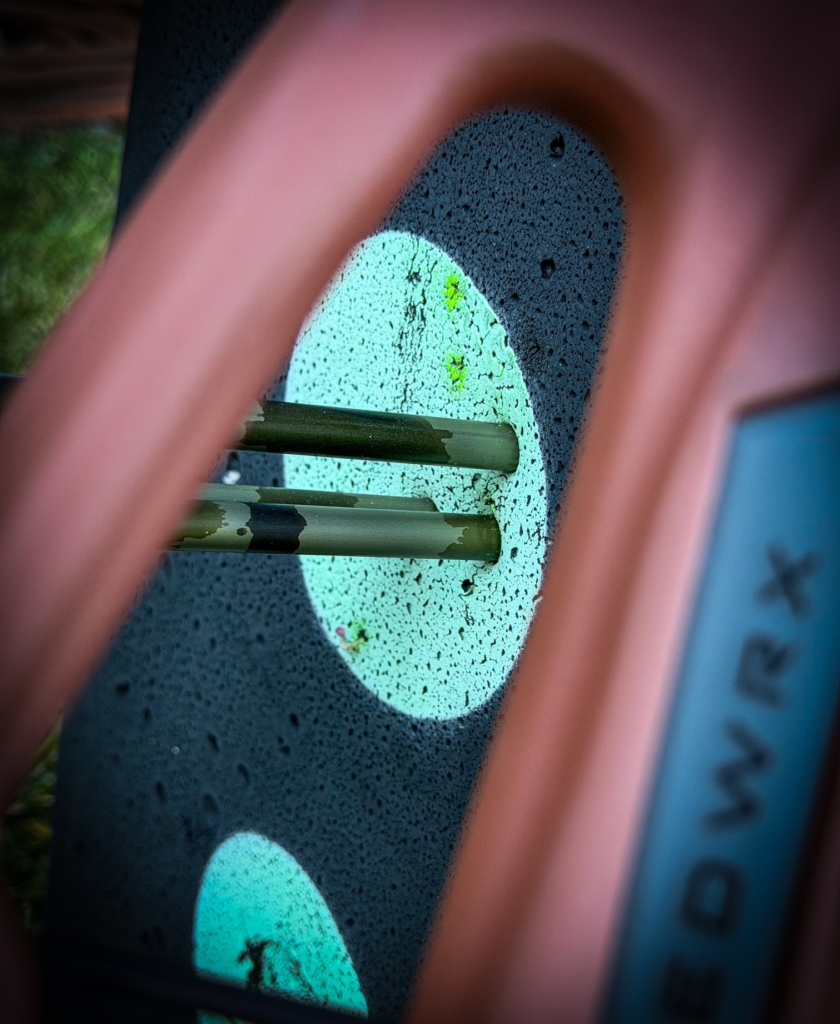
Aluminum is remarkably uniform. One shaft behaves almost exactly like the next. Weight tolerances are exceptionally tight. Concentricity is outstanding. Straightness isn’t a marketing slogan. It’s measurable. That consistency translates directly into accuracy. Always has.
Carbon Changed Everything…Almost
Don’t misunderstand me, carbon arrows deserve every bit of praise that they’ve earned. Carbon arrows are tough, light, fast, and available in enough diameters to confuse a civil engineer. But somewhere during carbon’s rise to dominance, speed became the headline while efficiency quietly slipped into the background.
Everybody started chasing chronograph numbers—five feet per second here—eight feet per second there. Pretty soon, hunters were spending another hundred dollars to gain enough speed that a deer couldn’t tell the difference.
The deer certainly couldn’t.
Physics couldn’t either.
Heavy Isn’t Old Fashioned
One of the funniest things I’ve watched over the past decade is the “heavy arrow movement.” Hunters discovered momentum, and manufacturers started advertising high FOC. Everyone suddenly became fascinated with penetration.
I just smiled.
Welcome back.
The aluminum arrow never really left.
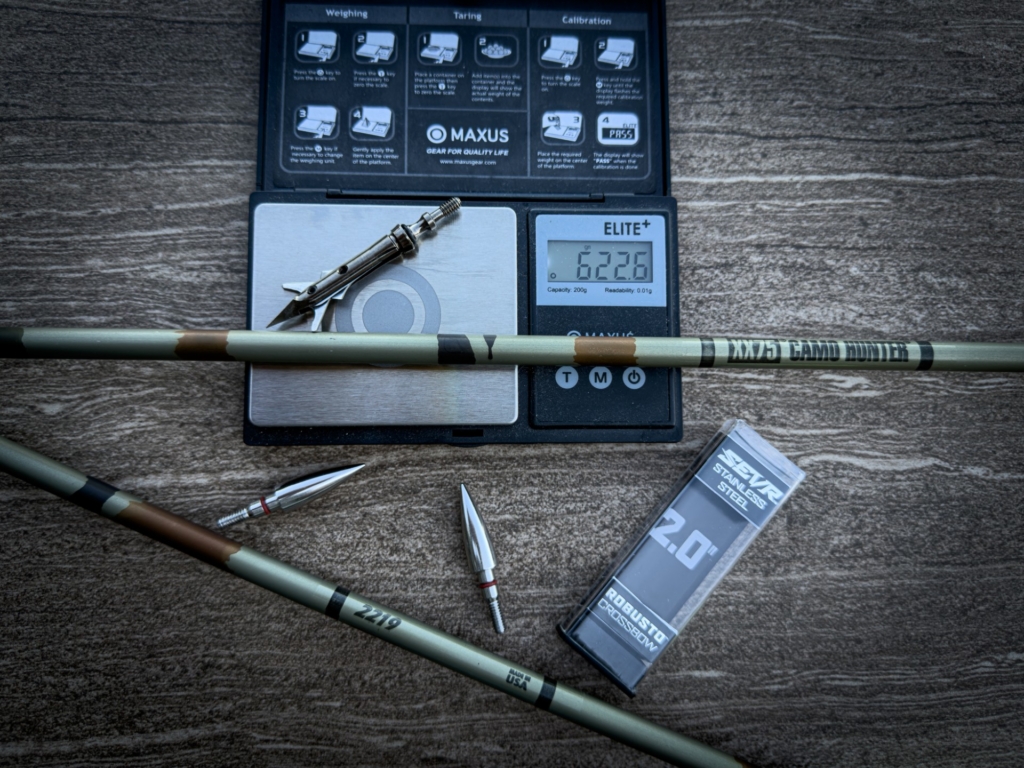
You see, weight isn’t the enemy; poor efficiency is. Launch a properly spined XX75 from a modern bow like the Hoyt RX-10 and something interesting happens. Suddenly, the bow settles down, the shot is quieter, and the string loses that slight and sharp crack. Instead of wasting energy, more of that energy goes into the arrow. That’s just physics, not marketing.
Quiet Kills
Ask any seasoned whitetail hunter what sound they hate hearing.
It’s not a squirrel.
It’s not another hunter.
The hollow “thwack” of a bow that sounds like somebody slapped a two-by-four against a tree makes the hair on their arms stand up. Whitetails hear things we don’t, which makes “loud” even more complicated.
The good news is that modern compounds are wonderfully quiet. However, when you add a heavier arrow, they become deadly quiet. That extra mass acts like a flywheel as it leaves the bow. Instead of letting excess energy bounce around the limbs, cams, and string, the arrow carries more of that energy downrange.
That means:
- Less vibration
- Less hand shock
- Less noise
Your shoulders and bow arm will appreciate it.
Kinetic Energy Isn’t Everything
We’ve become obsessed with kinetic energy charts. That’s because they are useful. However, momentum (retained kinetic energy) deserves a seat at the same table. A heavier hunting arrow keeps moving. It maintains authority through hide, ribs, muscle, and the occasional shoulder blade that didn’t read the shot placement article.
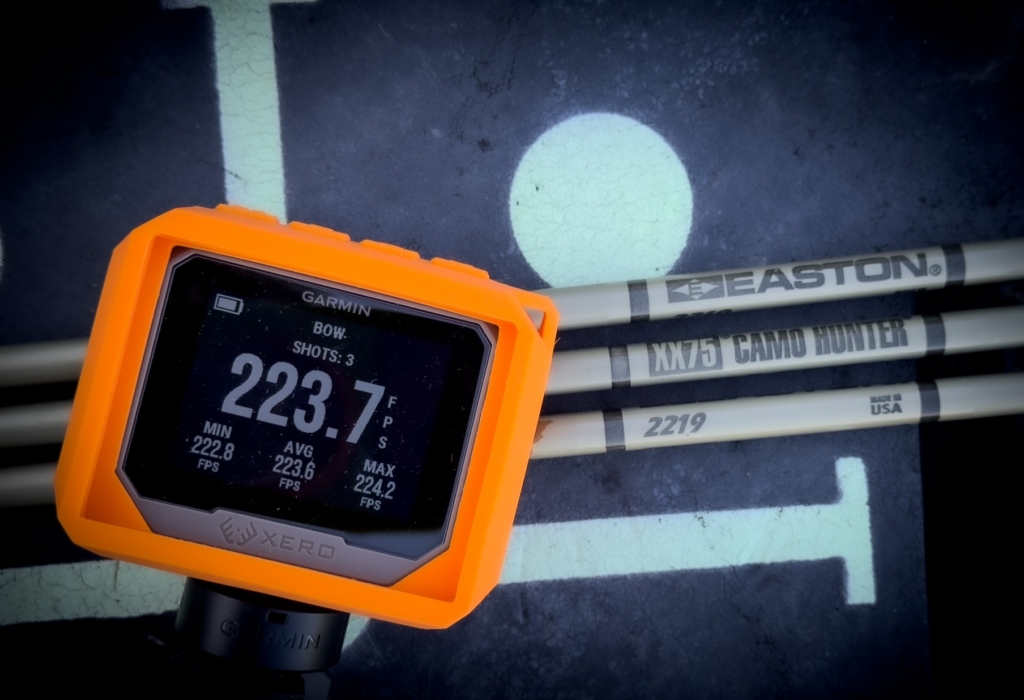
That’s why many experienced elk hunters willingly sacrifice speed. They’re buying penetration. Whitetails aren’t elk, but the principle doesn’t change. Heavy arrows carry themselves differently. They don’t look dramatic on paper, but they do look impressive inside an animal.
Accuracy Doesn’t Care About Trends
Here’s something manufacturers don’t advertise enough: Accuracy isn’t glamorous. It doesn’t make flashy commercials, and nobody fist-bumps because an arrow landed exactly where the previous one did.
But that’s the entire game.
An Easton XX75 has always excelled at repeatability. Modern bows only amplify that strength. Today’s rests are more forgiving, and strings are better. Modern-day broadheads have tighter tolerances, sights have improved dramatically, and if you shoot a crossbow, optic technology is incredible.
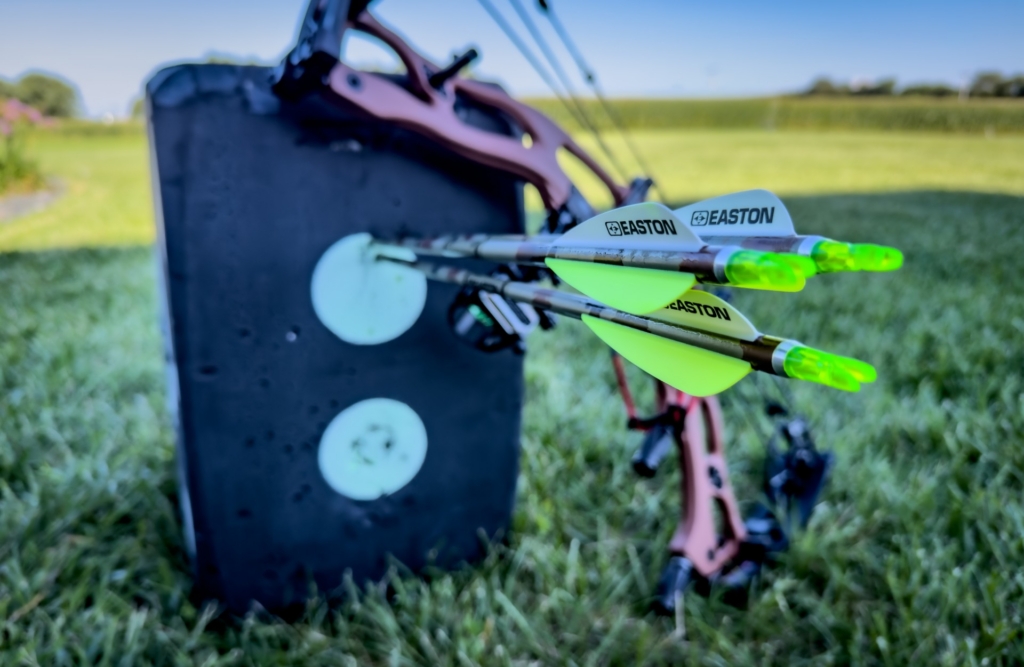
My question: Why wouldn’t an already accurate aluminum shaft become even better? Sometimes old technology doesn’t become obsolete. Instead, it waits for better companions.
Let’s Talk Dollars
This is where my Pennsylvania Dutch ancestry starts smiling. Have you priced premium carbon arrows lately?
Dang.
Some cost enough that you almost expect a financial advisor to deliver them. A dozen premium shafts can rival a truck payment. Meanwhile, aluminum still offers remarkable performance at a price that doesn’t require explaining to your spouse.
That’s important, especially for new hunters. Archery doesn’t need more financial barriers. It needs more opportunities. If someone can buy a dozen precision aluminum arrows for substantially less than comparable premium carbon shafts, that’s money left for quality broadheads, range time, or another tank of gas to scout public land. None of those are bad investments.
Modern Bows Changed the Conversation
The Hoyt RX-10 is a perfect example of a modern-day compound bow. It’s efficient and stable. It draws smoothly and produces virtually no hand shock or post-shot noise. Pair the RX-10 or any of today’s top-end compound bows with an aluminum hunting arrow, and you end up with a surprisingly refined system.
The arrow isn’t trying to win a speed contest. The goal is to have an arrow that flies quietly and kills deer cleanly. I’m not trying to impress my buddies. I want a bow/arrow combo that fills my freezer on the regular.
The Myth of “Outdated”
Some hunters dismiss aluminum because it bends. They’re right. Sometimes it does.
Here’s my question: Would you rather know your arrow is damaged, or wonder if it is?
Carbon is incredibly durable, but when it finally gives up, internal damage isn’t always obvious. Aluminum tends to be honest. If it isn’t straight anymore, it’ll tell you. Something is refreshing about equipment that doesn’t hide its problems. Maybe I’ve just become cranky enough to appreciate honesty wherever I find it.
A Different Kind of Confidence
Confidence doesn’t always come from having the newest equipment. Sometimes it comes from understanding why something works. The XX75 earned its reputation honestly. It wasn’t internet famous. It became hunting famous. Generation after generation trusted it because it delivered exactly what hunters wanted. The arrow promised reliable flight, repeatable accuracy, and dependable penetration. Those qualities haven’t become less important. If anything, they’ve become more valuable.
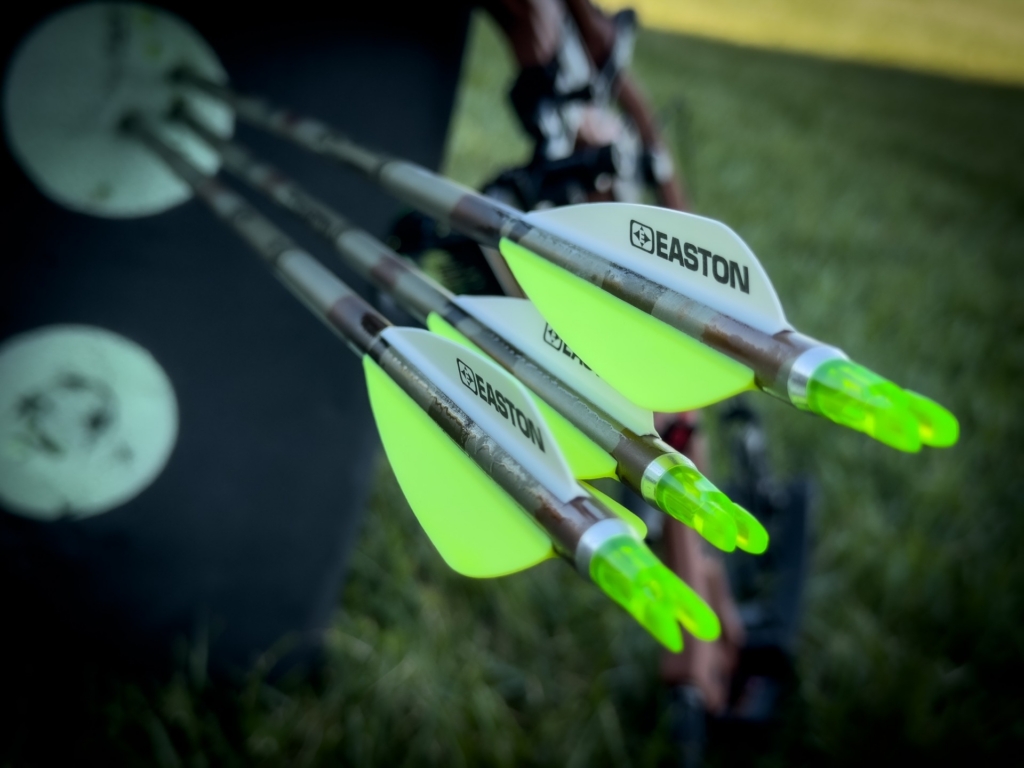
Maybe It’s Time
I’m not suggesting everyone abandon carbon arrows. That would be about as sensible as throwing away a perfectly good rifle because Grandpa’s lever gun still shoots straight. However, I do think aluminum deserves another look. Not because we’re nostalgic but because we’re smarter. Modern bows have unlocked performance that aluminum never had the chance to showcase decades ago. Today’s compounds are quieter, more efficient, and more forgiving. Pair those advancements with one of the most consistent arrow materials ever developed, and the result isn’t a step backward. It’s a reminder. Sometimes progress isn’t inventing something new. Sometimes it’s rediscovering something we were too quick to leave behind.
I’ve learned that lesson more than once over fifty seasons in the deer woods. Usually while sitting in my ladder stand, sipping coffee from a dented thermos, wondering why everyone thinks the newest gadget is automatically the best one. The deer certainly haven’t changed. Gravity still works. Broadheads still need to pass through lungs, and accuracy has never gone out of style. Maybe that’s why the old Easton XX75 still occupies a warm corner of my bow room. Not because it’s old; because it still knows exactly what it’s supposed to do.
And, if I’m being honest, so do I.