If you’re new to elk hunting, these veteran tips will help you punch more tags and experience less frustration. Here we go!
Search the web for elk hunting tips, and you’ll see it’s saturated with advice on calling, fancy gear, and electronics that never existed a short time ago. Truth is, the sounds hunters make to fool bulls are the same as they were 30 years ago, just with different names. And you don’t need to break the bank with the fanciest gear or download apps to kill a bull.
This marks my 50th year of hunting elk. I’ve seen a lot of fads come and go. I’ve watched the pendulum swing from hunters wanting to put meat in the freezer to desiring trophy headgear to simply seeking the experience of what it means to hunt elk out West. No matter what your desires, if you’re new to elk hunting, these are the things you really need to know.
Work For It
Elk hunting is hard. The better shape you’re in, the greater the odds of filling a tag. Of all the hunting camps I’ve been in over the decades, the number one reason elk tags go unfilled is that hunters aren’t in good enough shape to hike to where elk live. You don’t have to crunch steroids and run 100-mile marathons to kill elk, but you do need to be in shape. The more fit you are, the better.
Cardio and flexibility are essential, and having strong muscles and low body fat will help. If you think you’re in good elk hunting shape, work harder to reach the next level. Dedicate yourself to a disciplined weightlifting routine, cardio workouts, stretching, and eating right. If you do these things, you’ll gain the advantage in the elk woods.
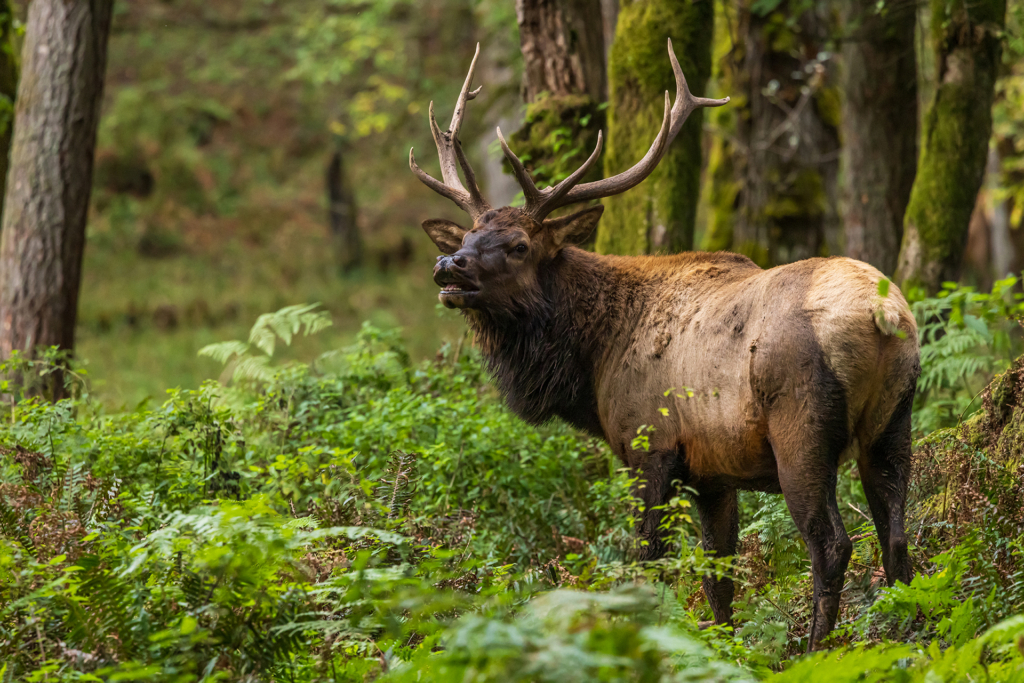
Public land elk are harder to kill than they were when I was a kid. Predators like wolves, bears, and cougars take their toll. Wildfires and winter storms decimate elk herds, often forcing them to move out of an area. Hunting pressure is increasing, and with all the different seasons now available, elk are being chased from August through November. In some locales, elk are hunted well into January.
More elk are residing on private lands where food is plentiful, and predators are sparse. Plus, you have a better chance of hitting a jackpot in Vegas than drawing a premium elk tag in many states. The only way to overcome these obstacles is to be in shape, work hard, hunt from daylight to dark, and not give up. You can catch up on rest when the hunt is over.
The Mental Game
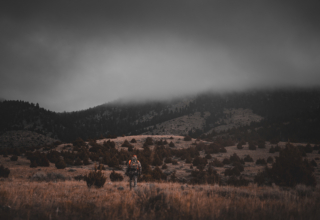
Many first-time hunters are mentally defeated the instant they lay eyes on elk country. From the Rocky Mountains to the Cascades, even the Coast Range of the Pacific, elk country is daunting. Steep, densely foliated land will mentally whip you if you’re not prepared.
When hunting a place for the first time, study the land and predict where elk will be. Then, focus on reaching and hunting those specific places. Gazing at a massive mountain range can mentally defeat you but focus on side-hilling your way to a flat or ravine where elk are likely to be, and suddenly the task becomes manageable.
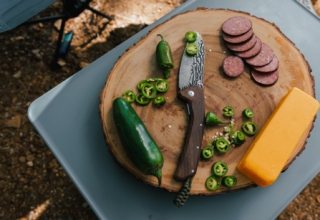
Eating and staying hydrated are key to staying mentally and physically going during a hunt. In my daypack, you’ll often find two peanut butter and honey sandwiches, two hard-boiled eggs, a baked potato, an apple, a couple of energy bars, electrolyte packets, and water. A quality water-filtration system will ensure you stay hydrated. I’ve been liking my new Sawyer Squeeze Water Filtration System on summer scouting missions and will be using it this elk season. I’m even taking it to Alaska on a moose hunt.
While water is important, it’s not the end-all if you have to go without it much of the day. Looking back to those high school and college football days where we had daily doubles in 100-plus degree temperatures for days on end, with one water break every couple of hours, motivates me to toughen up and keep going. Elk hunting is demanding and can mentally defeat you if you’re not prepared.
Rest, Hunt, Rest
Rarely is there a need to return to camp when hunting elk. Why so many hunters hike a few hours in the morning, then backtrack to camp to nap, eat, then head afield for an afternoon hunt is beyond me. Elk hunting is about covering ground and getting to where elk are. Waste time in camp, or backtracking, and you’re not getting the most from your hunt.
Start early in the morning, hunt, snack along the way, take a 15-minute power nap, and keep moving. If it’s hot and elk are shut down in the middle of the day, keep covering ground to learn all you can about the terrain you’re hunting. Look for trails, fresh droppings, wallows, food and water. Locate a midday bedding area, and you might fill a tag. The more signs you discover, the better the odds of killing a bull.
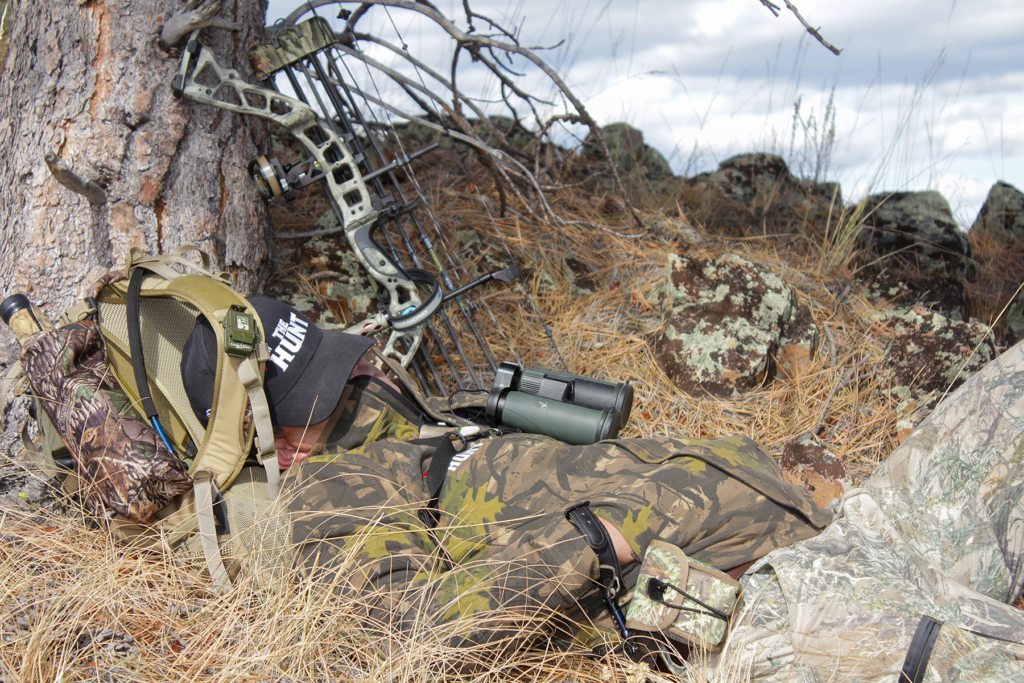
Elk are highly crepuscular. Get into elk in the waning minutes of daylight, and they can be easy to kill. But this also means getting back to camp well after dark, then getting up early to do it all over again. Taking a couple naps a day will go a long way in rejuvenating your body and mind. A 12- to 18-minute snooze under a pine tree is often all that’s needed to recharge your body. You can and should skip the 2-hour nap in the tent. When elk hunting, every minute is valuable.
The Breakdown & Pack Out
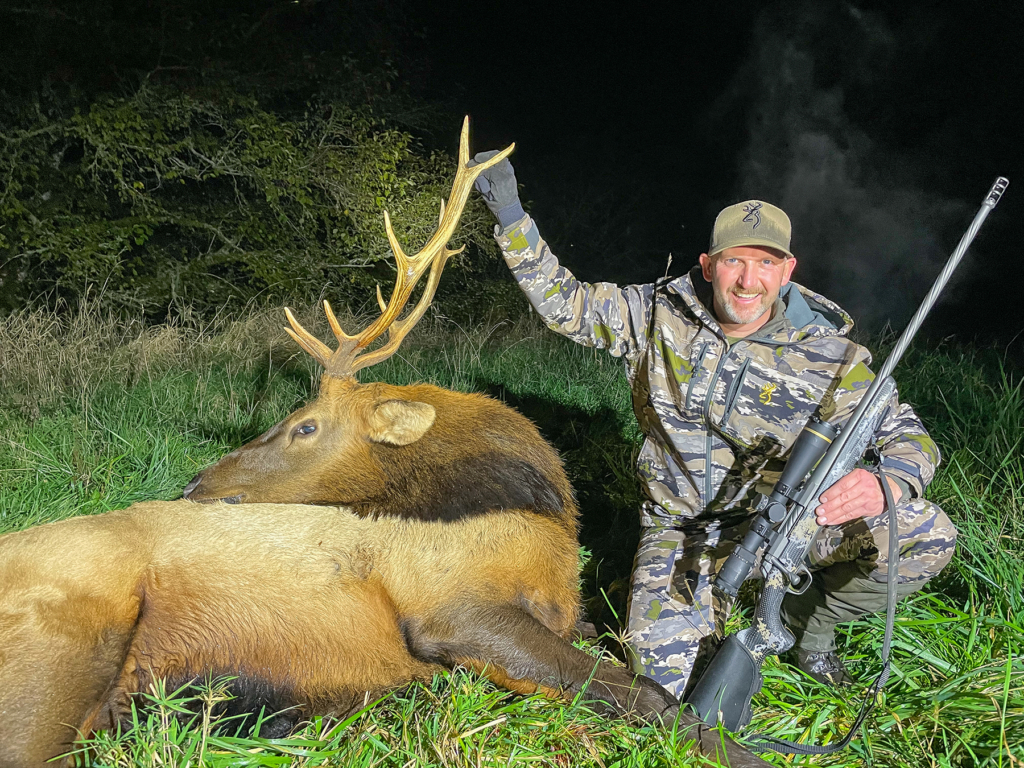
A lot of elk are killed moments before dark. If you’re not comfortable working in the dark, don’t shoot. Never gut an elk; leave the hide on and return the next day to resume butchering and packing. Elk hides and their large muscle groups, retain a lot of heat, which can cause meat to spoil if it isn’t cooled quickly. If not skinned and quartered so the meat can start cooling, it will spoil, even in the dead of winter when their pelage is at its peak insulating value. Thick hides hold in more heat.
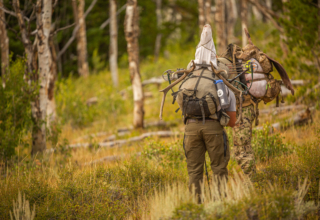
Proper field care is an essential part of every big-game hunt and requires pre-hunt planning. Have knives, a sharpener, pack, game bags, rope, and headlamps with extra batteries, ready to go. Quickly breaking down an animal not only prevents spoilage and overly gamey flavors, but it also optimizes the end product, which is why we hunt. Nothing beats elk meat.
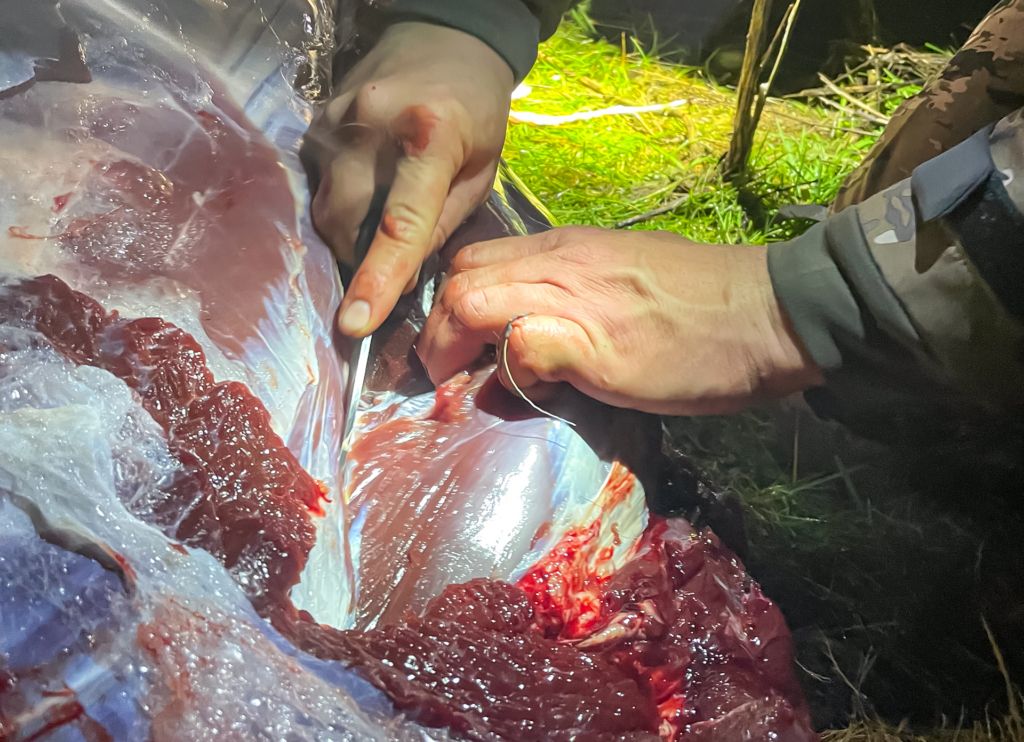
The most efficient way I’ve found to break down a big game animal is with the gutless method. The gutless method keeps all internal organs inside the body cavity, and it’s very clean. No saws are needed. A 4-inch bladed knife and a steel are all you need to break down any North American big game animal, including elk.
Be sure to have a pack, game bags, and rope ready. At the very least, quarter an elk and get all the meat into breathable game bags, hanging overnight so air can circulate and cool it down. If elk hunting in grizzly bear country, take enough rope to hoist every game bag into the trees, out of bear reach.
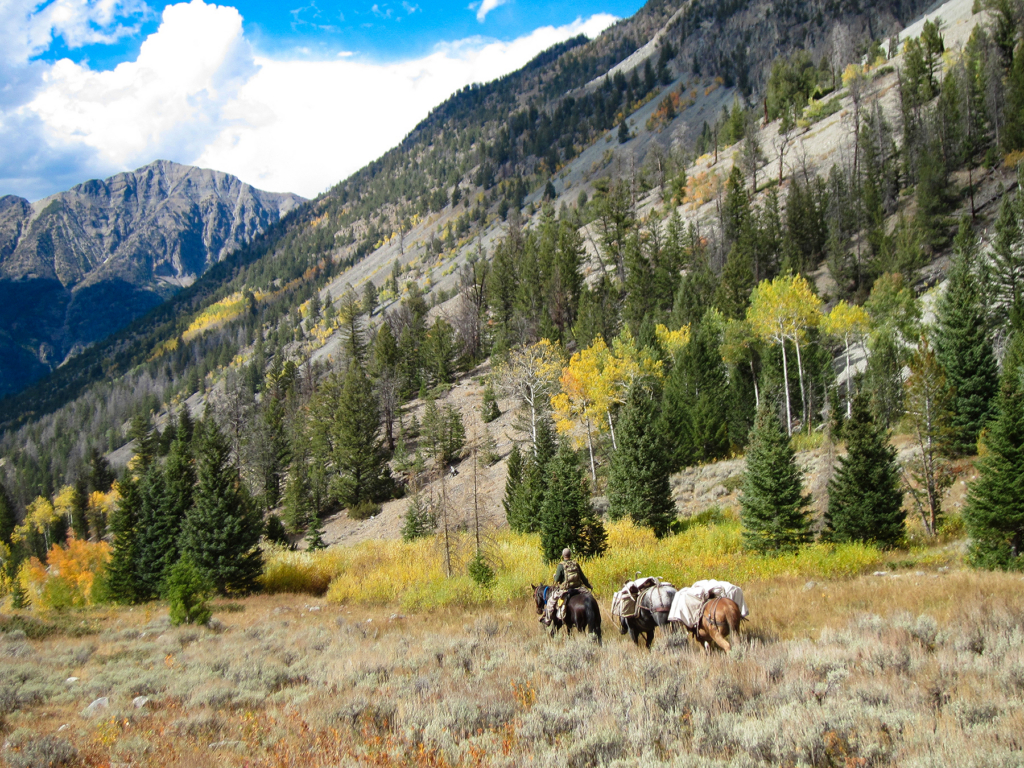
Pack two headlamps, along with extra batteries. Remove the batteries from the lamps. This way, if the switch accidentally gets turned on in the pack, it won’t drain the batteries. I learned this the hard way. Having an extra lamp, in case yours goes bad or a buddy forgets his, is smart. They’re lightweight, take up little space, and are valuable for efficient breakdowns in the dark, as well as navigating.
The Experience
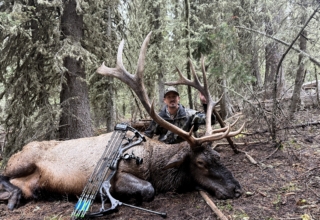
If you’re new to elk hunting, don’t get caught up in the big bull game. Elk meat is some of the best-eating game there is. Whether a bull carries four points or six, has 200 inches of antler or 350, should not be the focus of a new elk hunter. If a shot at a big bull presents itself, great. If not, indulge yourself in the experience of what it means to hunt elk.
Strive to reach places fellow hunters can’t. Study every inch of ground along the way and pay attention to discrete signs. Every day you spend in the woods should be a valuable learning experience. After spending years hunting one place, you’ll intimately become familiar with it. It’s time afield, working hard and paying attention that will make you a better elk hunter.
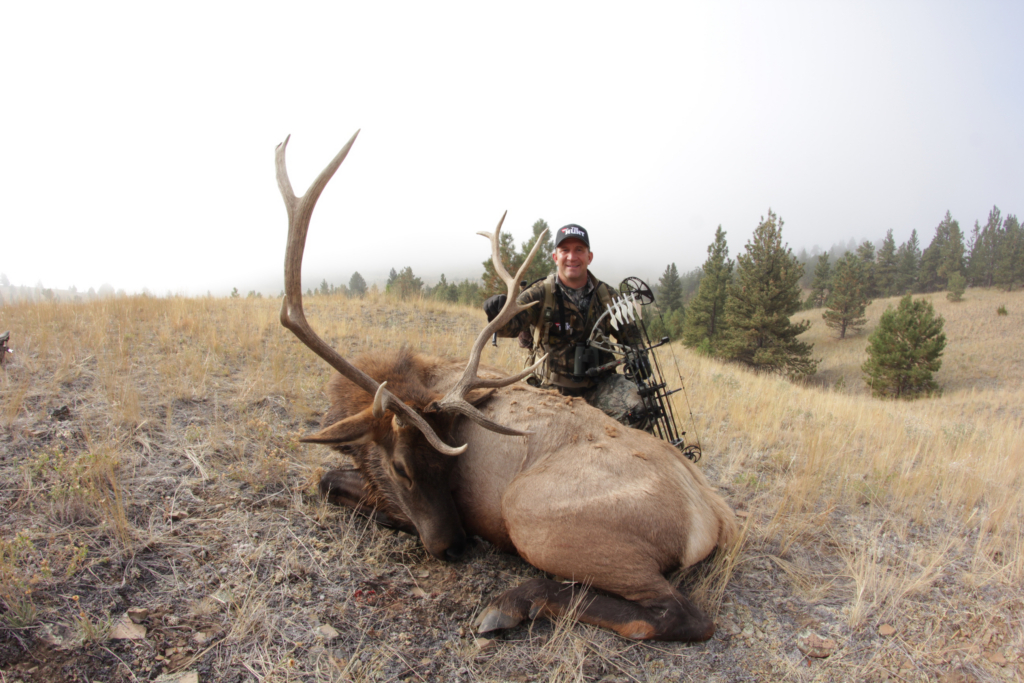
When your understanding of and appreciation for elk hits a higher level, you’ll know it. That’s when you can try to fulfill the desire to kill a big bull. I’ve been hunting some elk spots for over 30 years. Some of the areas have seen elk come and go. Some have consistently held elk. Others have been void of elk due to wolves. Some have seen elk leave because ice storms destroyed calving grounds and wildfires ravaged feeding areas.
When on the hunt, enjoy the unmatched beauty of the elk woods. Take in their sweet smells and learn their ways. Link bedding areas to feeding locations, decipher primary trails, and look for areas where rubs have occurred on trees for the past decade. That’s how you build elk hunting knowledge, through experience. When it comes to hunting elk, the learning never stops.
Note: For copies of Scott Haugen’s latest book, just out, Elk Hunting The West~The Experience, visit https://www.amazon.com/dp/B0HBPQFTMQ